art-culture
One by One: The Art of Repetition and Recovery
One by One: The Art of Repetition and Recovery
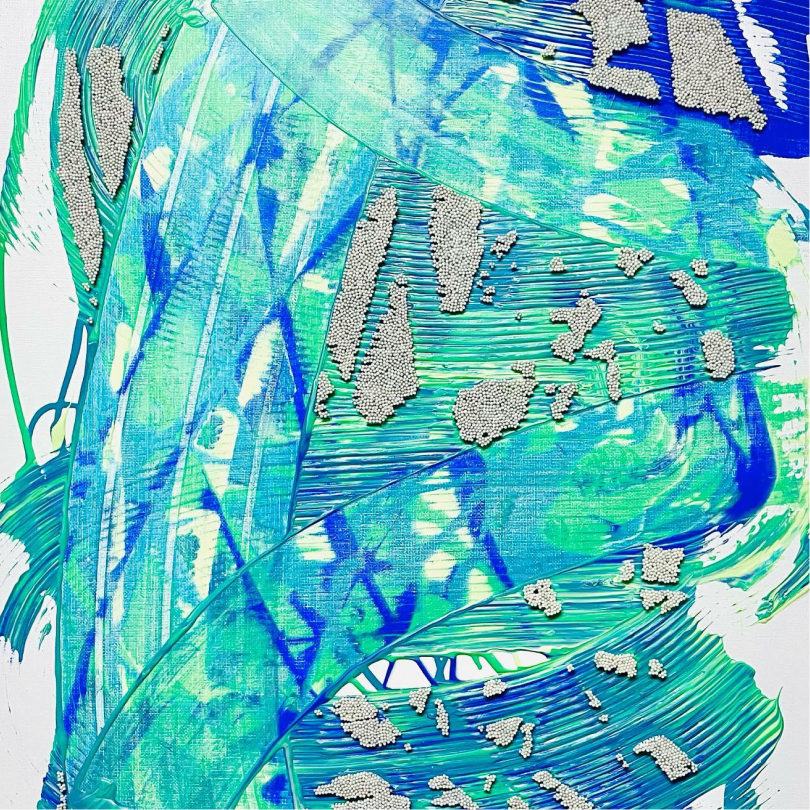
One Pin at a Time, One Heart at a Time: The Healing Repetition of Artist Jiyong
Tens of thousands of pins, pressed into place one by one. But what Jiyong builds isn’t just an image — it’s a collection of emotions.
Using something as delicate and sharp as sewing pins, he explores the language of wounds and recovery. The slow, careful repetition of each gesture becomes a way to visualize healing — and give form to longing, pain, and quiet hope.
A Record of Pain, and Growing Through It
It all began in 2013, when Jiyong found himself absentmindedly pressing and pulling pins from a corkboard in a studio. That repetitive motion, he realized, left behind tiny scars — much like emotional wounds caused by others. But those marks, layered over time, became a diary of inner growth.
The act of pinning is slow and painful. Calluses form, joints ache — but he continues, driven by something deeper. And when a piece finally comes together, he says simply: “That’s where I see my growth.”
“Look Beyond the Surface” — The Inner Heap Series
In his Inner Heap series, Jiyong creates translucent self-portraits shaped like glass dolls. Clear eyes, see-through torsos — fragile, exposed.
He strips away the body, leaving only the eyes. No distractions. No room for misinterpretation. Inside, bursts of color fill the hollow space — a visual gateway into the self, revealing the “real me” beyond society’s assumptions.
“Am I Truly Happy Right Now?”
This is the question at the core of Jiyong’s recent work. It marks a turning point — a shift from finding joy in others to seeking it within himself. His art is now a quiet journey back to that lost conversation with the self.
He asks himself, again and again: What makes me happy? And for each pin he places, he searches for the answer.
The Ocean’s Stillness, The Art of Slowing Down
One of Jiyong’s earliest and most peaceful memories is floating in the sea as a child — just lying still on the surface, weightless and warm. That moment of quiet carries into his Leisure series today.
Whales gliding through water, surfboards gently resting atop the waves — these are symbols of rest, of breath, of pause in a world that never stops.
“We’re all too rushed. Too worn out.
It’s okay to stop for a while.”
Filling the Gaps of Life
His latest body of work, the Filling series, is a meditation on the spaces we carry inside us. He spreads thick paint with a spatula, then presses pins into it — layering, covering, repeating. The empty spaces left in between represent parts of himself that are still growing — still incomplete.
And in that process, he asks himself:
Can I truly live a joyful life as an artist?
His answer?
Every pin he places is a quiet, unwavering yes.
The Silent Thread of Feeling
Jiyong doesn’t aim for grand messages. His art is about something smaller — and more honest. A gentle wish. A quiet hope. “If even one person feels peace through my work, that’s enough.”
Each pin holds a piece of that wish. And in the stillness of his repetitive act, we feel a connection — not just to the artist, but to our own hidden emotions.
A Question from YEATU
When was the last time you truly felt at rest?
If you’re still searching for that feeling —stand for a moment in front of Jiyong’s work.
In those thousands of pins, you’ll find a quiet, steady comfort —waiting for you.
Editor A’s Note
“Jiyong’s pins are traces of pain and language of healing — through quiet repetition, we come to understand ourselves a little more.”