investment-news
The Two Most Expensive Cars at Monterey Were Both Once Mocked or Rejected — Ferrari's Luce and McLaren's 'Pop Art' F1 GTR
The Two Most Expensive Cars at Monterey Were Both Once Mocked or Rejected — Ferrari's Luce and McLaren's 'Pop Art' F1 GTR
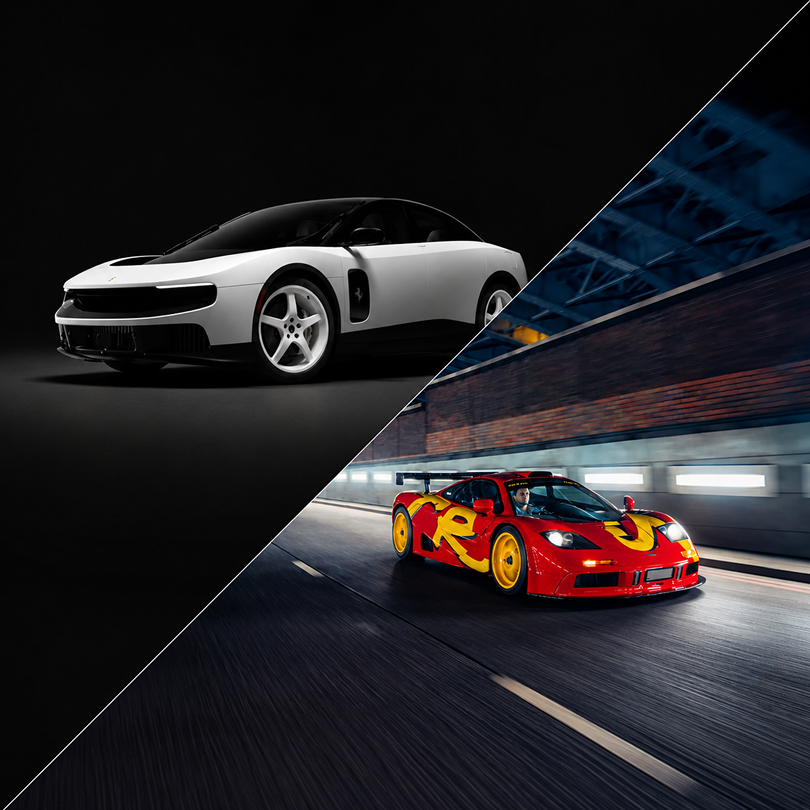
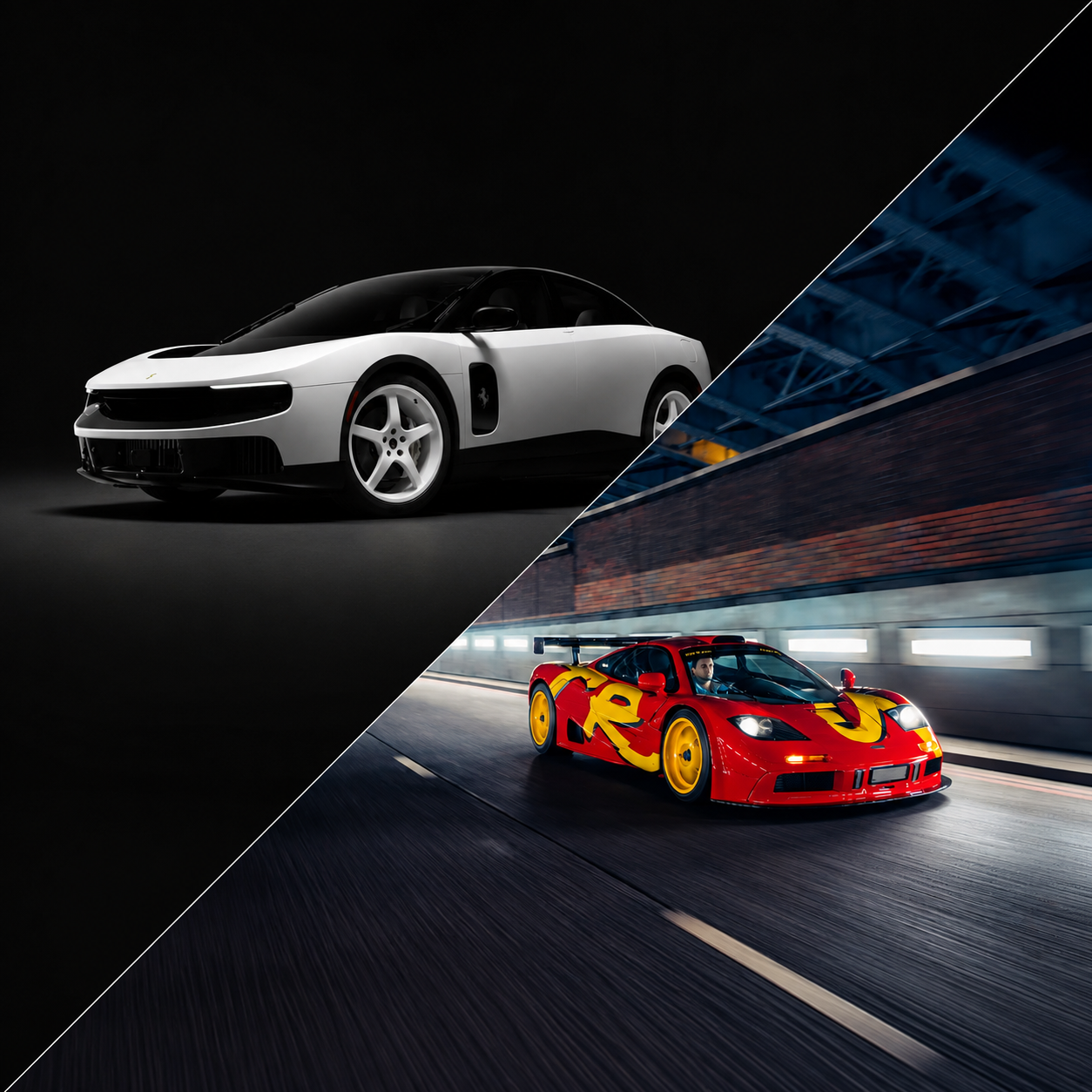
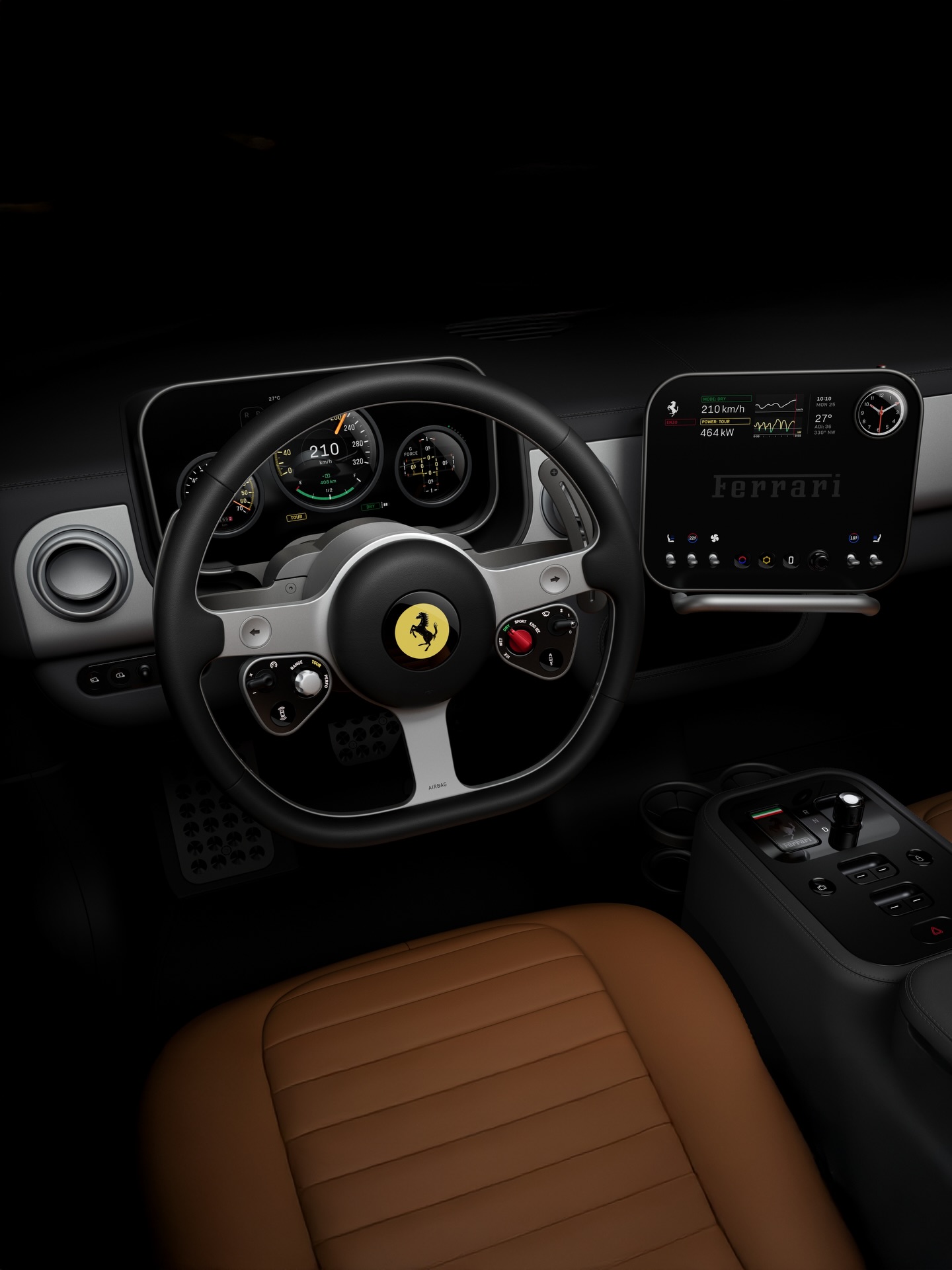
When Ferrari unveiled Luce, its first fully electric model, in May 2026, the internet was not kind. Gone was the low, aggressive stance Ferrari built its identity on; in its place, a tall, crossover-like silhouette and a minimalist cabin designed with LoveFrom, the studio led by Jony Ive and Marc Newson. Commenters piled on, comparing it — unfavorably — to a Nissan Leaf. The consensus: this wasn't a real Ferrari.
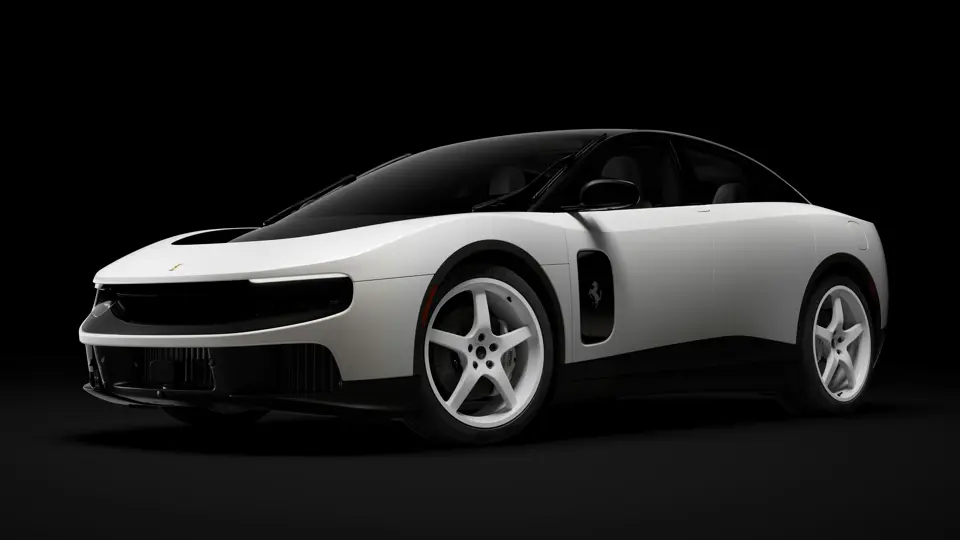
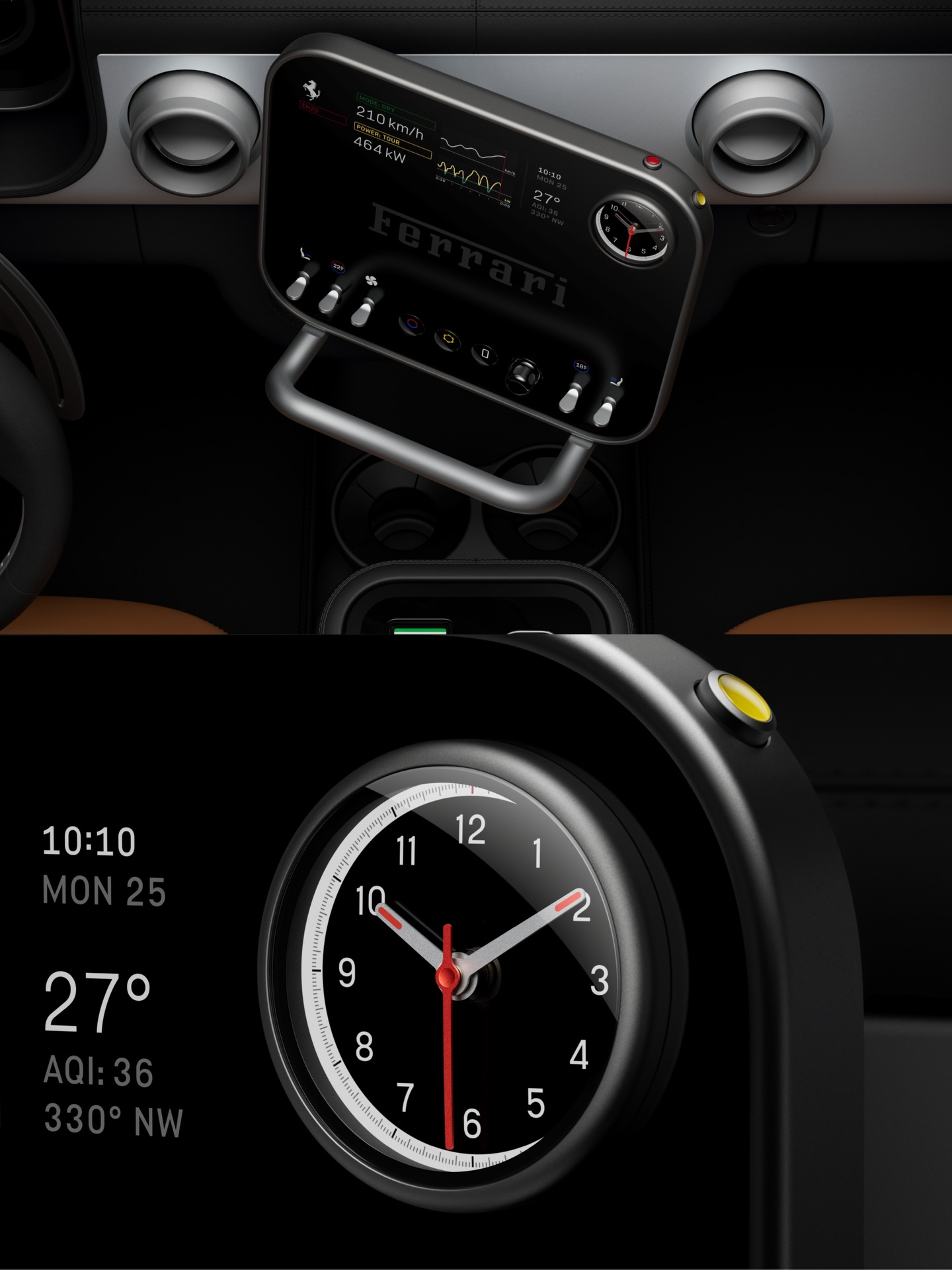
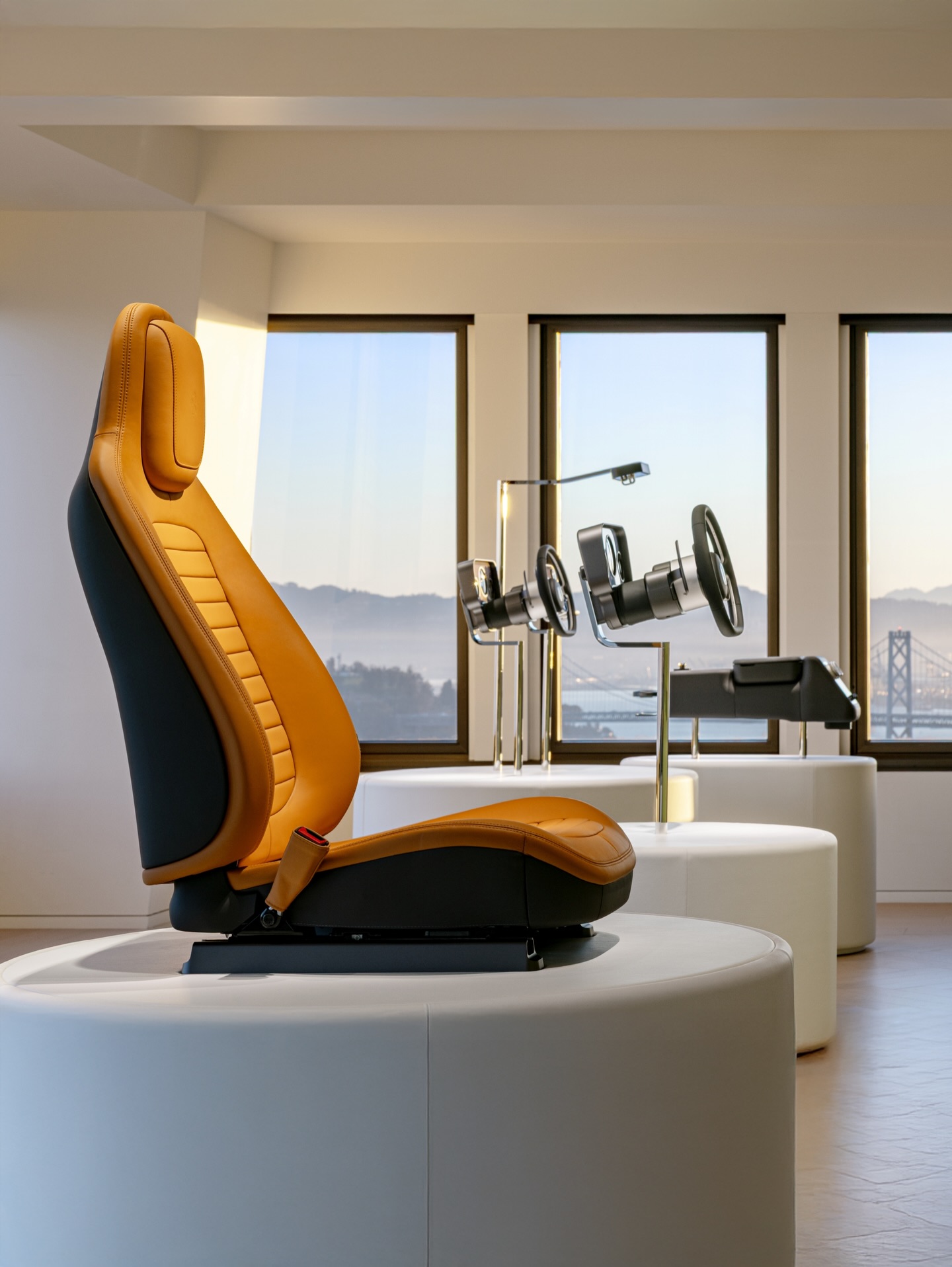
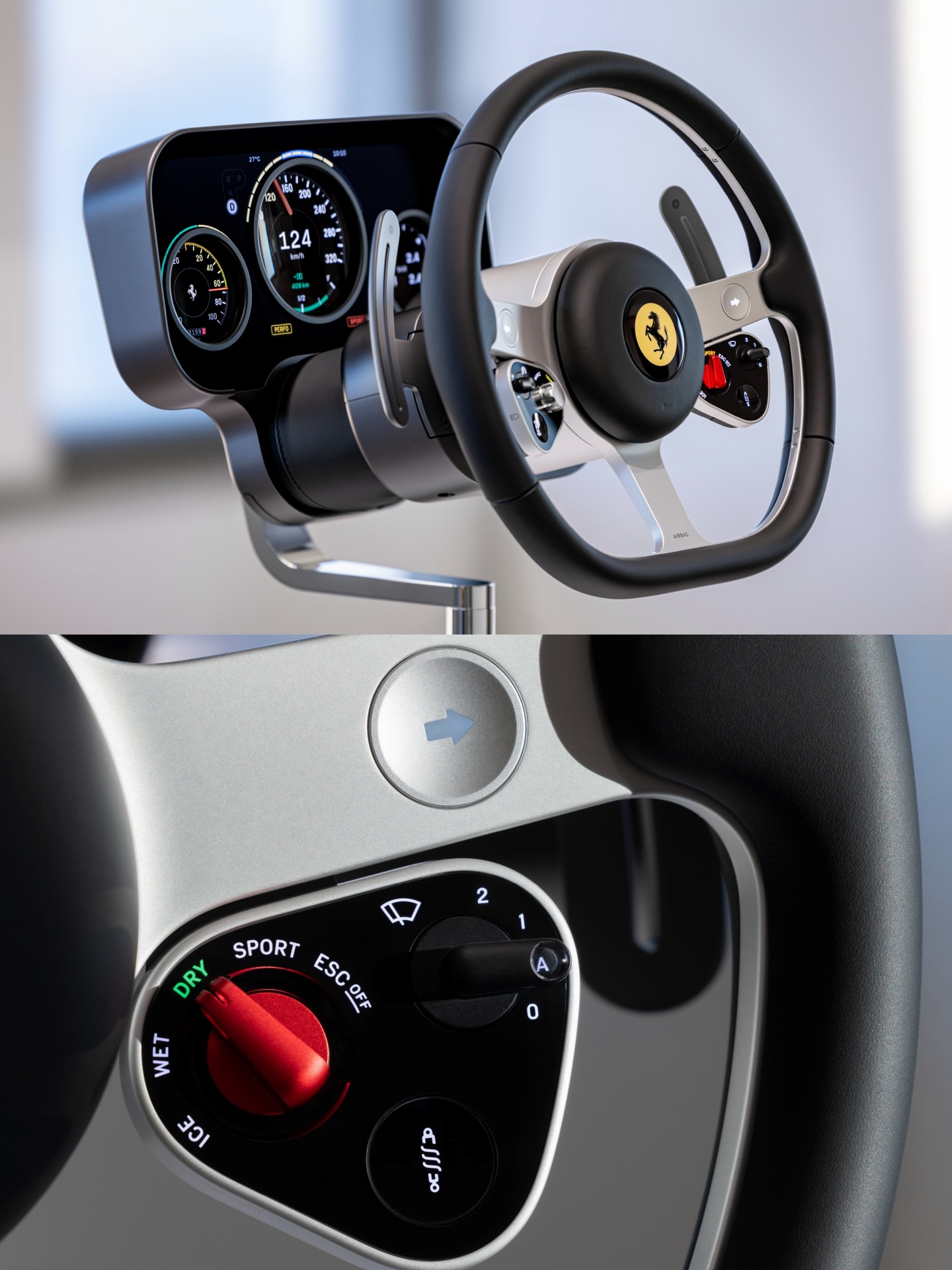
Then, on August 17, RM Sotheby's sold Chassis 0, the first production Luce, for $40 million at its Monterey auction — 36 times its $1.1 million estimate, and enough to eclipse the $38.5 million paid for a 1962 Ferrari 250 GTO earlier this year. Every dollar went to the Ferrari Foundation's education programs, and Sotheby's waived its buyer's premium entirely.
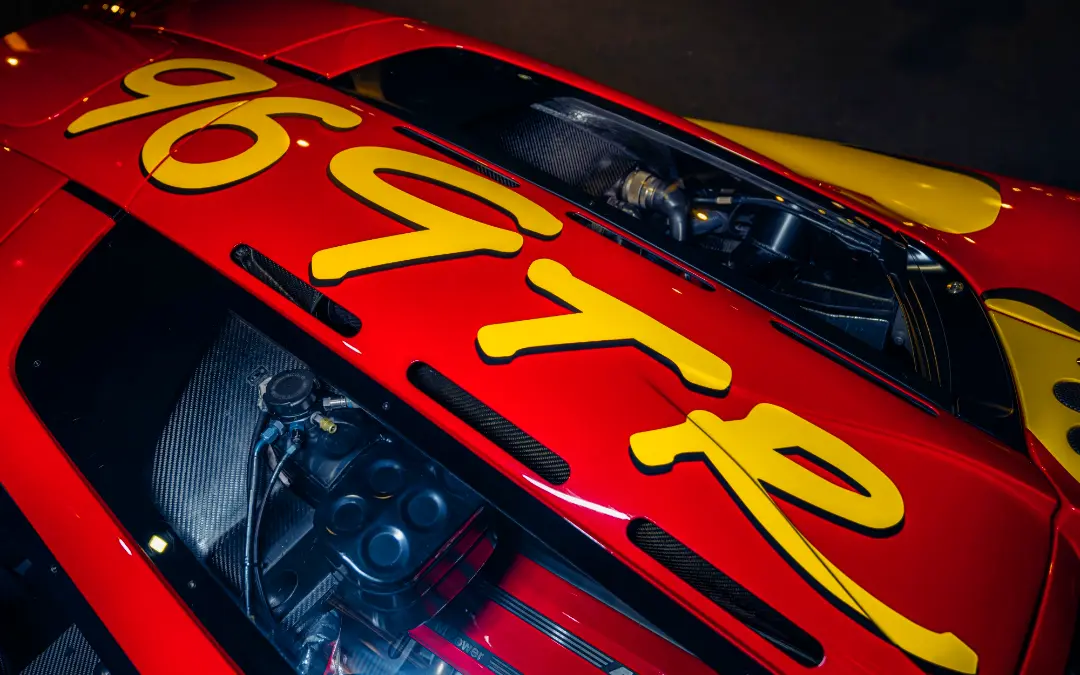
The same sale produced a second record. A 1996 McLaren F1 GTR nicknamed "The Pop Art F1" hammered at $34,655,000, setting a new marque record and becoming the most expensive British-built car ever sold at public auction. Its owner: Pink Floyd drummer Nick Mason, who bought the car in 1999 when it was insured for just $3 million — a prototype race car nobody particularly wanted at the time.
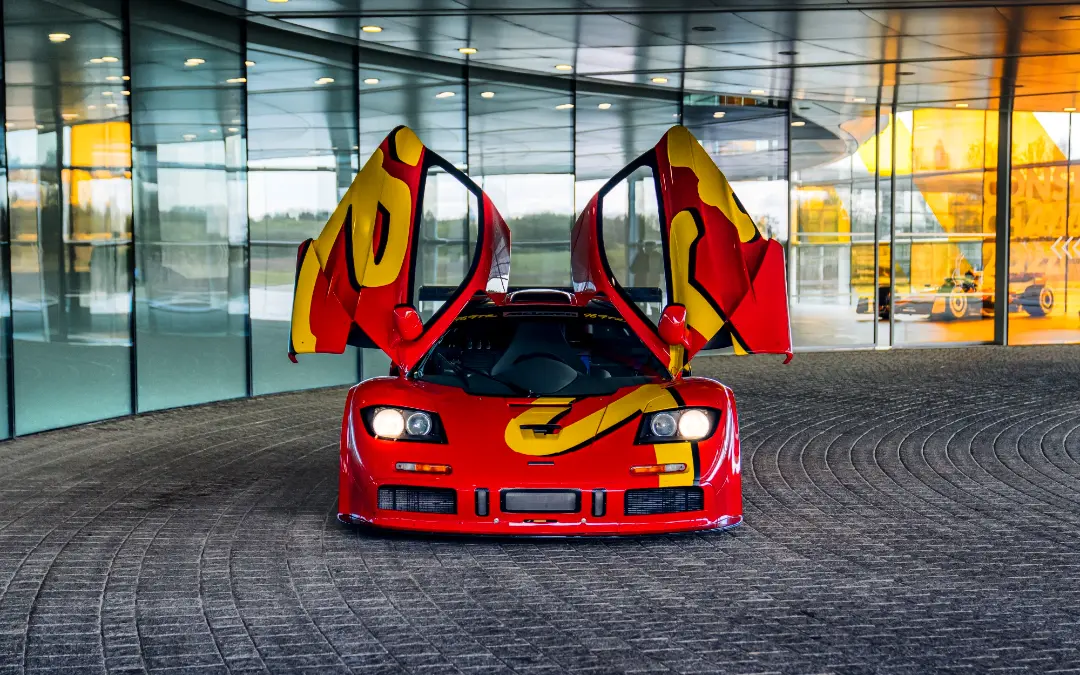
Mason didn't store it. He drove it. Hard. At the 2017 Goodwood Festival of Speed, he crashed it causing it to be repaired.
The car was restored. He kept it for 27 more years.
Zoom out and the pattern holds across the whole sale. RM Sotheby's Monterey moved $376 million total (89% sell-through across 194 lots), with Ferrari taking 7 of the top 10 spots. Days later, a Shelby Cobra Daytona Coupe sold for $42.9 million at the Gooding & Christie's sale, becoming the most expensive American car ever auctioned. Monterey Car Week overall closed at a record $747.9 million — this wasn't one outlier lot, it was a strong market across the board.
It's not a coincidence that the two headline results of the week were both, at some point, things nobody wanted. What auction results keep proving is that value doesn't accumulate for the people who show up once everyone agrees something is great — it accumulates for the ones who stayed with it while most people still doubted it. Mason absorbed 27 years of risk actually using a race car most collectors would have mothballed. Ferrari absorbed a wave of public mockery to bet that an EV could still be a halo car. Neither result started with applause. Both started with a handful of people who believed early.
Most of us will never be in a position to buy a $34 million McLaren. But the underlying experience — spotting value before anyone else agrees it's there, and staying with it — doesn't require that kind of capital. That's the premise behind YEATU: fractional investment in film, performance, and art shouldn't require billionaire-level capital to participate in a creator's early story. Anyone should be able to back work they believe in, before the rest of the world catches up.
Start investing in culture with YEATU →