art-culture
Anthony McCall: Works 1972 - 2020 Exhibition
Anthony McCall: Works 1972 - 2020 Exhibition
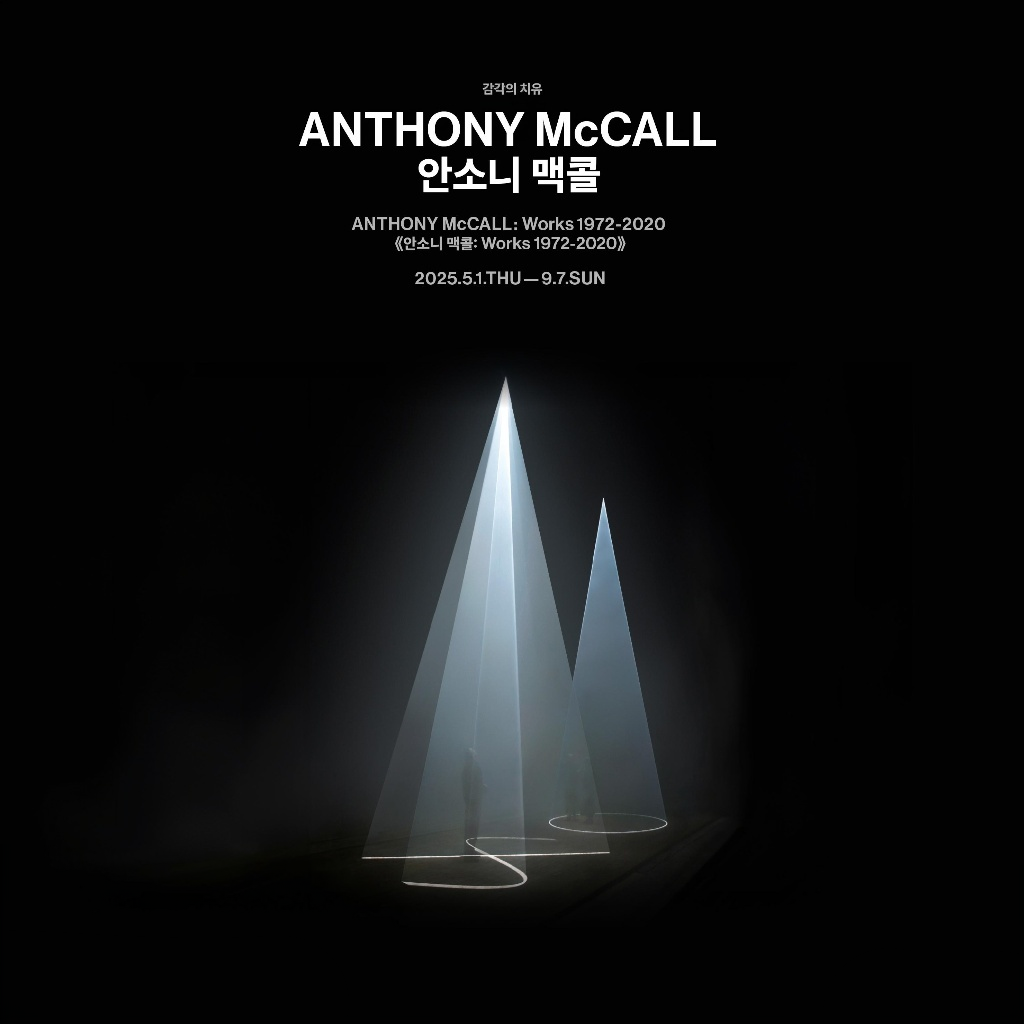
Sculpting Light in Time
Anthony McCall: Works 1972–2020 at Futura Seoul
Light disappears—but sensation lingers.
In the quiet haze of slowly forming light, we recover a sense of perception long dulled by the speed of modern life. Anthony McCall: Works 1972–2020 at Futura Seoul is not just a visual exhibition—it’s a re-education in how to truly see.
Exhibition Details
Title: Anthony McCall: Works 1972–2020
Dates: May 1, 2025 – September 7, 2025
Venue: Futura Seoul (61 Bukchon-ro, Jongno-gu, Seoul)
Hours: Tue–Fri, Sun 9:30–18:00 / Sat 9:30–20:00 / Closed on Mondays
Admission: ₩18,000 (₩14,400 via Naver booking)
Tickets: Book via Naver
Embodied Light
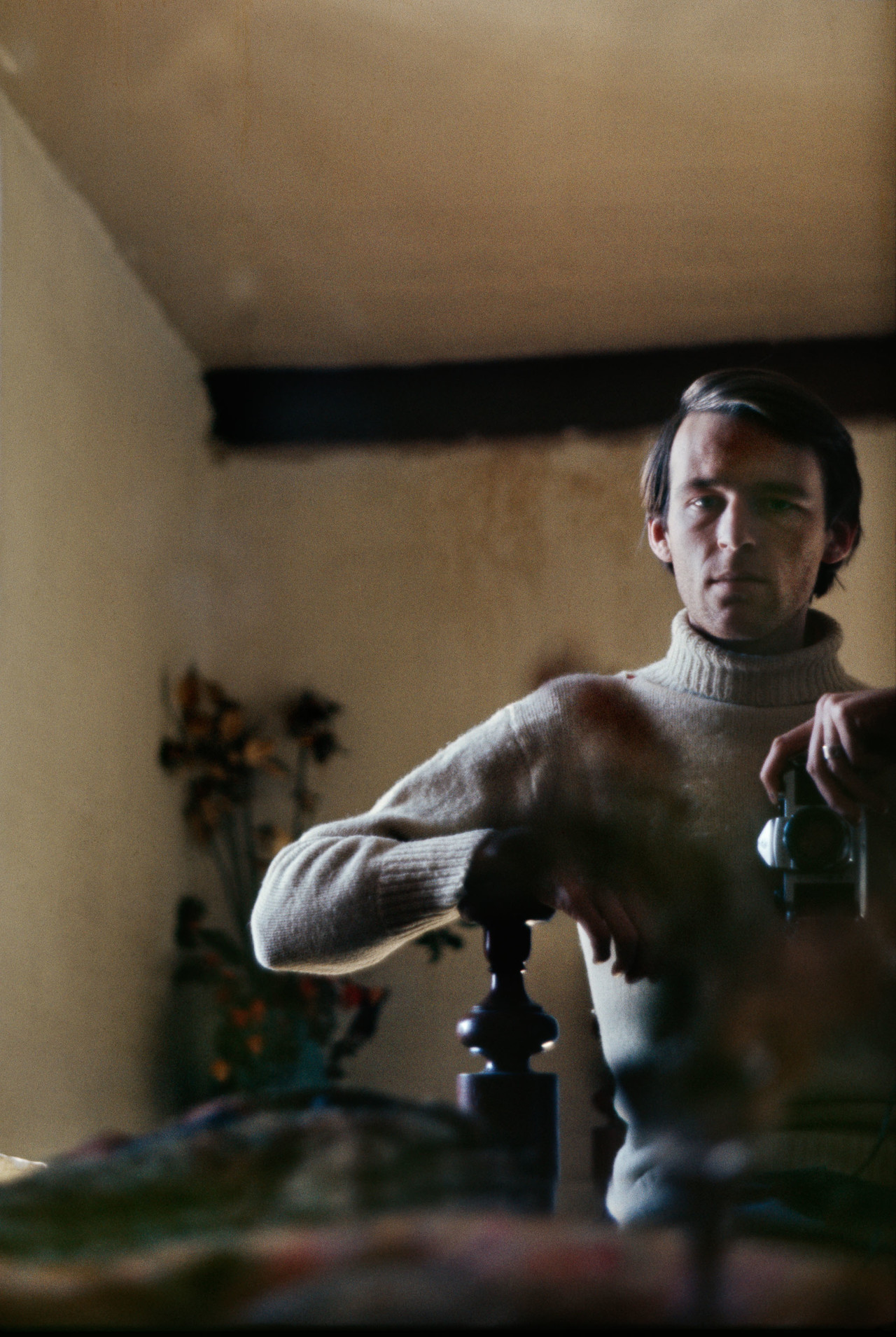
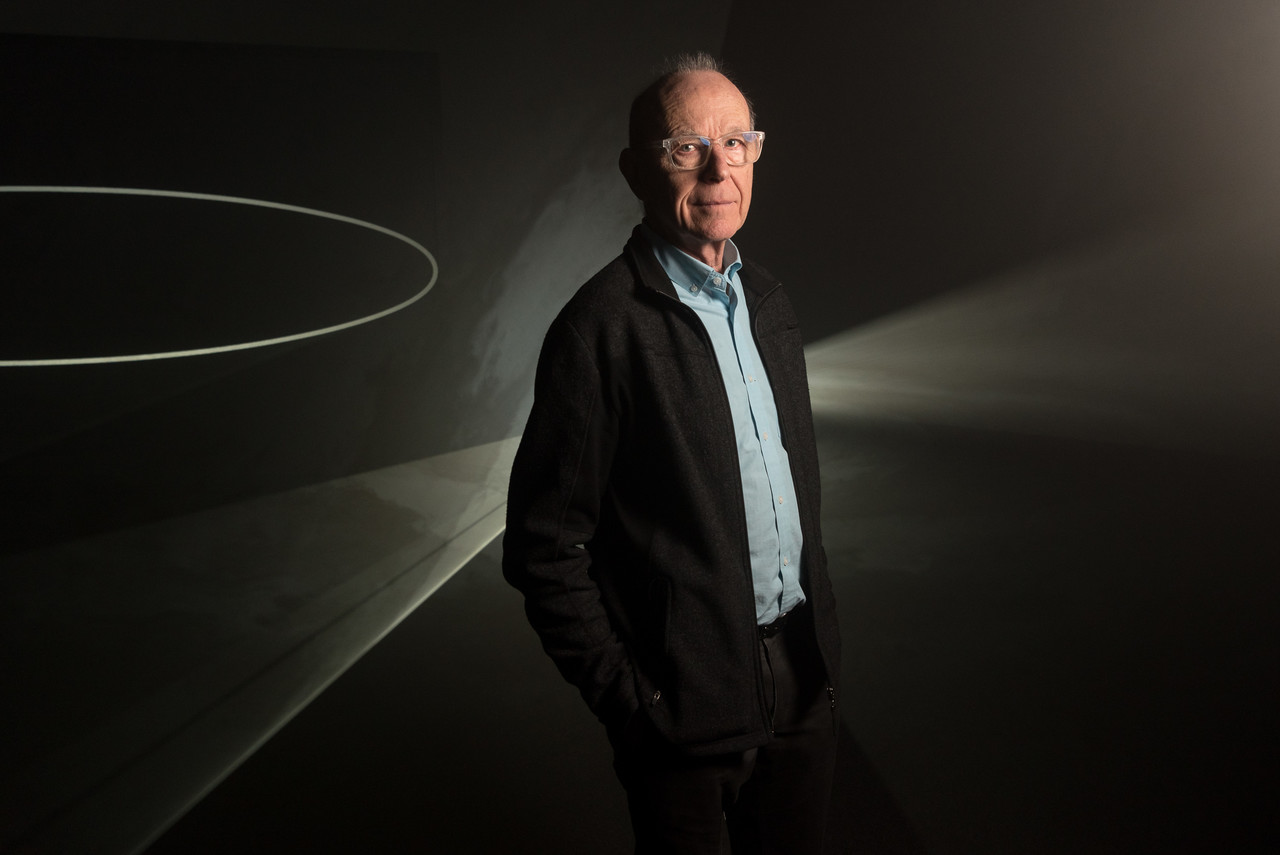
The pioneer of sculpting space with light. Born in 1946 in the UK and based in New York, Anthony McCall has spent over five decades radically reshaping the cinematic medium, deconstructing its conventions to forge a new visual language.
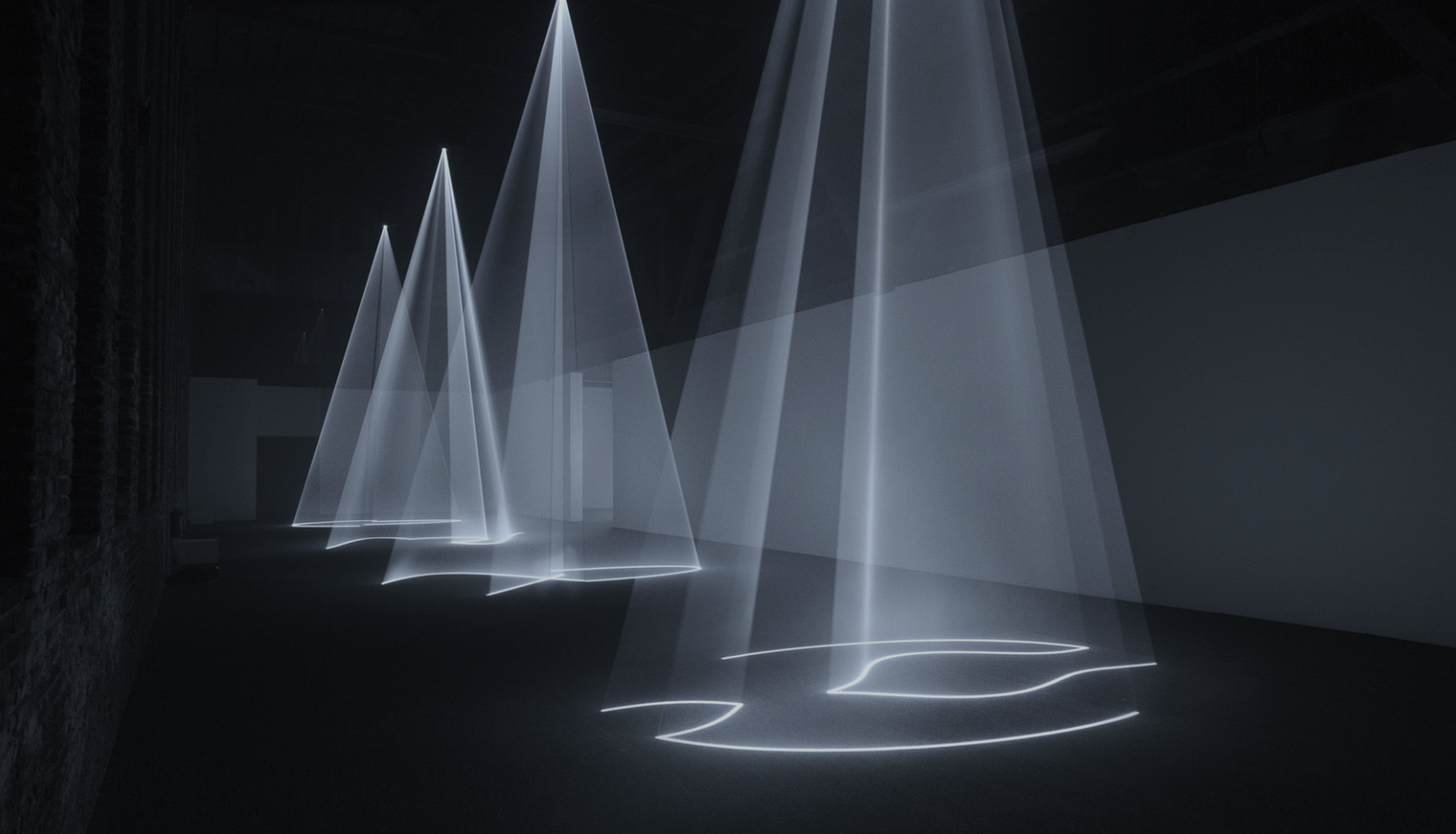
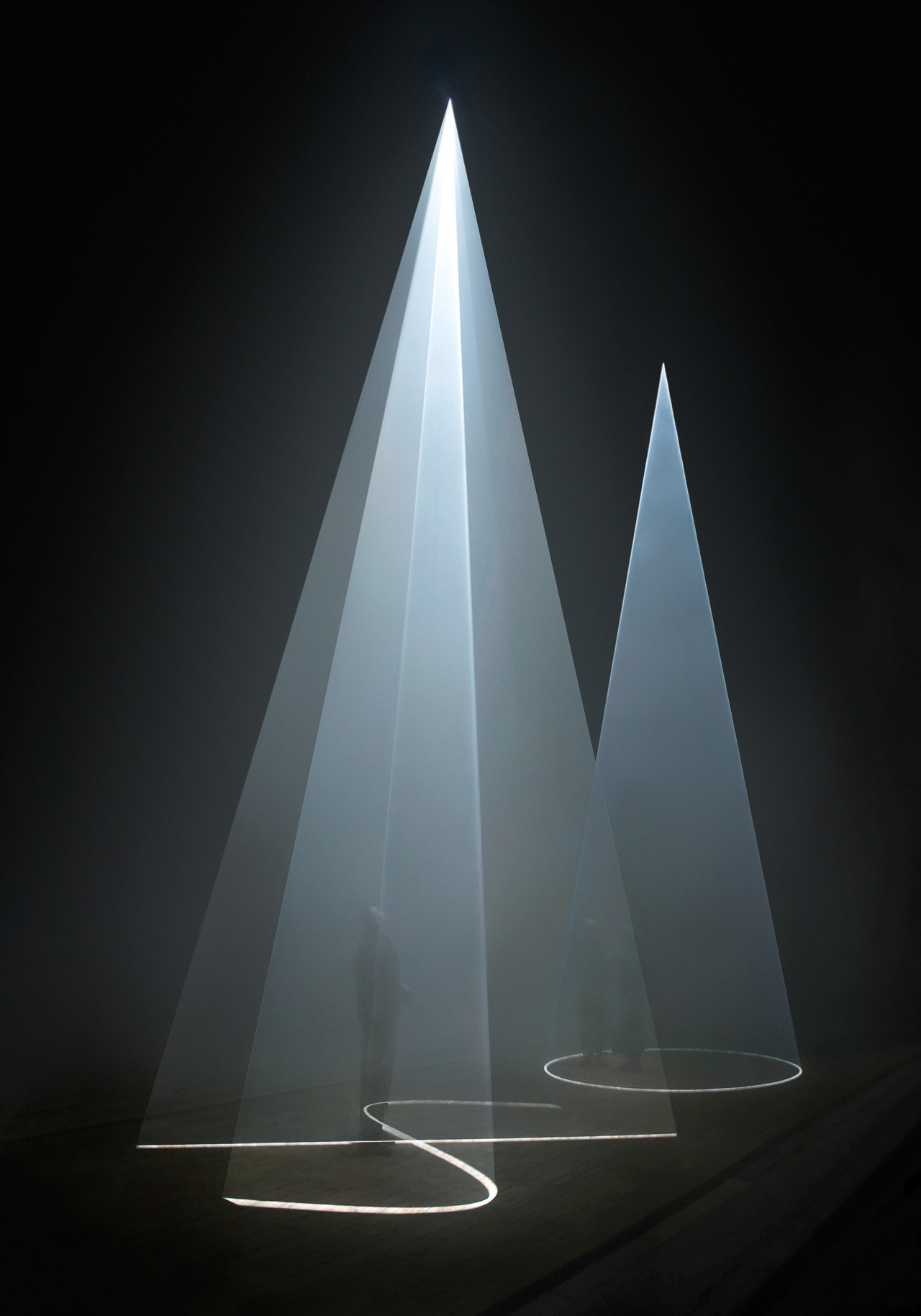
His defining Solid Light series uses projected light not to screen an image, but to carve three-dimensional volumes into darkened space—forms the viewer can literally walk through. These are not films to watch, but experiences to physically inhabit. The screen is gone; the audience is inside the artwork.
McCall is less interested in spectacle or technology than in perception and presence. By weaving together light, time, space, and the viewer’s body, Solid Light became a landmark in what came to be known as “Expanded Cinema”—a genre-defying movement that reimagined what moving image art could be.
From Line Describing a Cone to Skylight
When did light become sculpture?
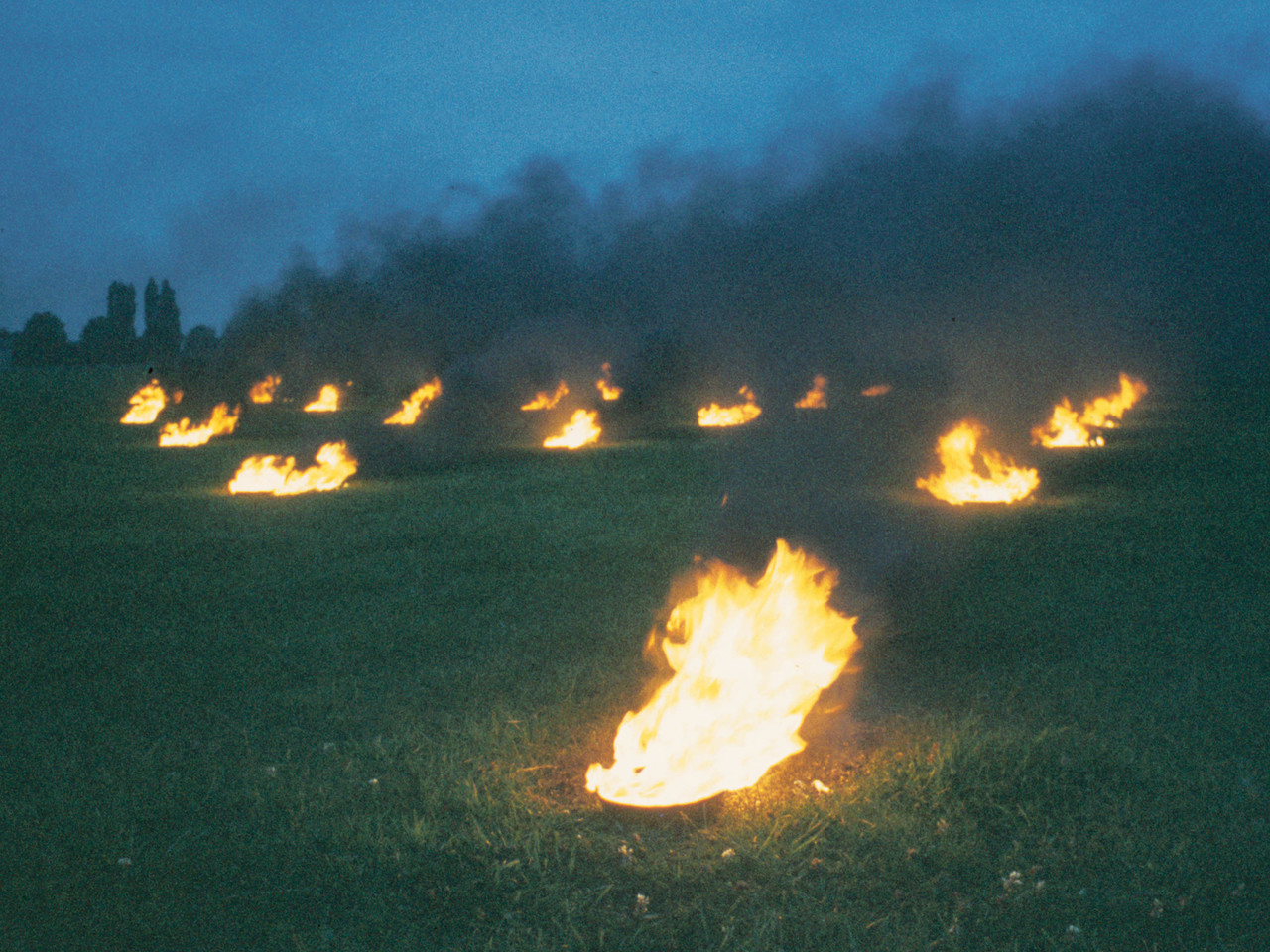
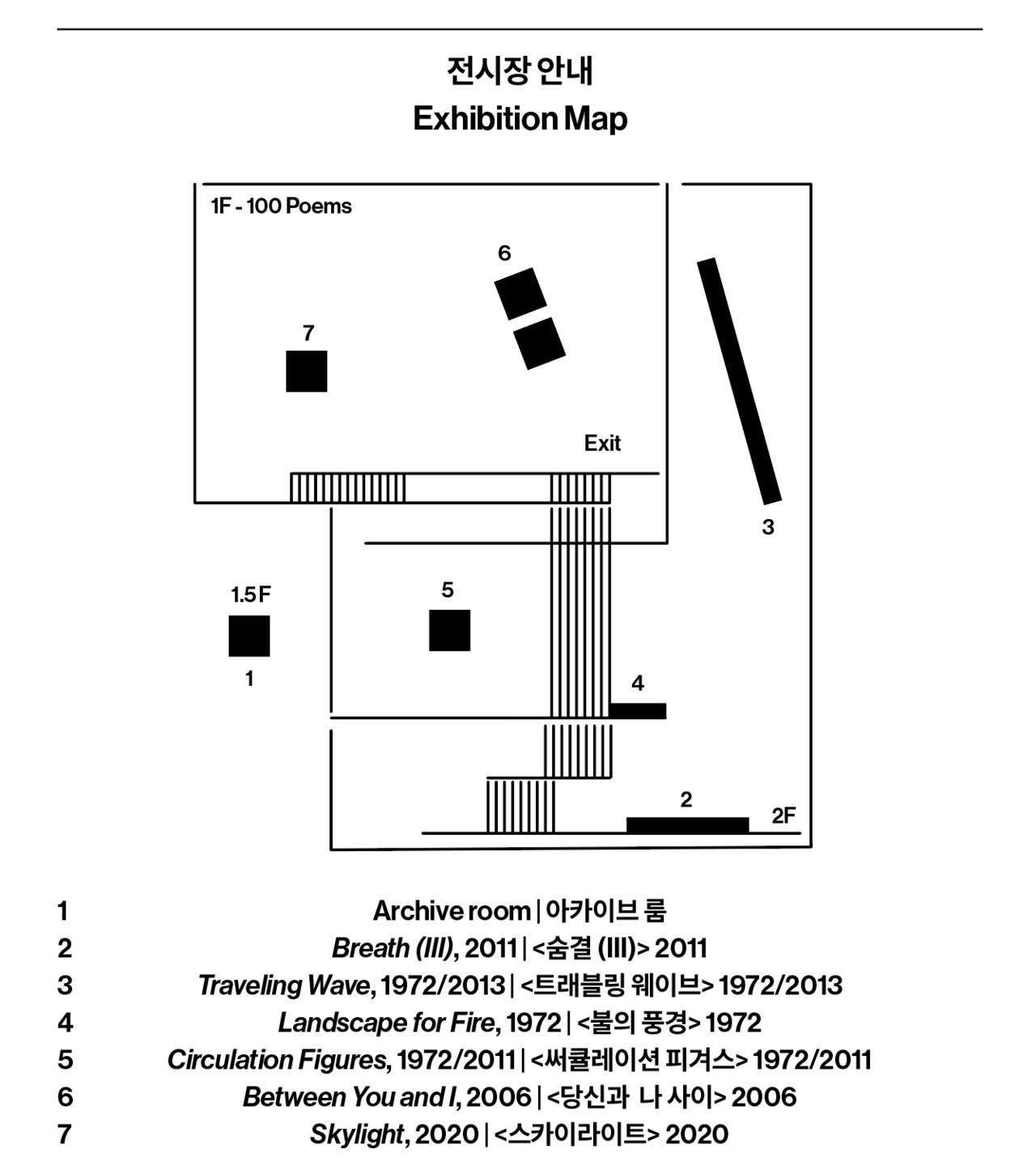
This retrospective at Futura Seoul traces McCall’s trajectory from early analog experiments like the 1972 outdoor performance film Landscape for Fire, to immersive digital projections such as Skylight (2020). Spanning nearly 50 years, the exhibition maps the evolution of McCall’s formal investigations and sensory poetics.
At the center of this journey lies one core question:
Can light exist as sculpture without a screen?
His 1973 breakthrough, Line Describing a Cone, offers an iconic answer. In a pitch-black room, a slowly rotating beam of light draws a cone in space—gradually materializing an invisible form that surrounds the viewer. The cinema dissolves, and light becomes both shape and narrative.

Decades later, Breath III refines this sculptural vocabulary. Here, beams of light pulse rhythmically—expanding and contracting like lungs—enveloping the viewer in a breathing, organic geometry. It is less an image than a living space for renewed perception.
In Between You and I, McCall explores the concept of relationship through light. Two beams are projected in parallel, slowly intersecting, folding into one another. As viewers move between them, they become part of the interplay, embodying both observer and participant in a visual metaphor for human connection.
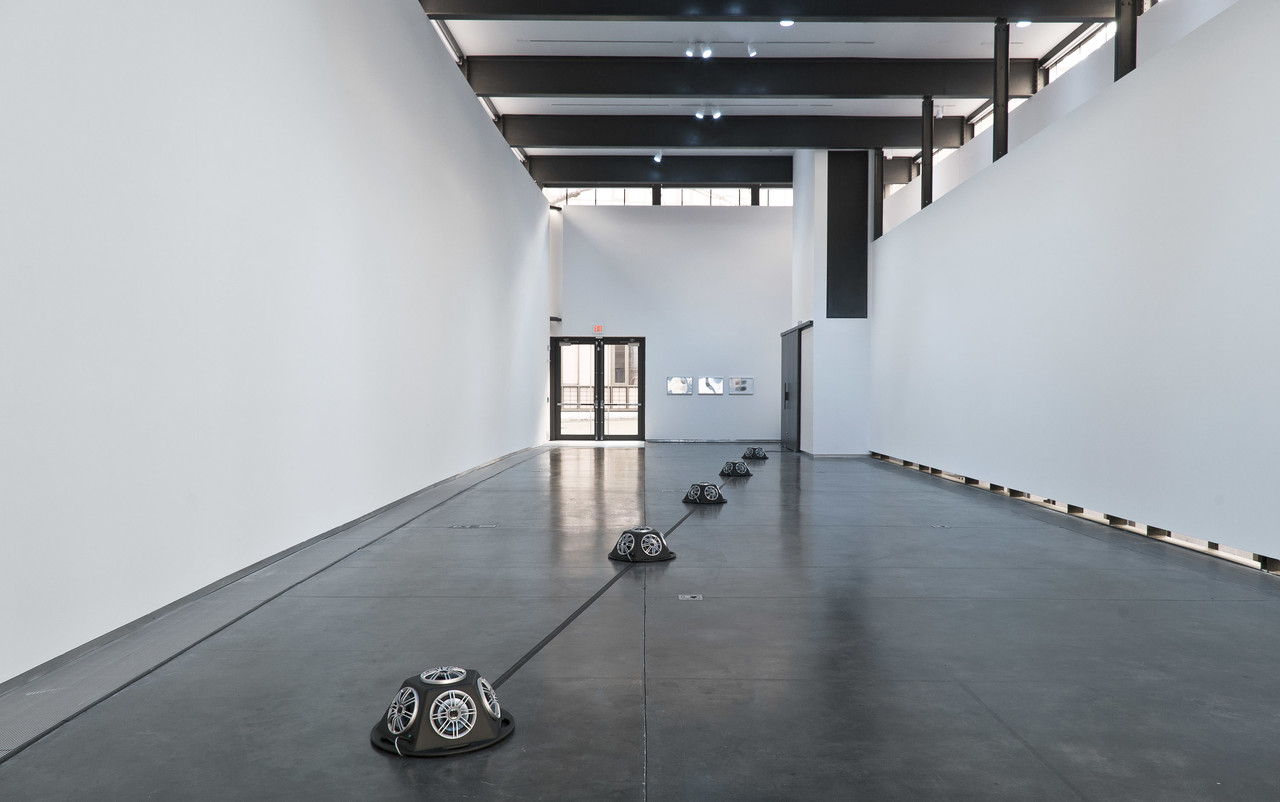
Then comes Circulation Figures, where McCall’s philosophy expands into a socio-visual critique. Using newspapers, mirrors, and looping footage, the work interrogates the circulation of images, media, and memory. Layering sound, reflection, and repetition, it doesn’t just show you an artwork—it implicates you in the act of seeing.
Finally, Skylight marks the culmination of McCall’s sculptural lexicon. Over a 16-minute loop, projected light and a thunderous soundscape composed by David Grubbs flood the room with atmospheric tension. Lightning-like flickers, immersive audio, and ambient haze merge to create a visceral environment. Here, light no longer simply carves space—it becomes memory, embodiment, and suspended time.
The Poetics of Repetition and Archive
Inside McCall’s Studio Practice
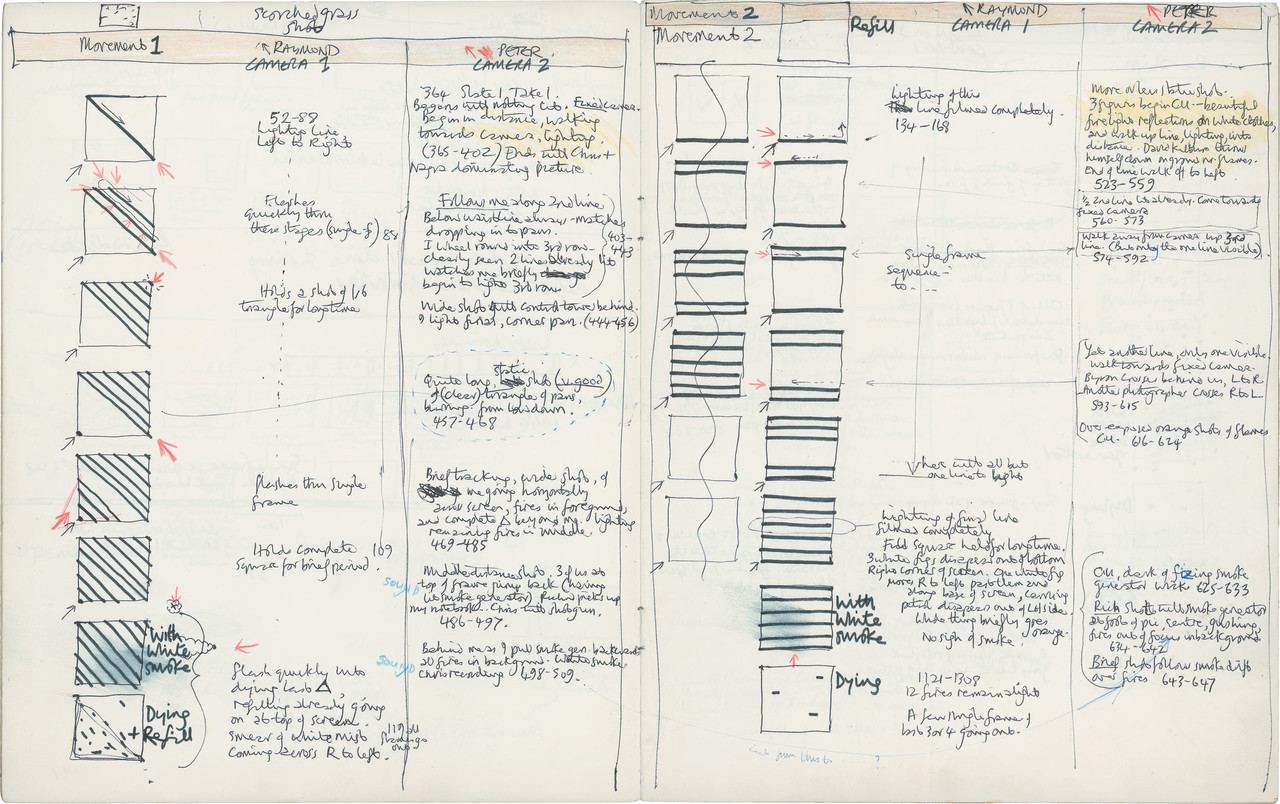
A dedicated archive room accompanies the exhibition, offering a glimpse into the inner workings of McCall’s studio: over 180 notebooks, diagrams, time-coded storyboards, performance scores, and past exhibition documents.
For McCall, drawing is not preparation—it’s composition. Each sketch functions like a musical score, organizing movement and time into form. His installations are not spontaneous gestures but meticulous structures built upon duration, rhythm, and architectural precision.
Experiencing the Future at Futura Seoul
True to its name, Futura Seoul bridges past, present, and future. Its architecture—flooded with natural light—allows McCall’s works to breathe, not as static objects, but as living fields of perception.
This exhibition isn’t something you simply view. You walk through it, wait inside it, let it shape your awareness. It invites you to move slowly, to feel fully, and to sense time in new ways.
For those seeking a pause from the algorithmic noise of daily life, Works 1972–2020 offers not an escape—but a recalibration.
Editor A’s Closing Thought
Light may vanish, but its echo stays with us.
Let this exhibition be a quiet punctuation mark in your day— a moment to reawaken the senses.
When was the last time you truly felt something?