art-culture
Art Basel's Quiet Comeback: What a $35M Picasso (and One Very Bittersweet Sale) Told Us About Art in 2026
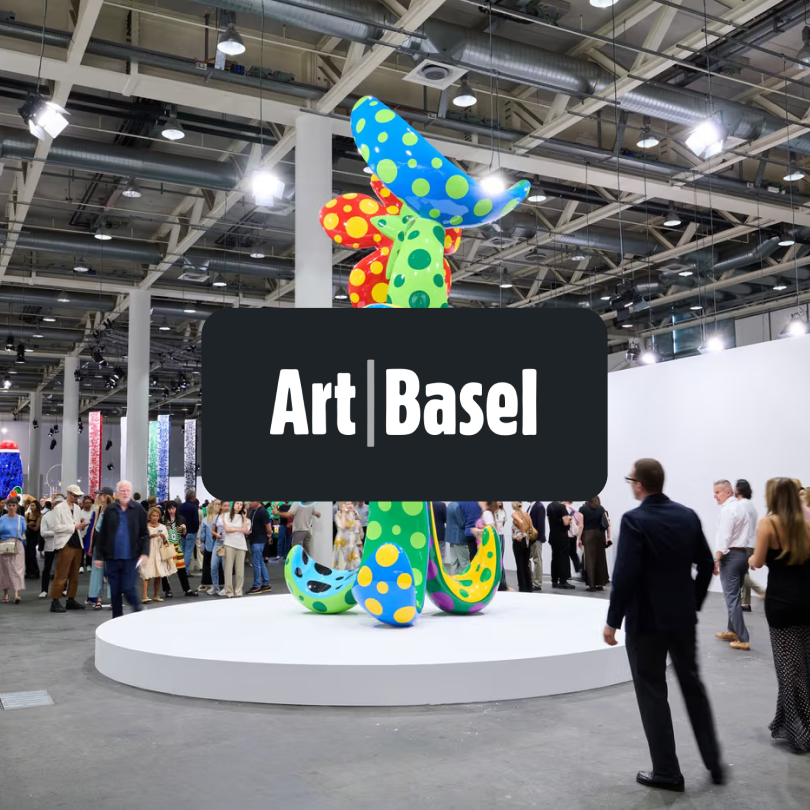

Art Basel's Quiet Comeback: What a $35M Picasso (and One Very Bittersweet Sale) Told Us About Art in 2026
Every June, the art world packs up its best work, its biggest egos, and its most closely guarded price lists, and descends on a mid-sized Swiss city to figure out, collectively, what art is worth right now. This year, the answer arrived faster than usual: within hours.
On the morning of June 16 — the fair's invite-only "First Choice" preview, the hour when the world's most connected collectors get first crack at the best booths — Hauser & Wirth sold a 1963 Picasso, Le peintre et son modèle dans un paysage, for its full $35 million asking price at the Switzerland Art Basel 2026. By 4pm, the gallery had sold 35 works. "As strong a first day as we've ever had," said gallery president Iwan Wirth, which is the kind of thing gallery presidents always say, except this time the numbers backed him up.
That sale set the tone for what would become, by every measure that matters, a genuinely strong week for Art Basel — and a meaningful signal for anyone who's been wondering whether the art market's rough few years are actually turning a corner.

First, the refresher: what even is Art Basel?
If the name has been popping up in your feed without much explanation, here's the short version. Art Basel is the art world's most prestigious trade fair, held every June in Basel, Switzerland — the Super Bowl of the gallery circuit, if the Super Bowl also functioned as a barometer for a $59.6 billion global industry. The top galleries on earth fly in their best inventory. Museums send curators. Billionaires send their advisors, or show up themselves.
Access is tiered like a nightclub with better lighting. VIP preview days come first — this year, June 16 and 17 — where the wealthiest, best-connected collectors get to buy before anyone else even sees the work. The general public files in afterward, June 18 through 21. By the time you or I could theoretically walk in, most of the eight-figure decisions have already been made.

So what actually happened this year
The numbers: 290 galleries from 43 countries, 90,000 visitors, buyers from 103 countries, representatives from more than 270 museums and foundations. Big, but not the headline. The headline is what sold, and how fast.
Beyond the Picasso, Pace Gallery moved Lynda Benglis's Power Tower — a 2,100-pound bronze sculpture — for $1.4 million. Yares Art sold Helen Frankenthaler's Gliding Figure (1961) for $2 million and Joan Mitchell's Untitled (1958) for $1.2 million, alongside a Larry Poons for a comparatively modest $190,000, proof that the fair wasn't just an eight-figure spectacle — money was moving at every altitude.
And then there was the Hockney.
David Hockney died on June 11, at 88, five days before the fair's VIP preview opened. It wasn't something anyone at Basel could have planned around, and yet his 2014 painting Studio Interior #2, sold by Chicago's GRAY gallery for $8.5 million, became one of the week's most talked-about transactions — not because of the price alone, but because of the timing. A market that spent the last few years being accused of treating art like a stock ticker paused, however briefly, to reckon with the fact that behind every lot number is a person, and that this particular person had just left the building for the last time.
It's a strange thing to say about an art fair, but that sale had weight.

What the numbers actually mean
Here's the context the sales figures alone don't give you: the last few years have been rough. The post-pandemic run-up saw prices spike and speculative buyers pile in, treating paintings like meme stocks with better wall presence. Then came the correction — smaller galleries closed, prices slid, and confidence, the one thing an art market genuinely cannot function without, evaporated.
Basel 2026 is the clearest sign yet that the mood is shifting. "Buyers are feeling like it's safe to say yes to things again," advisor Benjamin Godsill told reporters on the ground — noting that the real action wasn't in eight-figure trophy pieces but in the $200,000–$2 million range, where genuine collectors, not flippers, are doing the buying. That distinction matters more than the topline sales numbers. A market driven by people who actually want to live with the work is a healthier market than one driven by people trying to sell it again in eighteen months.

The data backs up the vibe shift: according to the Art Basel & UBS Global Art Market Report 2026, global art sales rose 4% in 2025 to $59.6 billion — the first increase since 2022, after two straight years of decline. Dealer sales were up 2%, public auctions jumped 9%. It's not a full recovery — mid-size galleries are still hurting, and the very top of the market hasn't returned to its 2021–2022 highs — but for the first time in a while, the line on the chart is pointing the right direction.
Two lanes, one market
If you're thinking about art as something you might actually put money into, 2026's market breaks fairly cleanly into two lanes.
Lane one is blue-chip: Picasso, Hockney, Richter — art history's proven performers. This is the "store of value" version of art investing: slow, expensive to enter, and about as close to a sure thing as a genuinely illiquid, subjective asset class can offer.
Lane two is emerging work — earlier-career artists, generally priced well below six figures, where the risk is real but so is the upside if a reputation takes off. At Basel this year, some galleries reported selling out their booths of emerging work within the opening hours, which suggests the appetite for getting in early hasn't gone anywhere.
The part where we tell you why we're writing about this
For most of art market history, both of those lanes required the same thing to enter: serious money, serious connections, or both. That's the part YEATU exists to change. It's a platform that lets people invest in the artists and projects they actually believe in — no gallery relationship required, no seven-figure minimum — while putting real funding behind the artists making the work.
It matters more now than it used to, because the money is about to move. An estimated $83 trillion is projected to pass between generations over the coming decades, and a meaningful share of it is heading toward people who think about ownership, access, and investing very differently than the collectors who came before them — more digital, more global, less interested in needing a gallery's permission to participate.

The bottom line
Art Basel 2026 didn't declare the art market fully healed — the recovery is real but uneven, and plenty of galleries are still white-knuckling it. What it did do is give the clearest signal in years that the market is recalibrating in the right direction: less speculation, more conviction, real buyers making real decisions at every price point, from $190,000 Larry Poons paintings to $35 million Picassos sold before lunch.
The infrastructure for a much bigger, much more open version of that market is already being built. You don't need an invite to the First Choice preview to be part of it.
Start exploring at YEATU.com