예투-소식
As Kiaf and Frieze Raise the Bar, Why Is Newcomer PIATE Betting on Art Under KRW 5 Million?
As Kiaf and Frieze Raise the Bar, Why Is Newcomer PIATE Betting on Art Under KRW 5 Million?
Every September, Seoul's COEX convention center fills with nearly 300 galleries. Kiaf Seoul draws 175 galleries from more than 20 countries; Frieze Seoul, now in its fourth edition, adds another 120, showing everyone from Nam June Paik to Yayoi Kusama. The two fairs have made Seoul Asia's most talked-about art market address — and, this year, both leaned further into exclusivity. Kiaf tightened its gallery selection under the banner "from scale to depth." Frieze leaned on marquee names. The higher the ceiling climbs, the narrower the door gets.
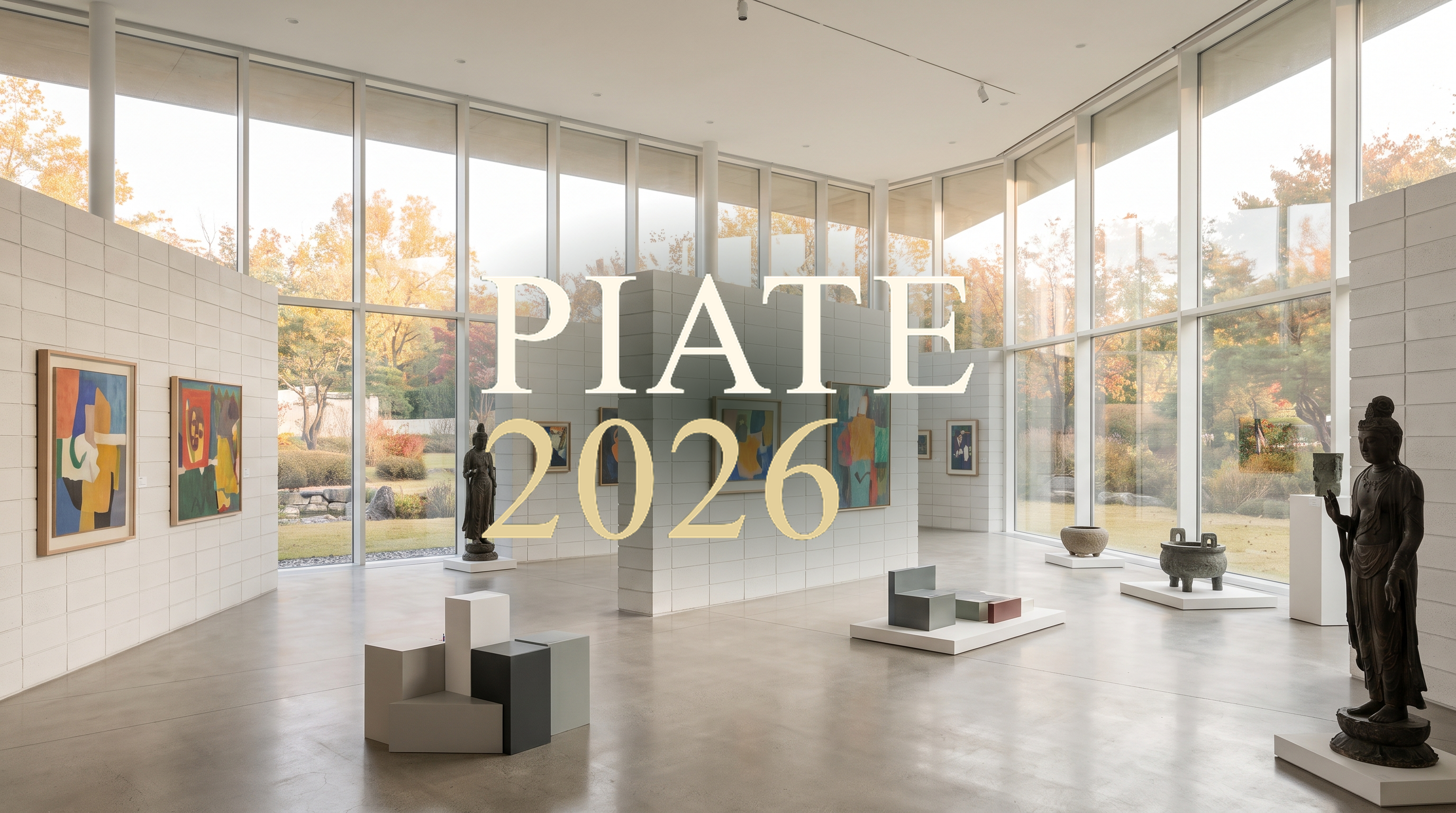
An hour outside Seoul, something else is being built. PIATE 2026 opens October 1–4 at Goyang Flower Exhibition Hall with 50 galleries — 25 domestic, 25 international — and booth fees around KRW 3–4 million (about $2,200–$3,000), a fraction of what a Kiaf or Frieze booth commands. It calls its target the "Missing Middle": original works priced between roughly $3,700 and $22,000, the band sitting between blue-chip masterpieces and mass-produced prints. Why that price range, and why Goyang instead of Seoul?
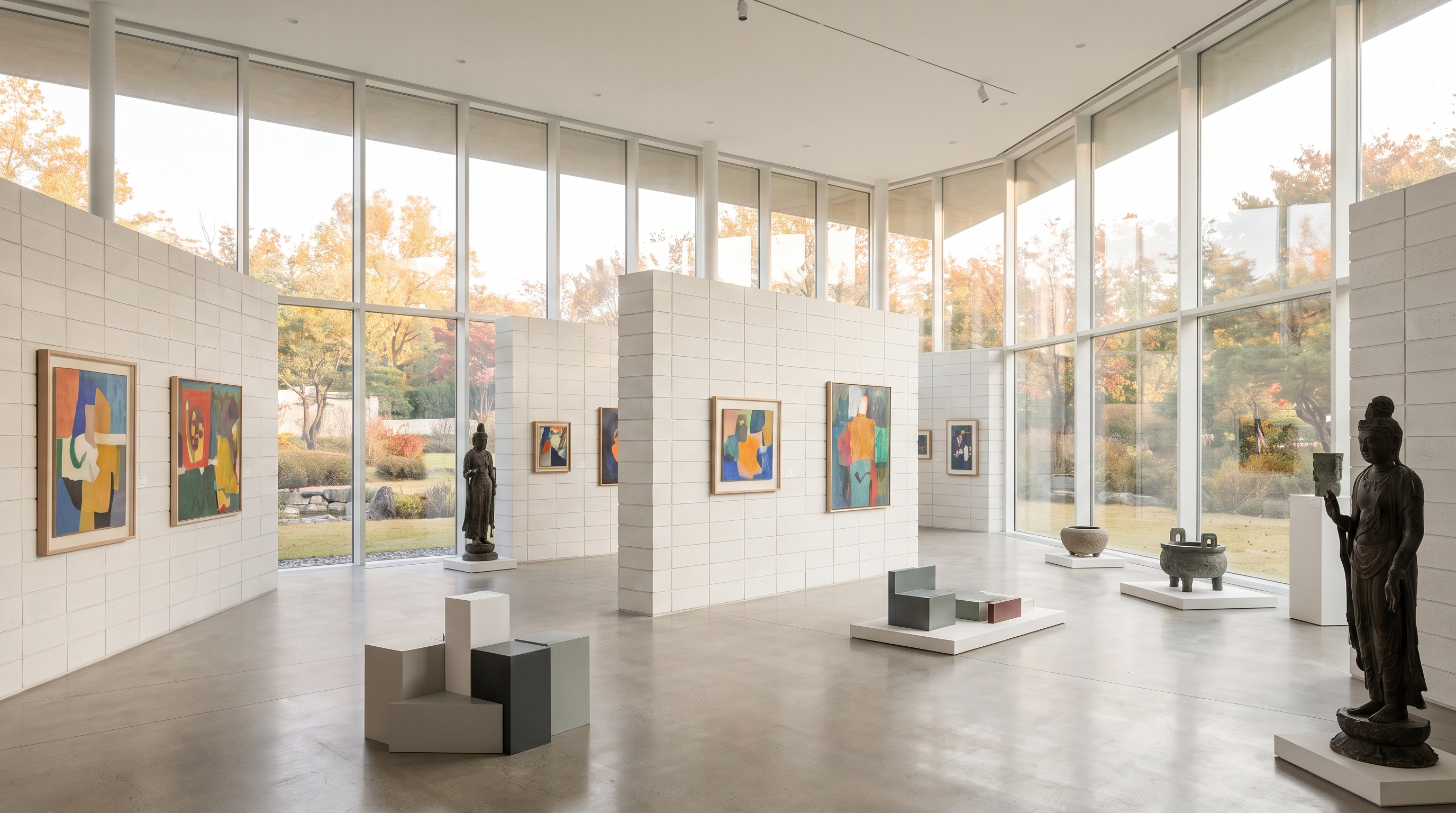
There's a small story behind that name. Picture the art market as a pyramid: at the top, blue-chip masterpieces breaking auction records; at the bottom, mass-produced prints anyone can buy without a second thought. In between is where people who want to buy a real, original work for the first time have always struggled to find a place to stand. Galleries often treated that price band as too much effort for too little margin; buyers frequently didn't even know it was within reach. PIATE 2026 starts from the premise that this middle step wasn't missing — it was just being overlooked.
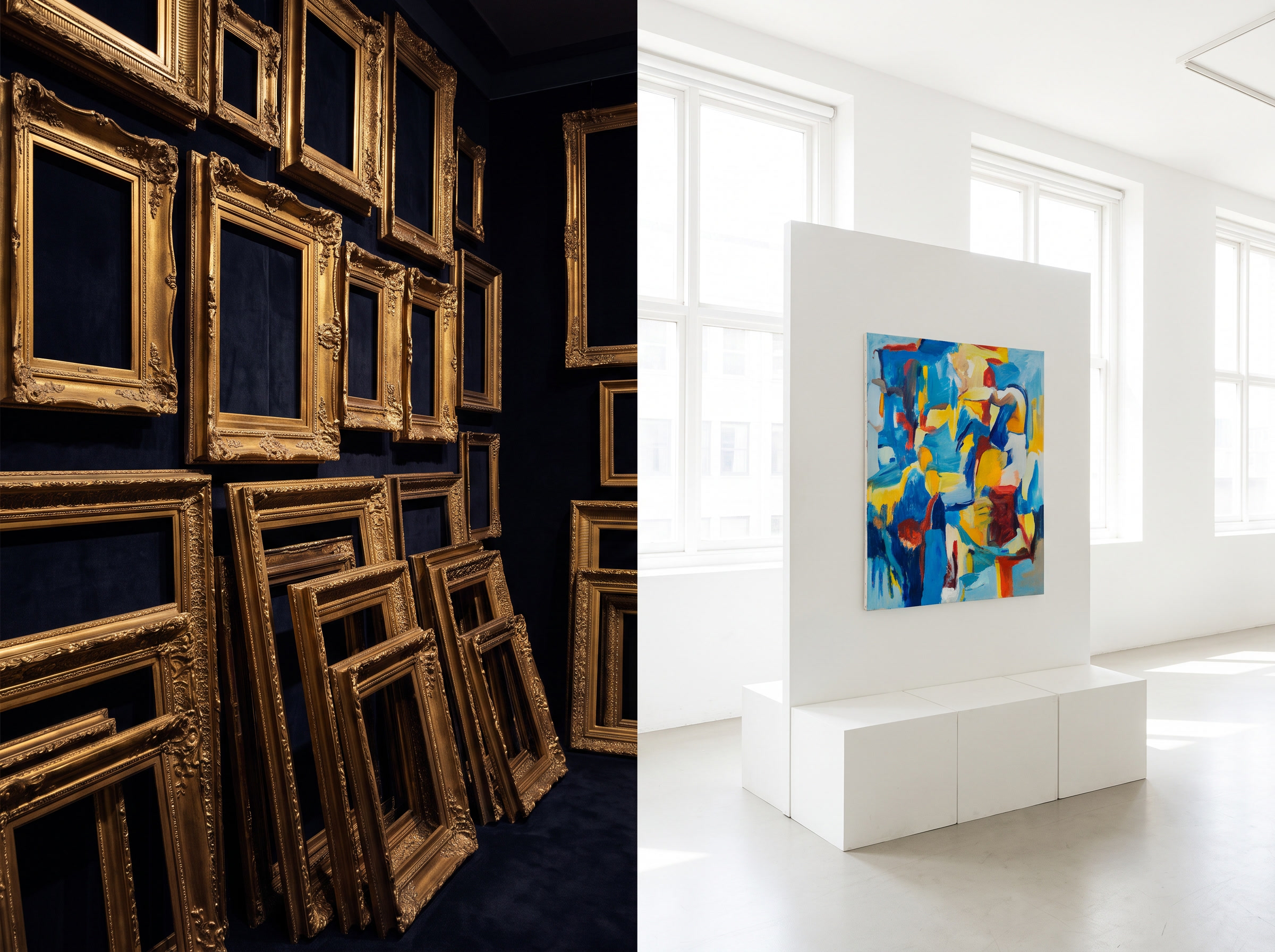
The market data points that way. Industry watchers report that works priced between about $1,500 and $7,500 turn over more than three times faster than high-end pieces. The buyers back that up: 63.2% of visitors to Korea's National Museum of Modern and Contemporary Art are in their 20s and 30s, and 39.3% of art-fair buyers fall in the same range. Among them, 70.3% spend under roughly $3,700 on their first purchase, and 78.9% stay under $7,500. While the ultra-high end stalls, this is where the money is actually moving.
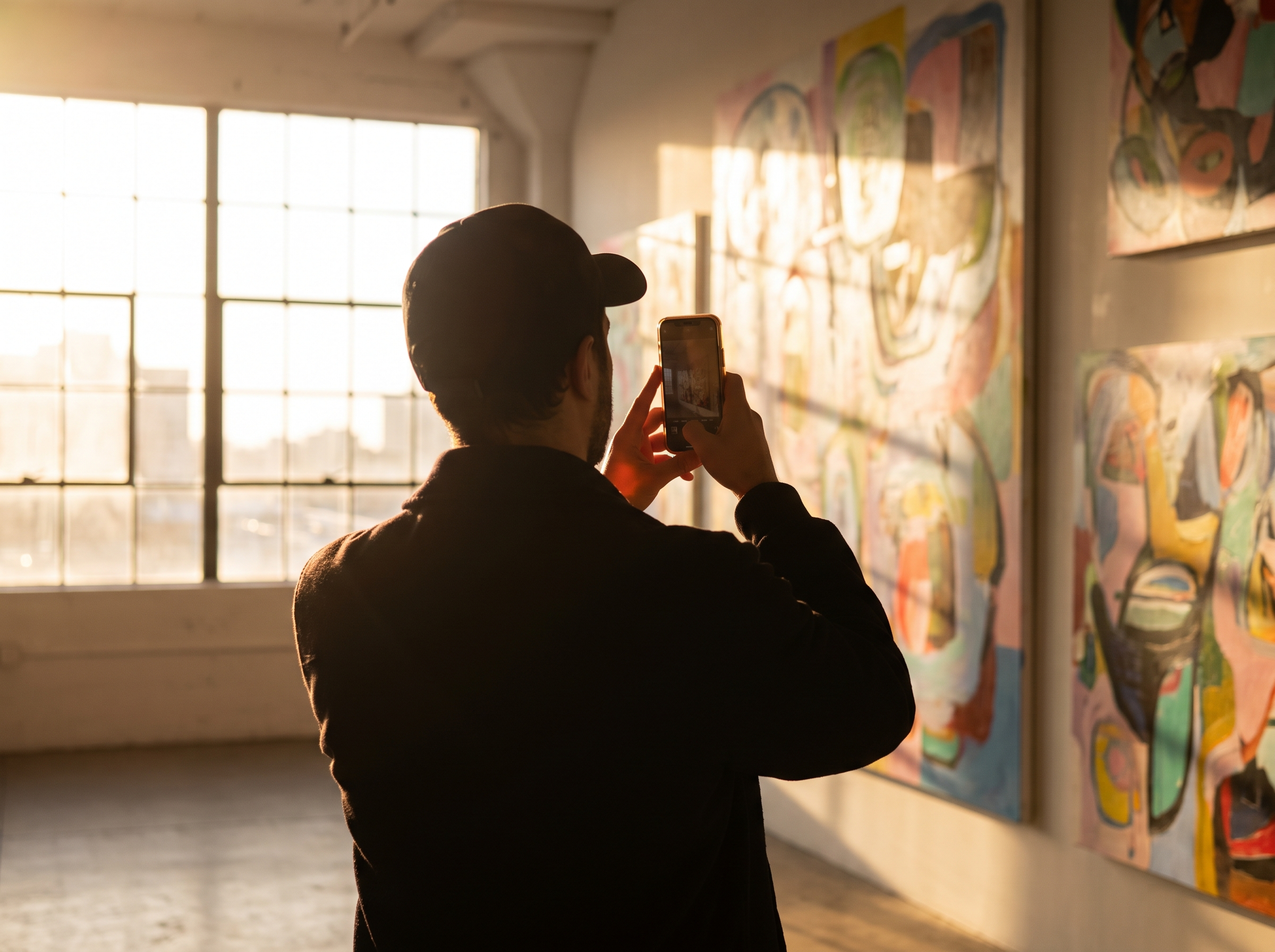
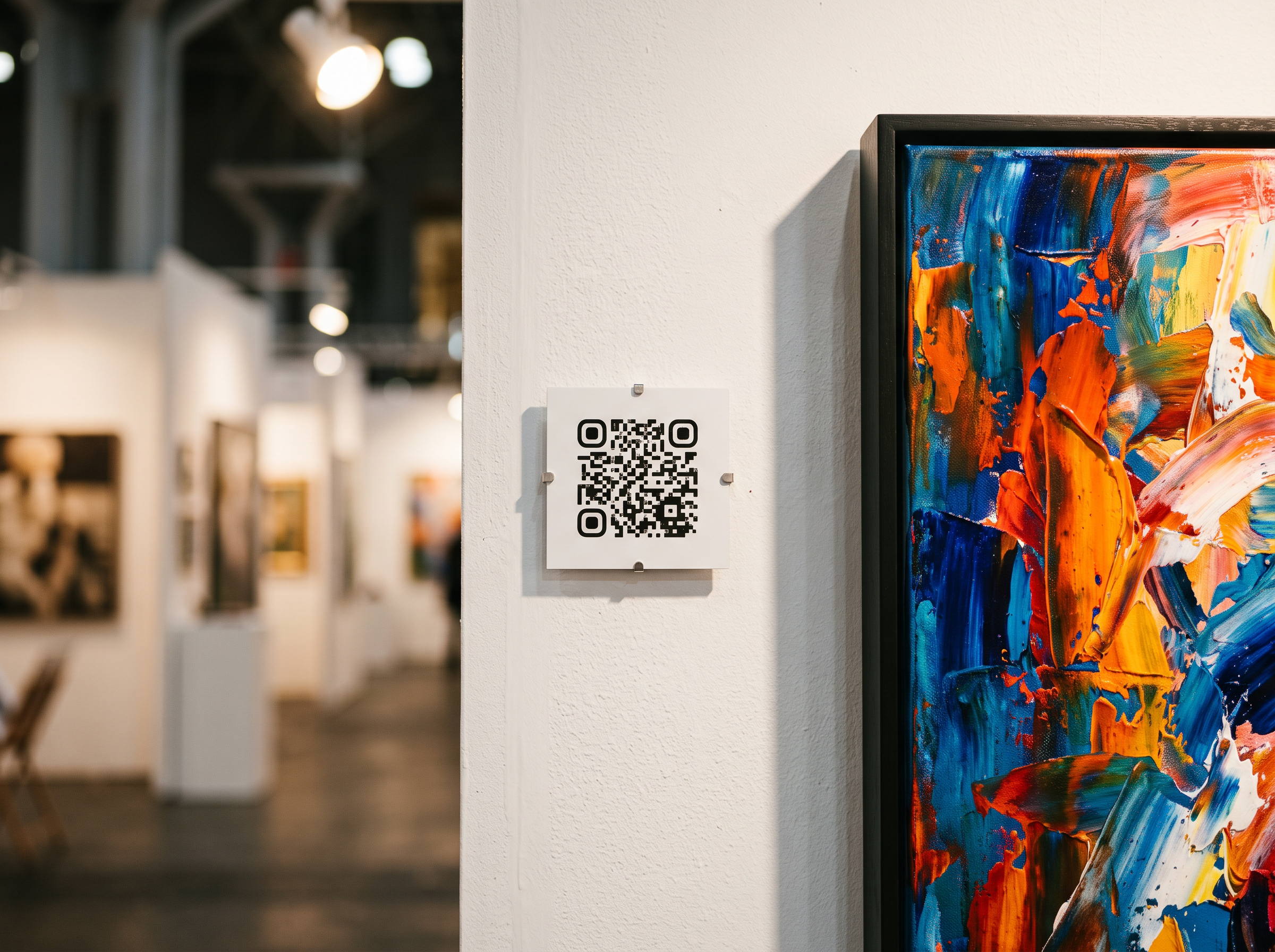
PIATE is also betting on how younger collectors gather information. Many now check a work's background online before ever asking a gallery attendant, and a growing share of mid-price transactions already happens on digital platforms. That's what makes the QR code beside each work worth a second look — it runs on OWNIT, EverTreasure's authentication and information system. EverTreasure built OWNIT on a simple premise: if first-time buyers are going to purchase with confidence, they need to verify an artist's history and a work's details themselves, without needing a gallery pitch. Visitors scan OWNIT for a work's details, then can move straight into contactless payment or rental financing in the same flow.
EverTreasure, the company behind OWNIT, runs YEATU, a platform that lets anyone invest small amounts in cultural content — film, performance, exhibitions. Through VALQ, its AI-driven valuation system, and EverSeal, its blockchain authenticity certification, EverTreasure has been building entry points into art for people who used to hesitate in front of a price tag. Bringing OWNIT to PIATE 2026 follows the same logic.
It's paired with a naturally lit, reusable "eco-hybrid" booth system, and a headline exhibition, "10 Masters of Asia," co-organized with a Chiang Mai art museum — an attempt to put tradition and Korean pop art, Asia and Korea, on the same floor.

YEATU is also running its own booth on-site at PIATE 2026. YEATU lets anyone invest small amounts in film, performance, and exhibitions they care about. At the booth, the team will introduce the service and run visitor events throughout the fair. [Booth event details to be added]
The open question is whether a first-year fair with no track record can pull attention away from Kiaf and Frieze in the same autumn window, and whether real demand shows up at that $3,700–$22,000 price point once the doors actually open. PIATE's organizers have sketched a roadmap toward Chiang Mai in 2027 and a "pan-Asian hub" by 2028 — ambitious, and entirely contingent on how October goes.
It's the same question the broader art market is wrestling with: how do you build a structure where good work and real collectors meet at a price ordinary people can actually pay? It's not far from what EverTreasure is trying to answer with fractional investment in cultural content — a different mechanism, but the same bet that art should be something more people can hold a stake in, not just admire from outside the velvet rope.