investment-news
Diversity and Inclusion in Art: Embracing Cultural Backgrounds in the Art Market
Explore the significance of diversity and inclusivity in the art market. Discover how embracing different cultural backgrounds enriches the world of art. Learn why diversity matters.
Introduction
Art has always been a reflection of society, a canvas that captures the colors and contours of the world we live in. It's a universal language that transcends borders, making it a powerful tool for embracing diversity and inclusivity. In this article, we will explore the profound importance of diversity and inclusivity in the art market, and how the embrace of different cultural backgrounds enriches this vibrant world of creativity.
Table of Contents
1.The Art Market: A Global Phenomenon
2.What is Diversity in Art?
3.The Power of Representation
4.Breaking Stereotypes Through Art
5.Inclusivity in Art Galleries and Museums
6.Cultural Sensitivity in Art Collecting
7.Art as a Bridge Between Cultures
8.Supporting Diverse Artists
9.The Role of Technology in Promoting Diversity
10.Challenges and Opportunities
1. The Art Market: A Global Phenomenon
The art market is not confined to a specific region or country; it's a global phenomenon. Artworks travel across continents, and artists draw inspiration from diverse cultures. In an interconnected world, diversity in art reflects the tapestry of humanity.
2. What is Diversity in Art?
Diversity in art encompasses the inclusion of artists, themes, and styles from various cultural backgrounds. It means acknowledging that art isn't limited to one perspective, but a mosaic of voices, stories, and traditions.
3. The Power of Representation
Representation matters. When artists from different backgrounds are represented, it sends a powerful message of inclusivity. It tells individuals that their stories, experiences, and heritage are valued.
4. Breaking Stereotypes Through Art
Art has the unique ability to challenge stereotypes. It can reshape how we view different cultures, dismantling preconceived notions and fostering understanding.
5. Inclusivity in Art Galleries and Museums
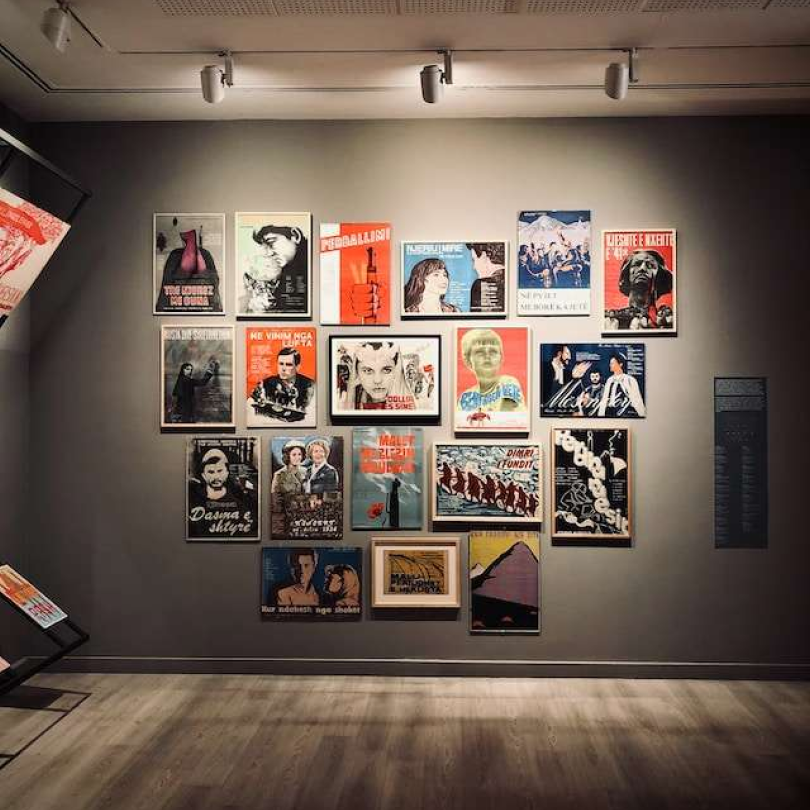
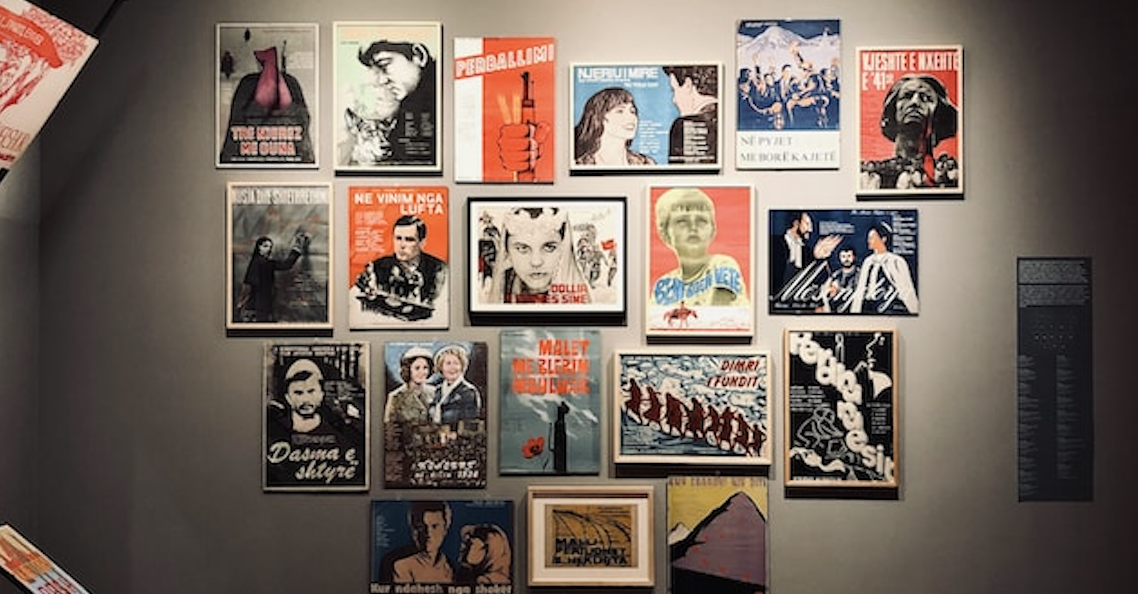
Art institutions play a pivotal role in promoting diversity. By curating exhibitions that feature artists from underrepresented backgrounds, they make art accessible to everyone.
6. Cultural Sensitivity in Art Collecting
Art collectors can drive change by investing in diverse artworks. A diverse art collection not only showcases a collector's appreciation for different cultures but also supports marginalized artists.
7. Art as a Bridge Between Cultures
Art transcends language barriers. It serves as a bridge between cultures, enabling people to connect and appreciate the richness of diversity.
8. Supporting Diverse Artists
Supporting emerging artists from diverse backgrounds is essential. It provides them with the resources and recognition they need to thrive.
9. The Role of Technology in Promoting Diversity
The digital age has opened new avenues for artists to showcase their work. Online platforms and social media allow artists to reach a global audience, breaking down geographical boundaries.
10. Challenges and Opportunities
While progress has been made, challenges remain. Discrimination and bias persist in the art world. However, these challenges present opportunities for change, and artists and institutions are taking steps to address them.
Conclusion
In conclusion, diversity and inclusion in art are not just buzzwords; they are the lifeblood of creativity. Embracing different cultural backgrounds in art enriches our artistic landscape, making it more vibrant, inclusive, and reflective of our diverse world.
FAQs
1.Why is diversity important in the art market?
Diversity is essential in the art market because it ensures a wide range of voices and perspectives are represented, enriching the art world and fostering inclusivity.
2.How can I support diverse artists as a collector?
Supporting diverse artists can be done by actively seeking out and purchasing their artwork, attending exhibitions featuring their work, and promoting their art within your network.
3.What role can technology play in promoting diversity in art?
Technology can promote diversity in art by providing a platform for artists from diverse backgrounds to showcase their work to a global audience through online galleries and social media.
4.Are art institutions doing enough to promote diversity?
While progress has been made, there is still work to be done. Many institutions are actively working towards greater inclusivity, but there is always room for improvement.
5.How does diversity in art benefit society as a whole?
Diversity in art benefits society by fostering a sense of belonging, challenging stereotypes, and promoting cross-cultural understanding, ultimately contributing to a more inclusive and harmonious world.