art-culture
Alien Time & the Human Heart: Inside the World of Lee Hanbi
Alien Time & the Human Heart: Inside the World of Lee Hanbi
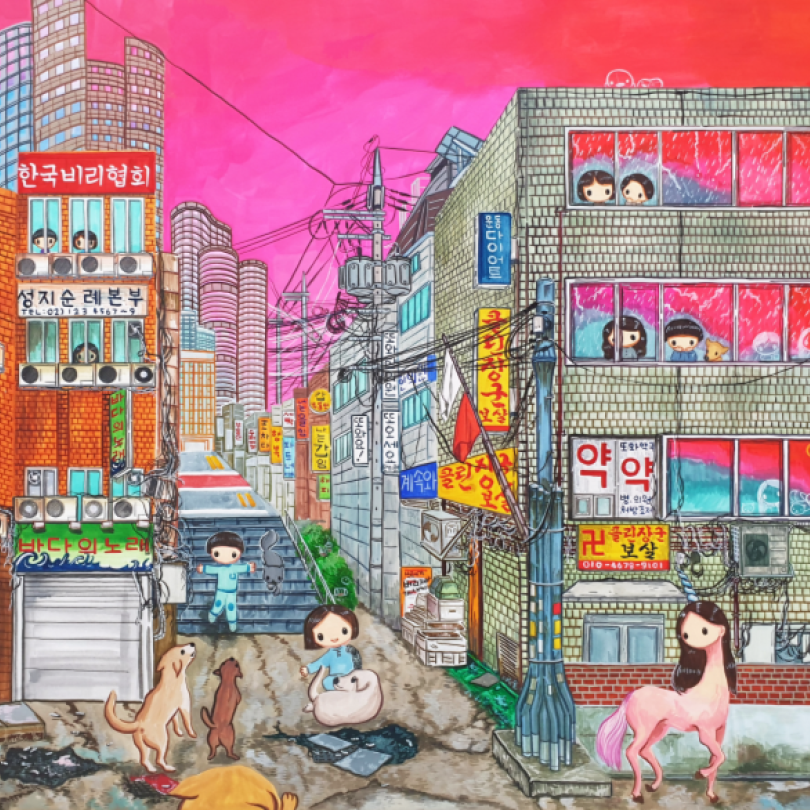
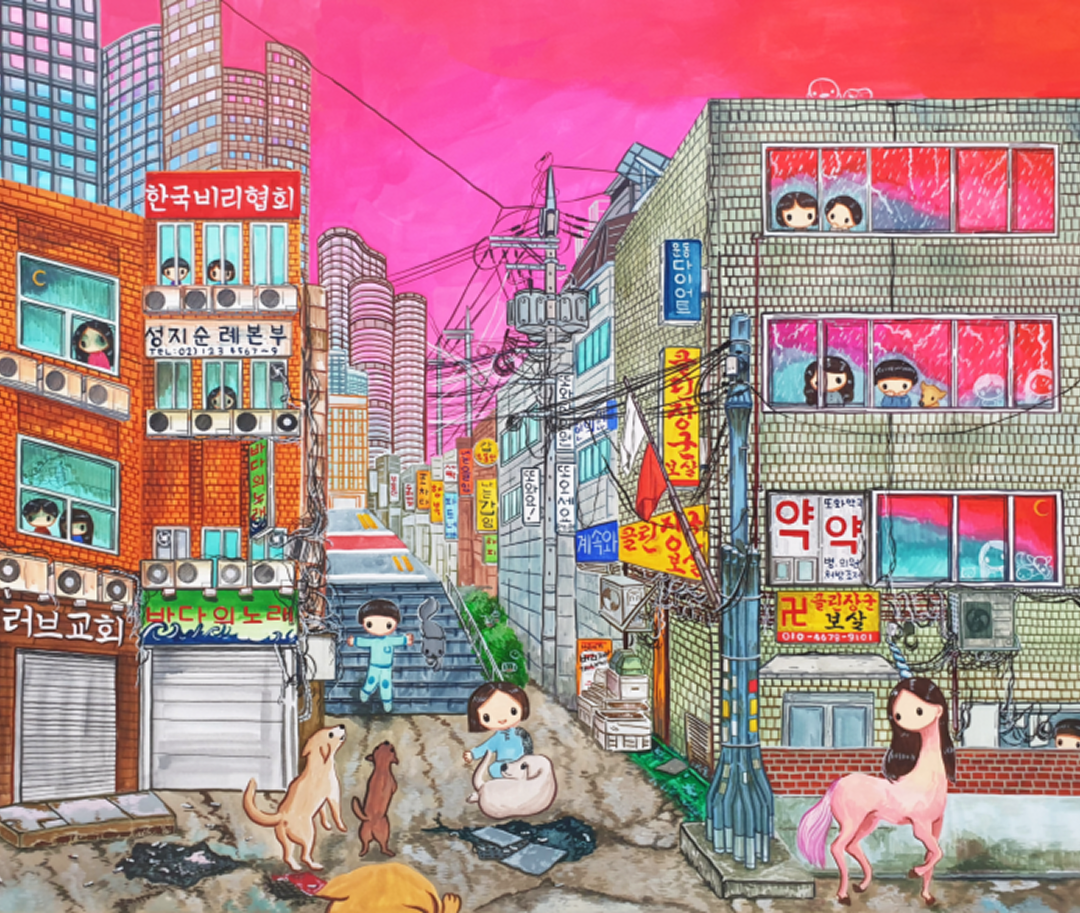
Alien Time & the Human Heart: Inside the World of Lee Hanbi
There are beings that may not exist — and yet, somehow, they live quietly in all of us. Aliens, AI, unicorns, and the dark, endless stretch of time. In the work of artist Lee Hanbi, these imagined figures emerge from the space between fear and hope.
Invisible Creatures, Unmistakable Emotions
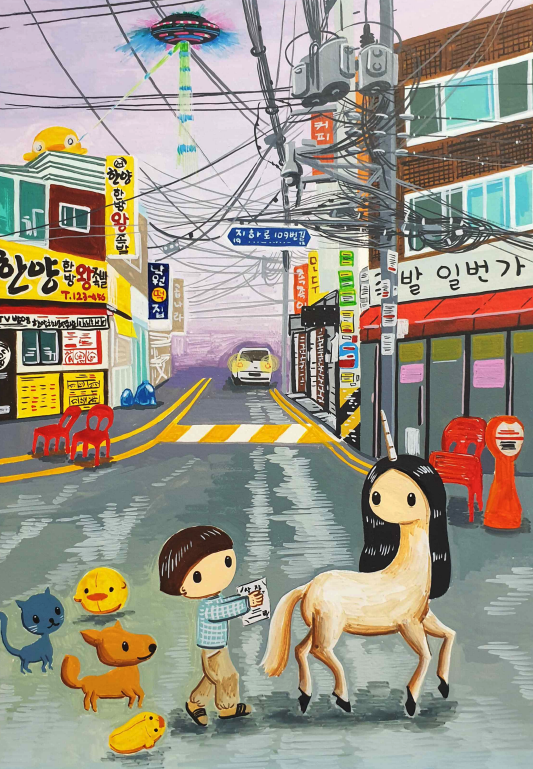
Lee Hanbi paints the unseen.
Mysterious UFOs, AI messengers from beyond, shapeless unicorns, and time itself — black, endless, unknowable.
These are not just fantasy. They symbolize the hidden corners of our minds: our fears, our desires, our curiosities about the future, and visions no one’s ever seen — or perhaps only in dreams.
“You don’t need to define what they are,” the artist says. “Just feel them however they appear to you.”
Imagination Rooted in Reality
Don’t be fooled by the fantasy. Hanbi’s world is laced with philosophy. She looks at imbalance in society, invisible power structures, and the fragility of human emotion.
Classic moral questions — like good versus evil — are reexamined through her art, grounded in the messiness of reality. So while her works may look otherworldly, they’re really about this world — and how we live in it.
A Universe Born in a Forgotten City
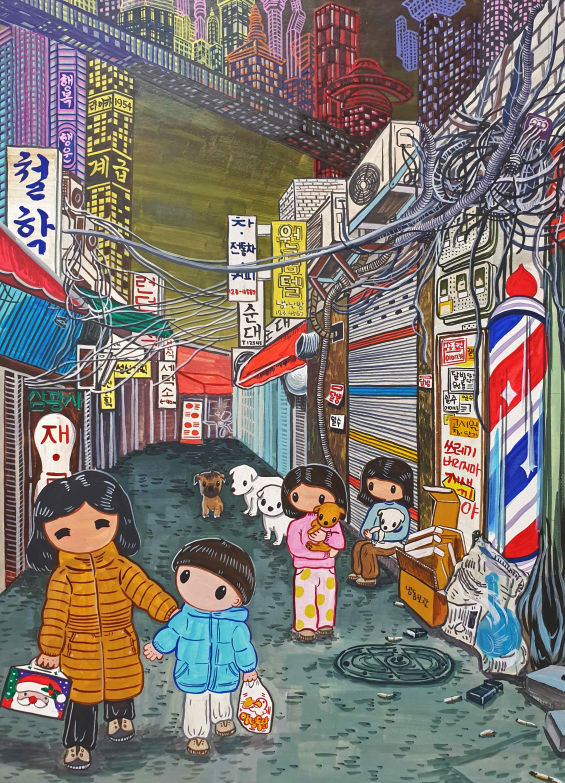
One of Lee’s biggest inspirations? Kowloon Walled City in Hong Kong.
Cramped buildings, tangled wires, rusted air conditioners clinging to old walls —a space abandoned, yet still breathing.
In that overlooked place, she imagined a new civilization: A world built by beings ignored and dismissed. It’s where her aliens and unicorns first came to life.
Between Oil and Water, Between Thought and Feeling
Lee’s art flows between oil and watercolor. Oil holds depth, weight, and quiet contemplation. Watercolor is lighter — like the rhythm of daily life, open and honest. Each medium carries a different emotional tone, and together, her paintings feel like pages from a visual diary — intimate and unspoken.
“Oil paints are like an old friend I can sit with for hours. Watercolors are little whispers from my everyday.”
And Then, There Were Snakes
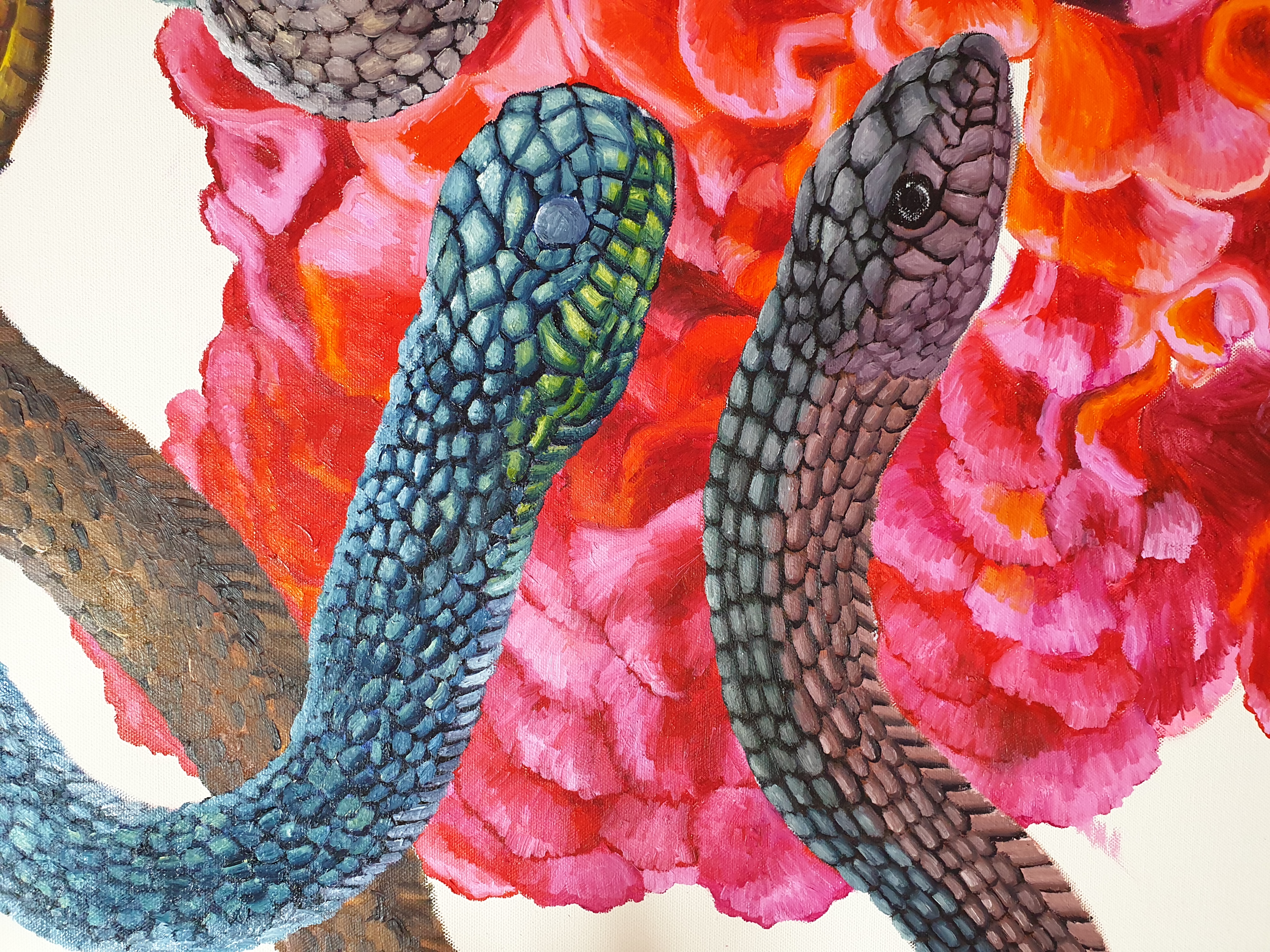
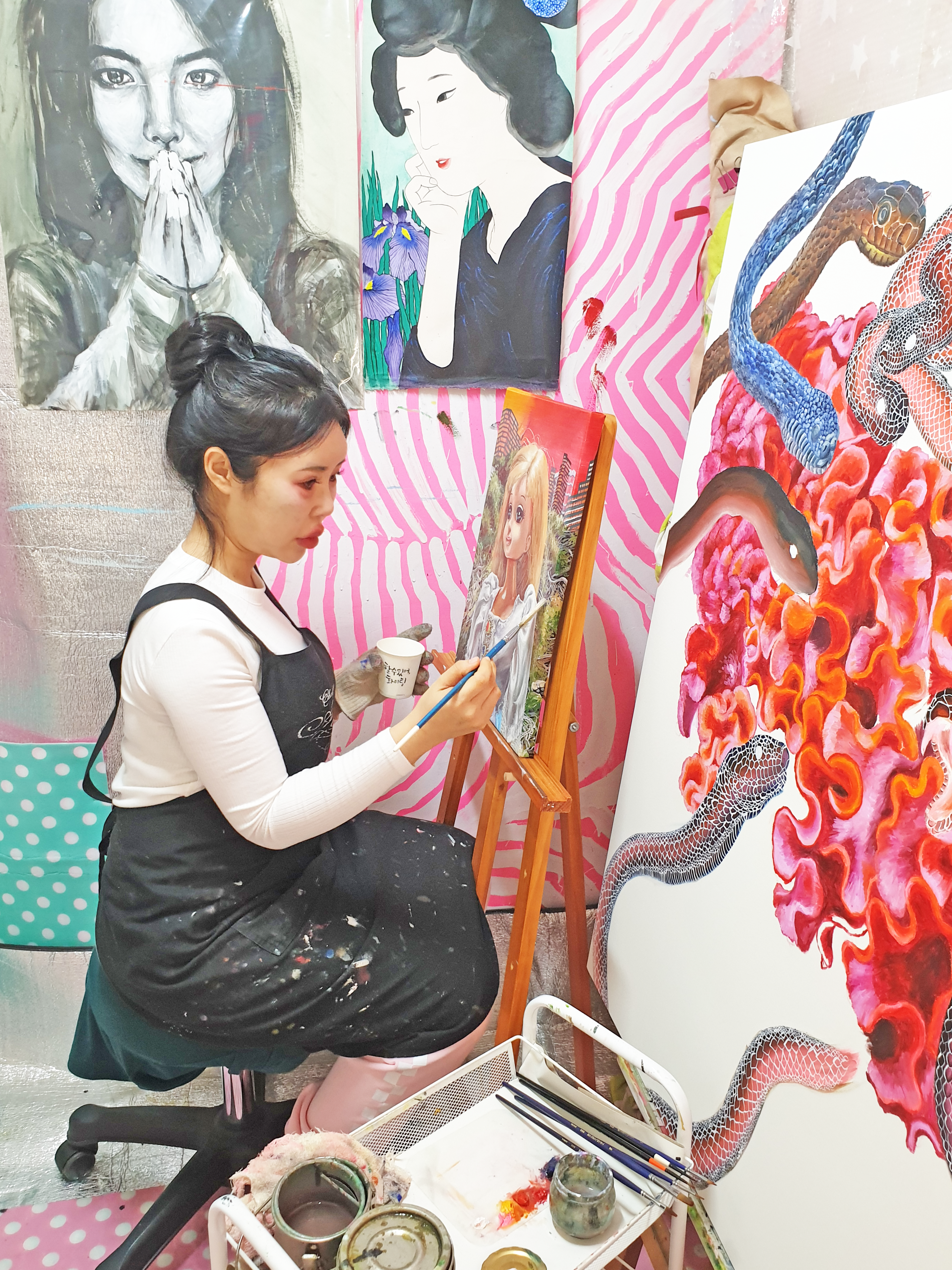
Recently, snakes have entered her work. It began with a centennial tribute to legendary artist Chun Kyung-ja —but became something more. Entwined with cockscomb flowers, the snakes represent opposites coexisting: life and death, beauty and repulsion, softness and sharpness.
Grotesque yet beautiful. Ragged yet alive.
A Pause in Time
Lee Hanbi says:
“I just want people to pause in front of my paintings —even if just for a moment. That’s enough.” And in that moment — in front of a painting that might be a dream of an alien or the map of a human heart — we find ourselves drifting into thought.
YEATU’s encounter with Lee Hanbi reveals something quietly profound:
The unfamiliar hidden inside the familiar. Her world lives on the edge between reality and imagination, between dread and desire.
And that edge? It’s a place we’ve all been — somewhere inside ourselves.