art-culture
First vs. Last: How 8 Great Artists Transformed Over Their Lifetimes
First vs. Last: How 8 Great Artists Transformed Over Their Lifetimes
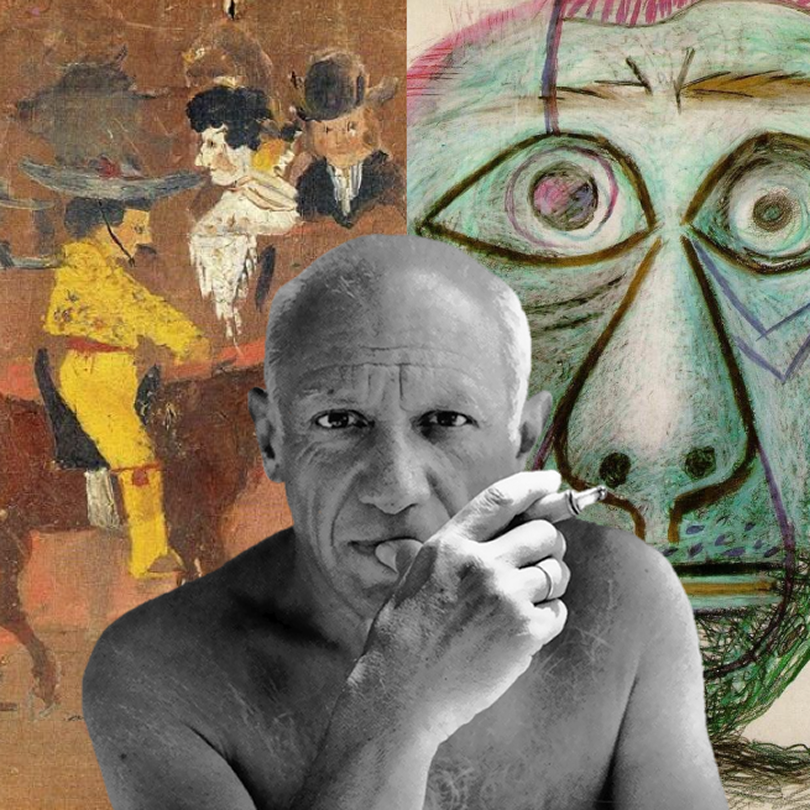
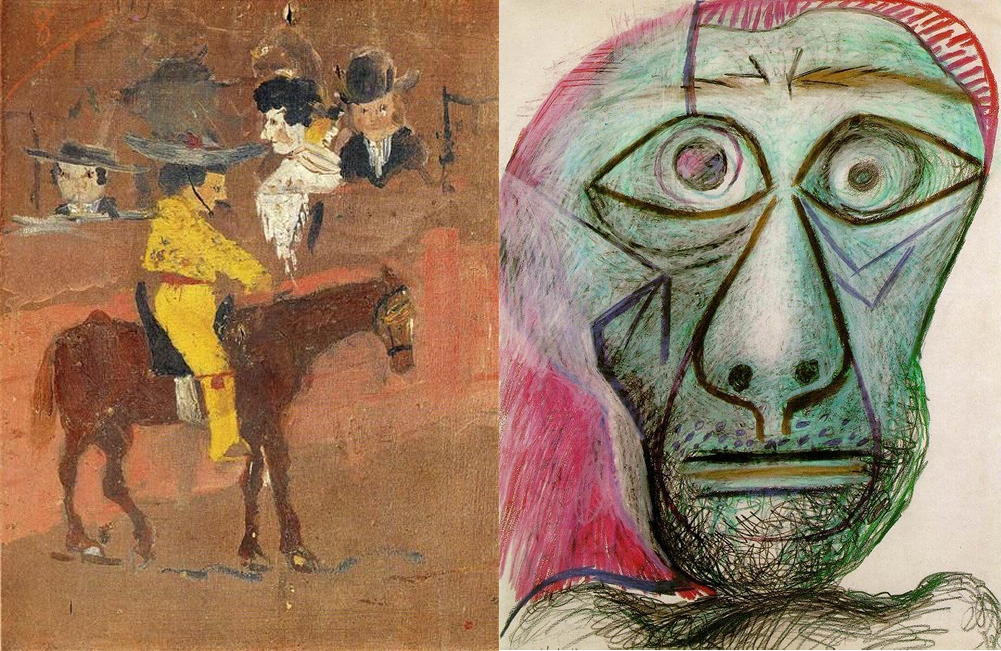
On June 30, 1972, less than a year before his death, Pablo Picasso picked up a crayon and drew his own face. What came out looked almost skeletal — wide, startled eyes, lines scratched in rather than drawn. Art historian Pierre Daix called it "a mirror to Picasso's psyche." It bears almost no resemblance to The Picador, the tidy, traditional bullfighting scene he painted as a child.
A card carousel making the rounds on Instagram poses exactly this question, lining up the first and last paintings of eight famous artists — Picasso, Monet, Rembrandt, Turner, Goya and others. Seen side by side, some of these pairs barely look like the work of the same person. The comments section is full of the same reaction: "why did they all lose their minds?" So why do so many great careers end looking nothing like where they started?
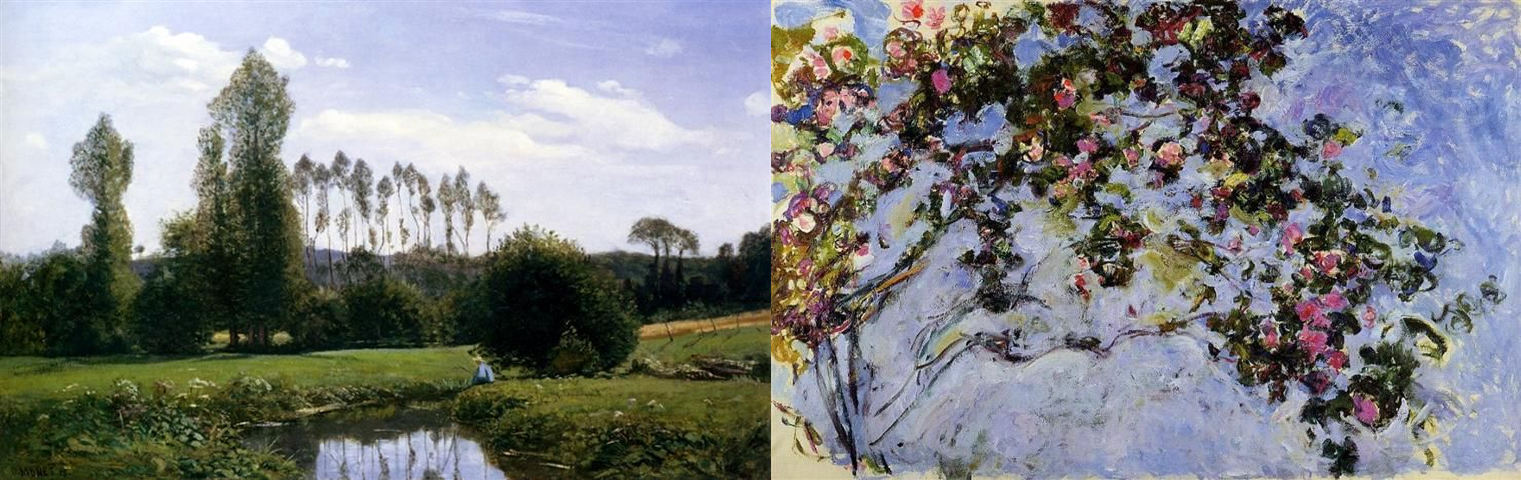
Part of the answer is physical. Claude Monet's eyesight collapsed from cataracts starting in 1912, when his vision measured roughly 20/50; by 1922 he was legally blind at 20/200. Unable to distinguish blue from green, he leaned harder into reds and yellows, and some of his late water lily canvases read almost infernal. When he finally had surgery on one eye in 1923, he described the recovery as "terrifying."
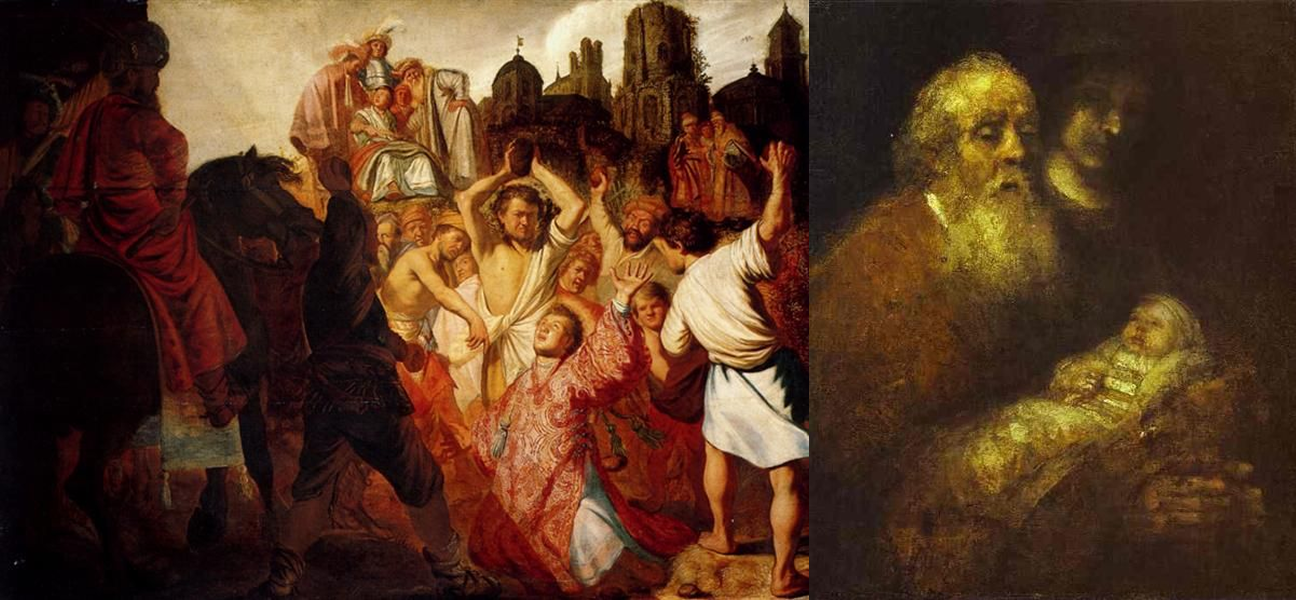
Rembrandt's decline was more literal: his final painting, Simeon in the Temple, was left unfinished at his death, and a background figure is believed to have been completed by a student afterward. For both men, the work kept changing right up until the hand stopped.
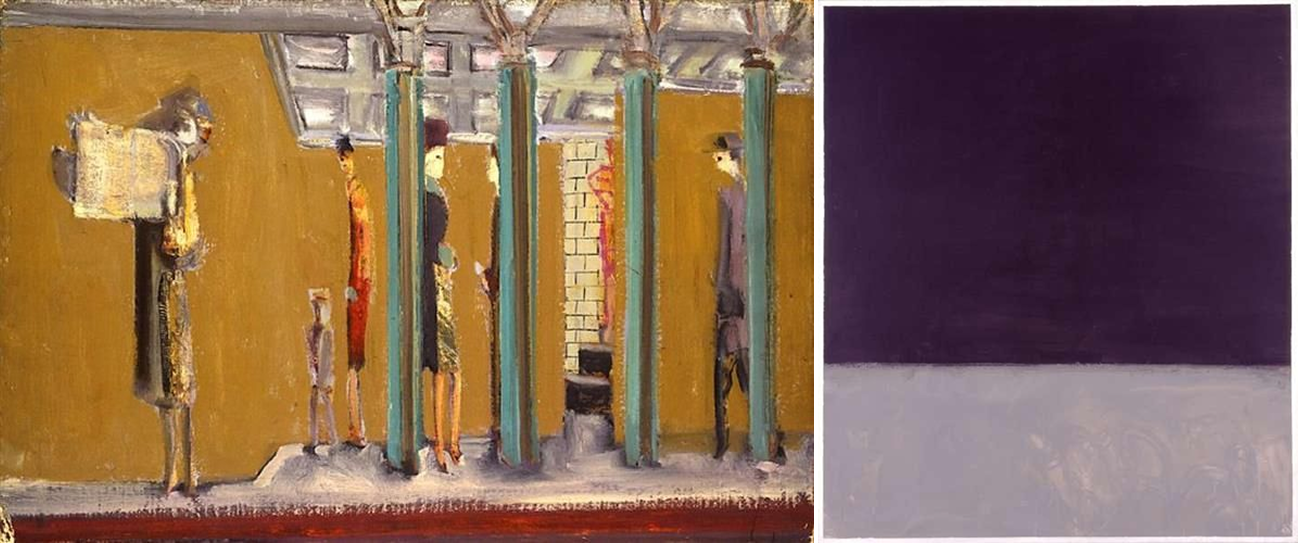
Part of it is psychological. Mark Rothko's late Untitled (Black and Gray) series stripped away the luminous color fields that made him famous, leaving only black and gray — painted during years of heavy drinking, depression and anxiety, about a year before he died by suicide.
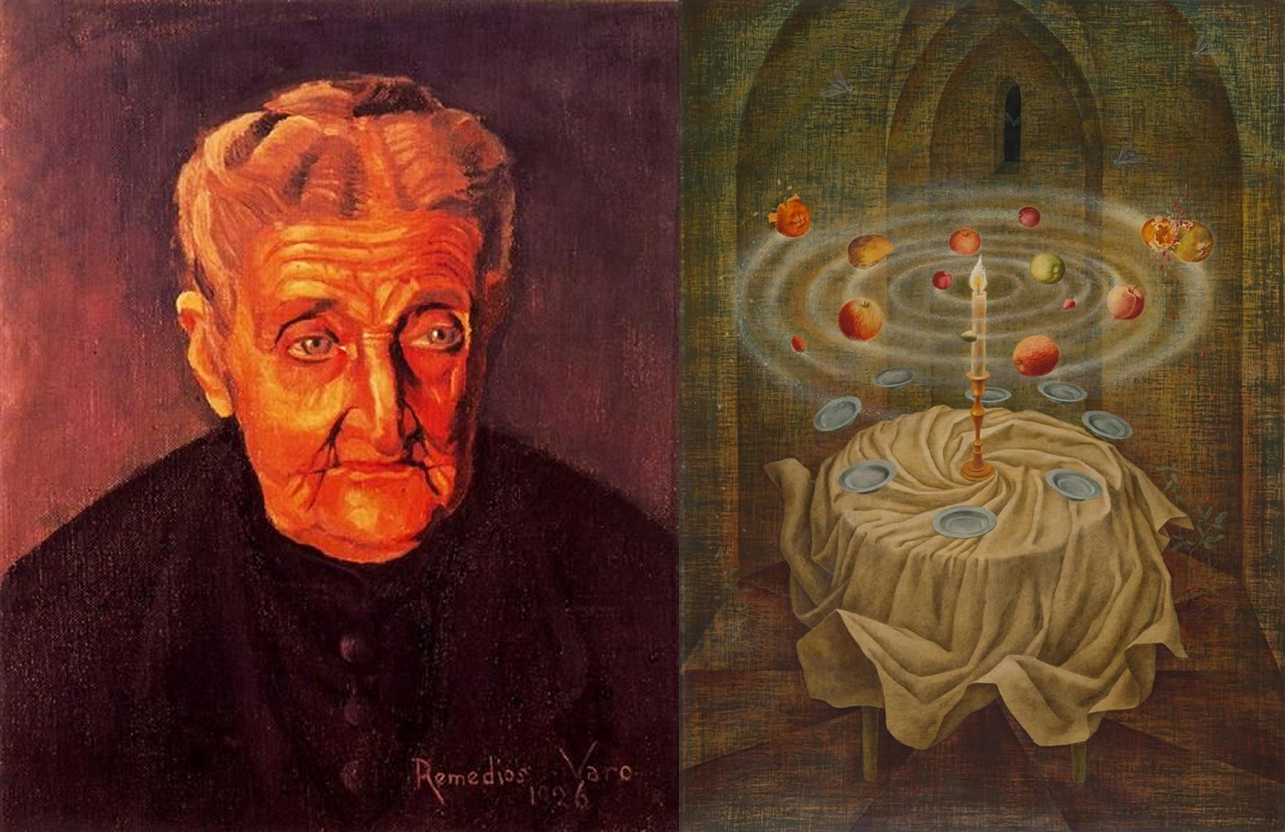
Surrealist painter Remedios Varo's final work, Still Life Reviving, tells almost the opposite story: a tablecloth spins around a candle, sweeping fruit into orbit like planets, seeds scattering to start new life. Varo died of a sudden heart attack months after finishing it; her partner later gave the painting to her mother as a message of comfort. Two artists, two very different ways a life's ending shows up on canvas.
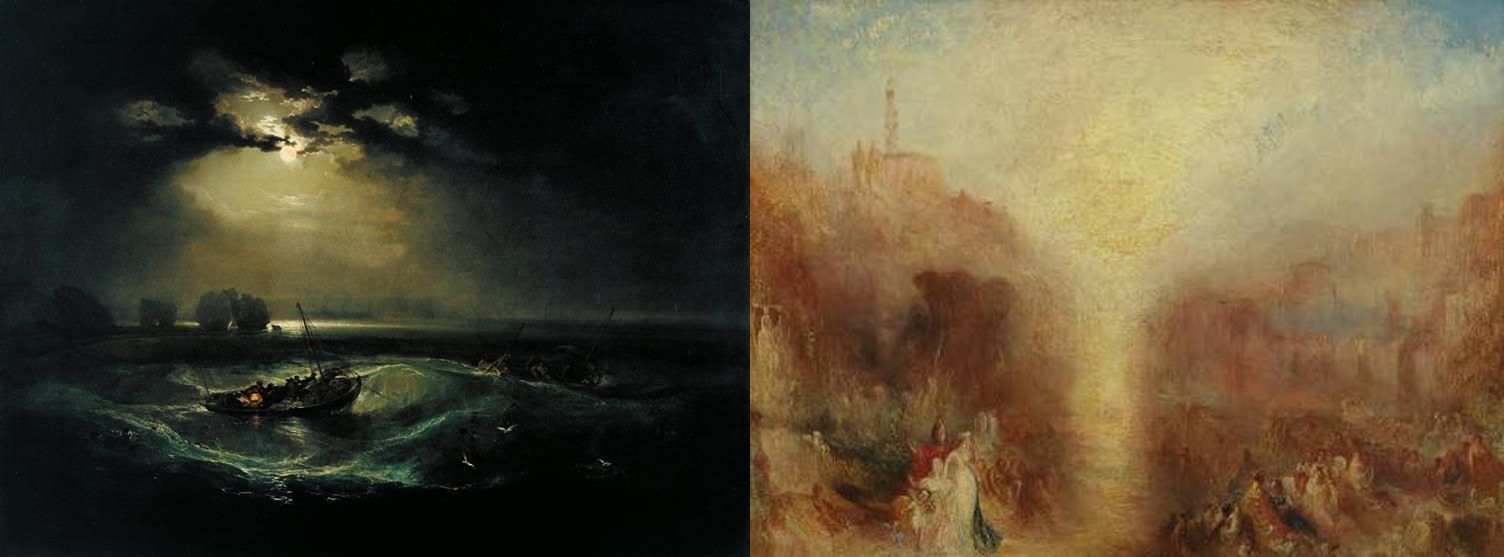
Sometimes the world simply catches up late. Critics mocked J.M.W. Turner's final works as "soapsuds and whitewash," dismissing paintings that dissolved form into pure light and color as the product of a failing hand. But critic John Ruskin defended him as "the father of modern art," and art history eventually rewrote Turner's late period as a direct forerunner of Impressionism and abstraction. What looked like collapse in the moment turned out to be a decade ahead of schedule.
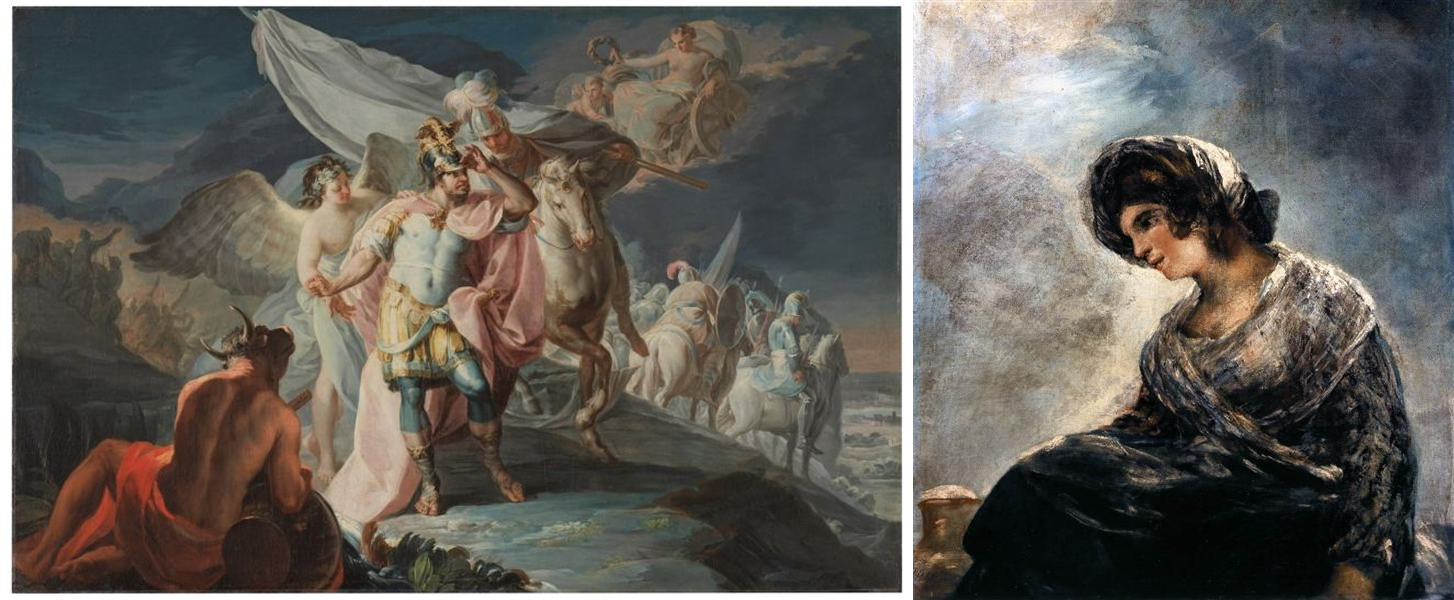
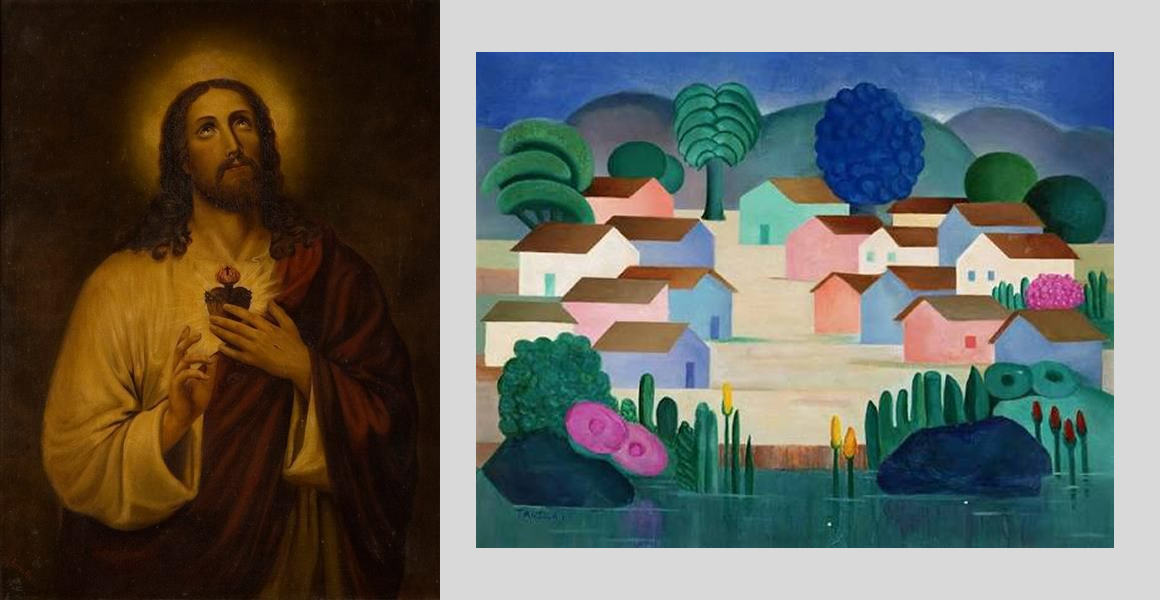
And sometimes the labels "first" and "last" are shakier than they look. One of Goya's final works, The Milkmaid of Bordeaux, is so much brighter and gentler than his famous "Black Paintings" that some scholars have questioned whether it's really his. Even in the comments on this particular post, someone pointed out that a painting titled Landscape with Sixteen Houses actually shows seventeen. Small detail, but it says something bigger: even a single artist's catalogue is still argued over, decades or centuries later.
What these eight careers add up to is a reminder that no single painting explains a person. Between the "first" and "last" works now hanging in museums with price tags attached, there are decades of choices, setbacks and reinvention that rarely make it into the wall text. That's the gap YEATU is built to sit in — not owning one finished masterpiece after the fact, but backing an artist's process while it's still unfolding, whether they're famous yet or not, across every genre and country, so more of these stories get the chance to be finished.