art-culture
Why Kiaf Put a Fashion Designer in Charge — And What It Wants to Change After 25 Years
Why Kiaf Put a Fashion Designer in Charge — And What It Wants to Change After 25 Years
On September 2, COEX in Seoul will once again be filled with art.
Kiaf SEOUL, celebrating its 25th anniversary, and Frieze Seoul, returning for its fifth edition, will open on the same day. Kiaf will bring together 175 galleries from 18 countries, while Frieze Seoul will welcome more than 125 galleries from 30 countries. Major international galleries including Hauser & Wirth, David Zwirner, White Cube, Pace Gallery, and Thaddaeus Ropac will once again make their way to Seoul.
By any measure, these are major events.
But the most interesting thing about Kiaf this year is not the number of galleries taking part.
For the first time in its 25-year history, Kiaf has appointed someone specifically to rethink the experience of the fair itself.
And that person is not a traditional art-world figure.
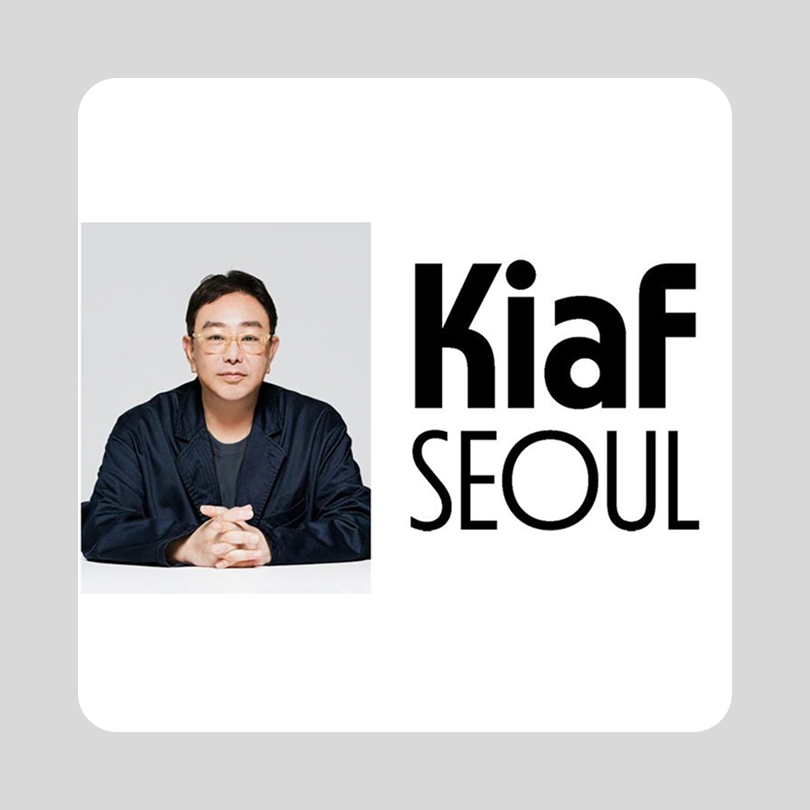
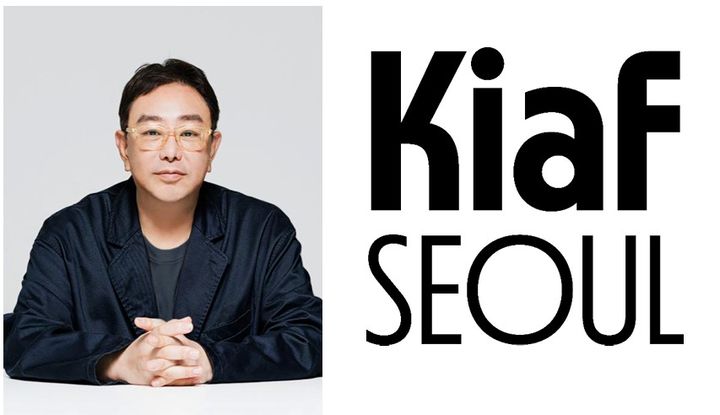
He is fashion designer and creative director Kuho Jung.
Why a Fashion Designer?
Kuho Jung began with his fashion label KUHO, but his career has long extended beyond clothing. Over the years, he has worked across fashion, contemporary dance, ballet, opera, stage direction, and spatial design.
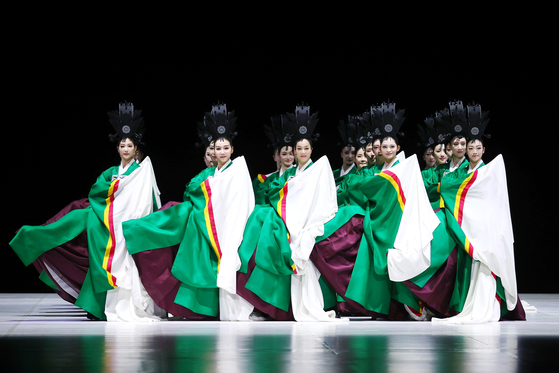
Earlier this year, One Dance, a production he directed for the Seoul Metropolitan Dance Theatre, received recognition at New York’s Bessie Awards, with its choreographers becoming the first from a Korean production to receive the honor.
At Kiaf this year, Jung’s role goes far beyond decorating the exhibition hall.
He is overseeing the fair’s overall creative experience, from visitor flow and spatial design to branding and special exhibitions.
That decision offers a clue as to what Kiaf is trying to change.
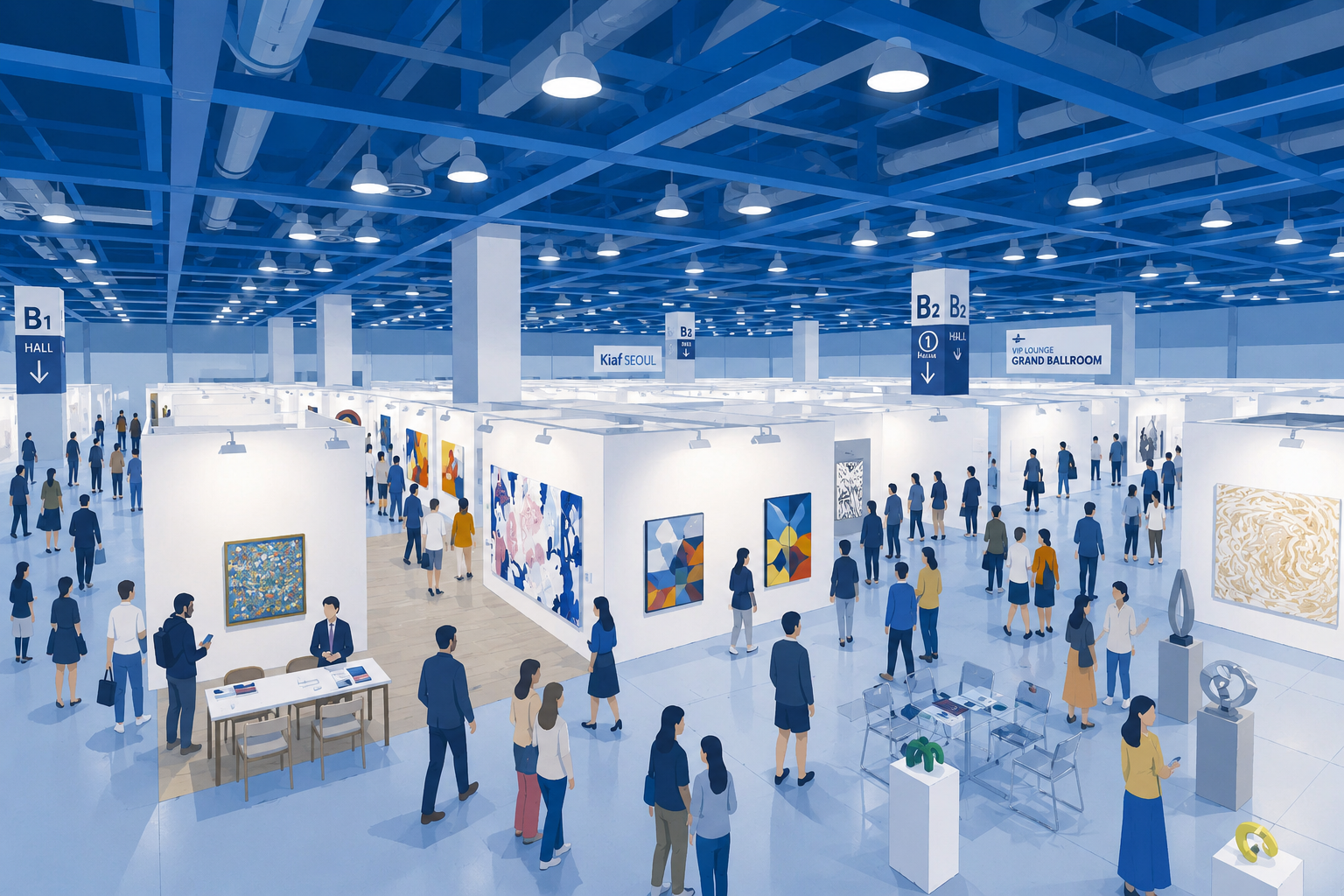
The traditional structure of an art fair is remarkably straightforward. Galleries divide the venue into individual booths, artworks go up on the walls, and visitors move through long aisles from one gallery to the next.
The art changes. The way we encounter it often does not.
Jung is working on that second part: how visitors enter the fair, the order in which they encounter artworks, where they pause, how they move through the space, and ultimately, what stays with them when they leave.
After years of creating stages, he is now turning the entire art fair into one. What Kiaf is redesigning, then, is not simply the exhibition hall. It is the experience of encountering art itself.
Simply Showing Art Is No Longer Enough
There is a reason art fairs are beginning to think more seriously about experience.
The way people discover art has already changed.
Before setting foot in an exhibition, visitors may have already encountered an artwork on Instagram, searched for the artist online, watched videos about an exhibition, or saved images of the venue itself.
Today, the context in which we encounter an artwork can become almost as memorable as the artwork itself.
A similar shift can be seen in Kiaf SEOUL 2026 HIGHLIGHTS.
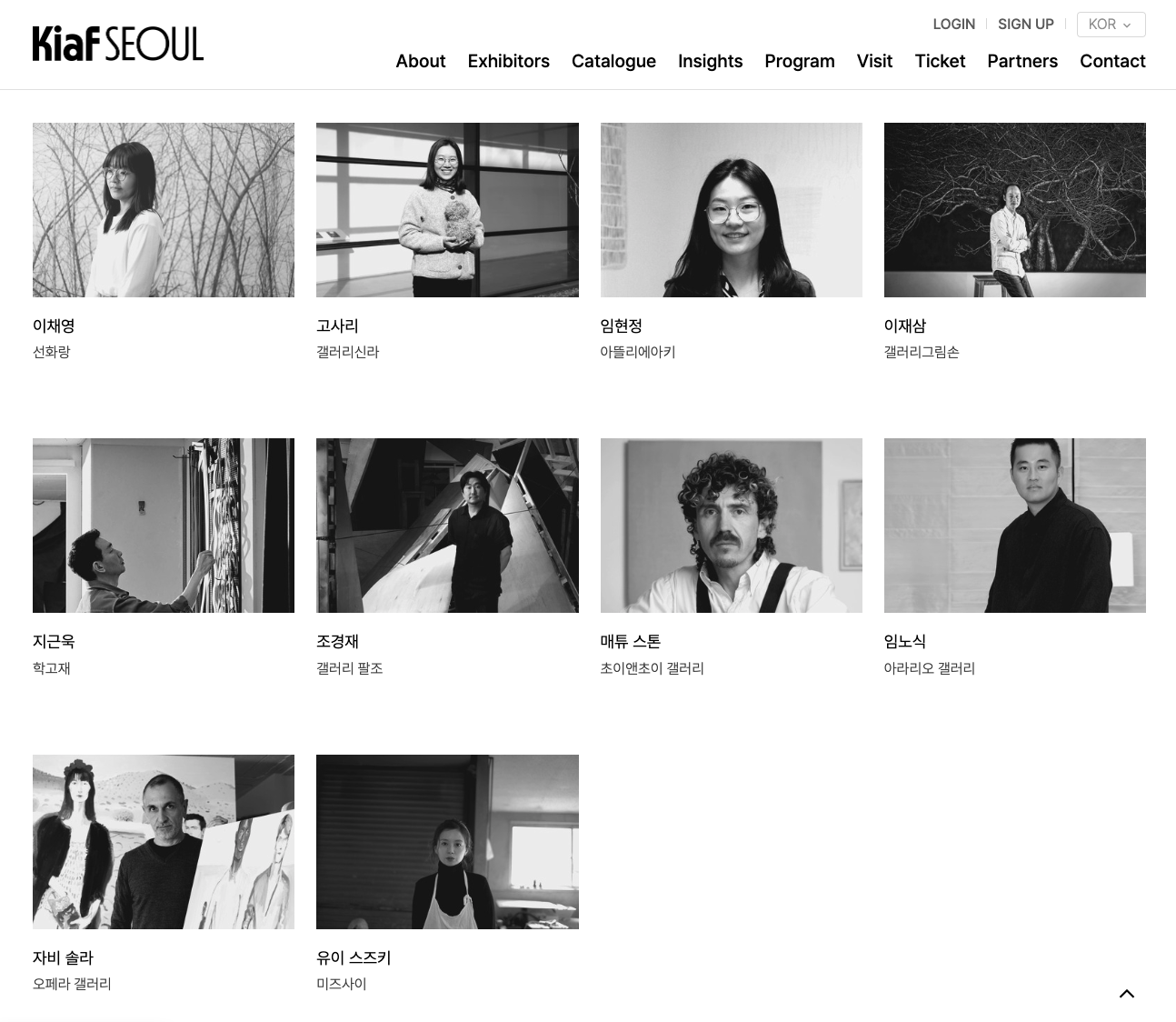
Launched in 2023, the program selects artists deserving closer attention during the fair. While last year’s edition focused on the potential of younger artists, this year turns toward ten mid-career and established artists who have spent decades developing distinctive artistic languages of their own.
The theme for 2026 is “Coexistence.”
Rather than constantly chasing what is new, the program asks visitors to reconsider artists whose practices have developed over time, looking not only at individual works but also at the identities, ideas, and years of experimentation behind them.
If an art fair were simply a marketplace for whatever happens to sell well today, there would be little reason for a program like this to exist.
But art fairs are increasingly being asked to do more than facilitate transactions.
Which artists should be rediscovered? What stories should remain after the fair ends? And what kind of relationship can audiences build with the art they encounter?
The role of the art fair is gradually shifting from a place that simply sells art to a place that helps people discover it.
Frieze Seoul Is Expanding the Field, Too
Kiaf is not the only fair experimenting with how art is presented and discovered.
This year, Frieze Seoul introduces Material Practice, a new section exploring the boundaries between contemporary art and design, alongside Spotlight, which brings renewed attention to under-recognized artists of the 20th century.
Focus, meanwhile, will bring together 16 emerging galleries from across Asia in a newly developed format.
Rather than relying exclusively on famous artists and major international galleries, these sections create reasons for visitors to encounter artists, practices, and galleries that may previously have remained outside their field of view.
What makes this particularly interesting is that Kiaf and Frieze appear to be approaching the same question from different directions:
What kind of art will we discover next?
And Seoul Is at the Center of That Question
There is also a reason these experiments are taking place in Seoul.
Last year, approximately 82,000 people visited Kiaf, while around 70,000 attended Frieze Seoul. Representatives from more than 160 international museums and cultural institutions also traveled to the city.
Sales followed.
A painting by Mark Bradford sold for $4.5 million, approximately KRW 6.2 billion, marking the highest-value transaction since Frieze Seoul launched. Works by Korean artists, including Kim Whanki’s Cloud and Moon, also attracted significant attention from both domestic and international collectors.
More importantly, despite the broader slowdown in the global art market, activity in Seoul was not concentrated solely at the very top end.
Transactions took place across a wider range of price points, while the arrival of new collectors became increasingly visible.
It is another indication that Seoul is no longer simply an Asian stop on the international art calendar.
It is becoming a market where artists, artworks, galleries, and collectors actually meet.
That makes Kiaf’s transformation in its 25th year particularly symbolic.
As a market grows, bringing in more artworks is no longer enough. What matters increasingly is the context in which those works are presented and how they are connected with new audiences.
If Seoul has become one of the important stages of the Asian art market, the next question is how that stage should be built.
From Watching Art to Participating in It
That leads to another question.
If the ways in which we encounter art are becoming more diverse, do the ways we participate in art still have to be limited to viewing and buying?
Some people purchase artworks.
Others visit exhibitions.
Some follow artists online, share their work, or travel across the city to see a show.
And increasingly, there are ways to participate directly in the future of creative work itself.
This is where YEATU begins.
For meaningful art and cultural content to reach the world, creativity alone is rarely enough. Projects need production funding. They need spaces, resources, networks, and people willing to believe in their potential before the finished work exists.
YEATU connects investors with cultural projects across visual art, live performance, film, and other creative fields, helping create the foundation that allows promising projects to move from an idea into reality.
And participation does not have to be limited to famous artists or large-scale productions.
People can discover emerging artists and creative projects that have not yet reached a wider audience, and participate with smaller amounts while following the journey of something they genuinely believe has potential.
Standing in front of an artwork at an art fair and helping make it possible for an artist to continue creating may seem like two entirely different actions.
But they can begin with exactly the same thought:
“I want to see more of this.”
The Ways We Build Relationships With Art Are Expanding
What Kiaf has asked Kuho Jung to do is not simply make the exhibition hall more beautiful.
It is to redesign the process through which visitors encounter art.
Kiaf HIGHLIGHTS asks audiences to rediscover artists who have spent years developing their practices. Frieze Seoul is bringing emerging galleries and overlooked artists into greater visibility.
These developments belong to the same broader shift.
A mature art market is not simply one in which more expensive artworks are sold.
It is one where more artists can be discovered, where more kinds of audiences can participate, and where people are given more ways to build lasting relationships with art.
This September, thousands of artworks will be waiting for new audiences at COEX.
Some visitors will walk past them.
Some will stop.
Some will remember the name of an artist they had never encountered before.
And some may decide to go one step further and participate directly in that potential.
The way we encounter art is changing.Perhaps the way we participate in it can change, too.
YEATU is building that next option.
[Explore Cultural Investment Opportunities on YEATU →]