art-culture
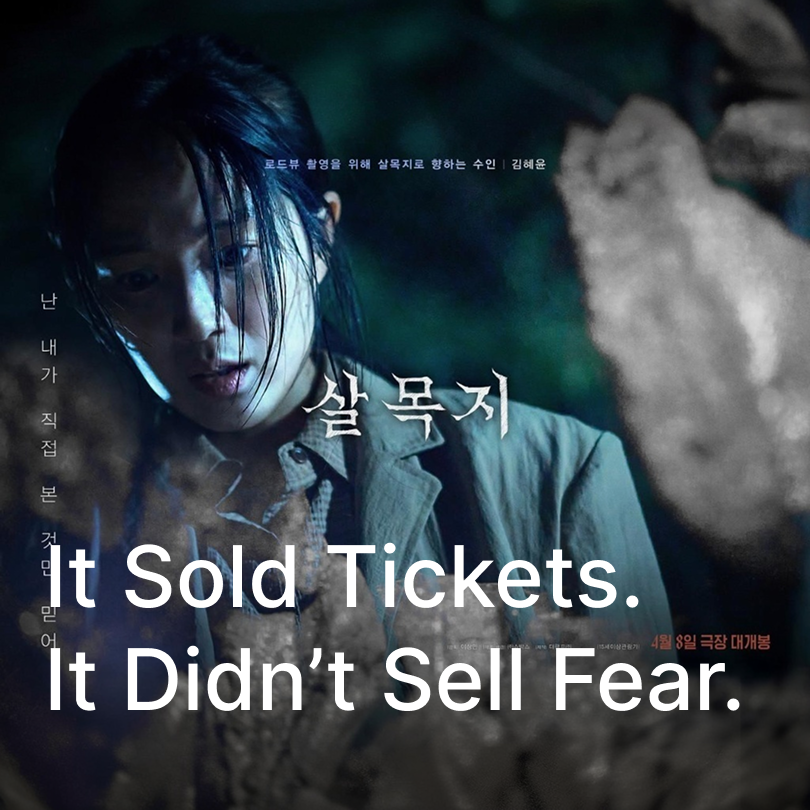
It Sold Tickets. It Didn’t Sell Fear. - Salmokji Movie Review
It Sold Tickets. It Didn’t Sell Fear. - Salmokji Movie Review
Salmokji and the gap between numbers and experience
Why are ghosts scary? Is it because we can’t see them, or because we can’t explain them?
For as long as humans have existed, we’ve imagined what happens after death. Those imaginations turn into stories, stories turn into folklore, and folklore eventually becomes fear. Horror, at its core, is built on what we don’t understand.
The moment we begin to imagine the unseen, we’ve already stepped into it.
Korean horror cinema hasn’t always been mainstream.
It wasn’t until the late 1990s, with films like Whispering Corridors, that local ghost stories and urban legends began to take shape on screen. Later, films like Epitaph and Gonjiam: Haunted Asylum pushed the genre forward, refining atmosphere, tension, and psychological dread.
Today, with the rise of streaming platforms, horror has more room to experiment. Still, it remains one of the hardest genres to get right. It has a loyal fanbase, but breaking into the mainstream is never guaranteed.
And yet, horror keeps coming back. The reason is simple:
People still want to be scared.
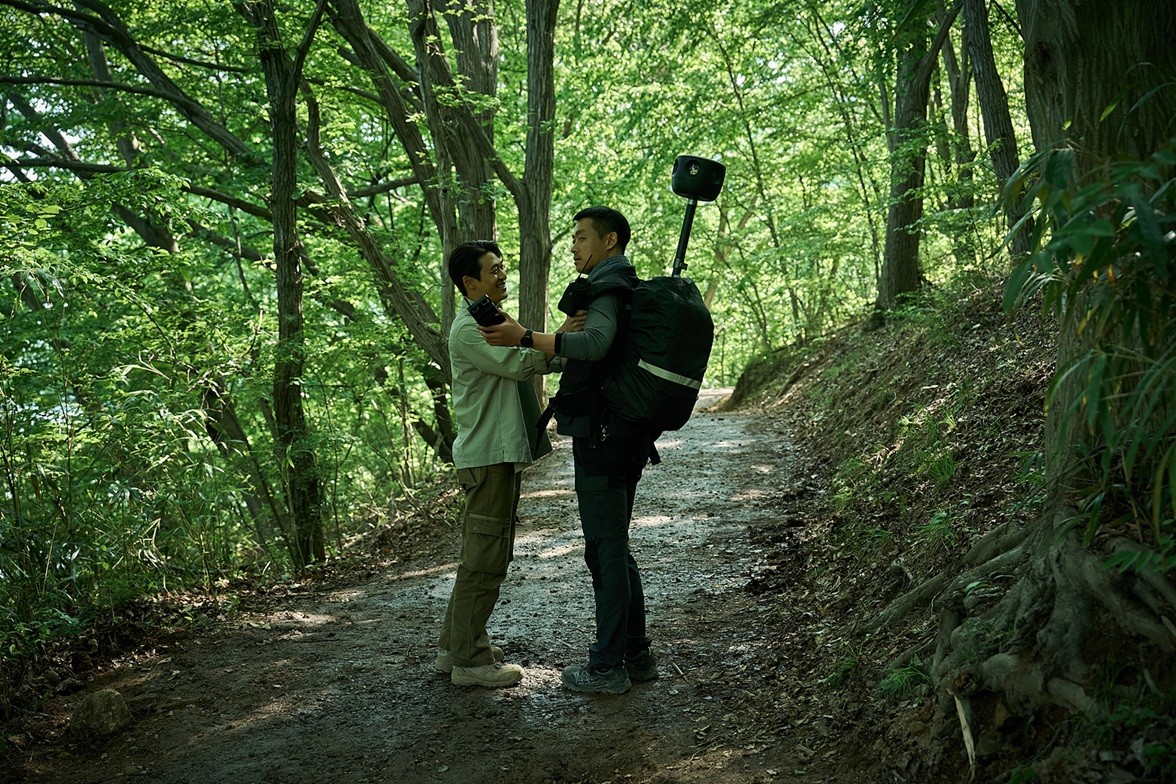
Salmokji clearly understands that instinct.
The film follows a road-view filming crew that ventures into a remote reservoir—an off-limits location surrounded by warnings, rumors, and unease. What begins as a routine shoot slowly unravels into something far more unsettling, as unexplained phenomena begin to surface.
The deeper they go, the harder it becomes to leave. Water spirits. Stone towers. Local folklore. It checks all the boxes of classic Korean horror. And on paper, it works.
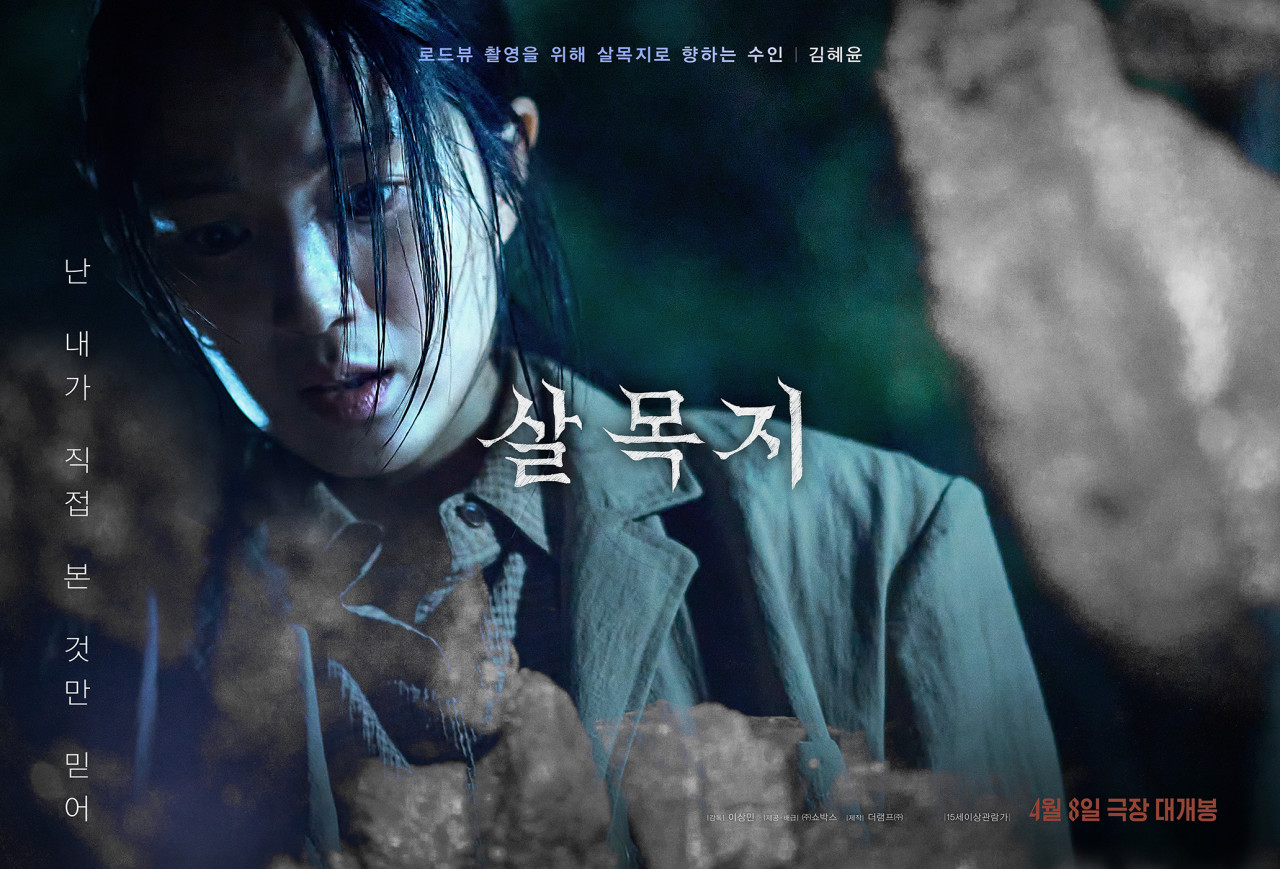
Salmokji (Whispering Water)
Release Date: April 8, 2026
Rating: 15+
Genre: Horror / Thriller
Country: South Korea
Runtime: 95 minutes
Distributor: Showbox
But a compelling premise doesn’t always translate into a compelling film. Because here’s the thing—Salmokji is, by all measurable standards, a success.
It has already surpassed its break-even point of roughly 800,000 viewers. As of now, it’s approaching 2 million admissions and has held the #1 spot at the weekend box office for three consecutive weeks. From a market perspective, this is a clear win.
And yet, something feels off. Which leads to a simple question:
Was it actually scary?
YEATU Review Score: ★★★★☆☆☆☆☆☆ (4/10)
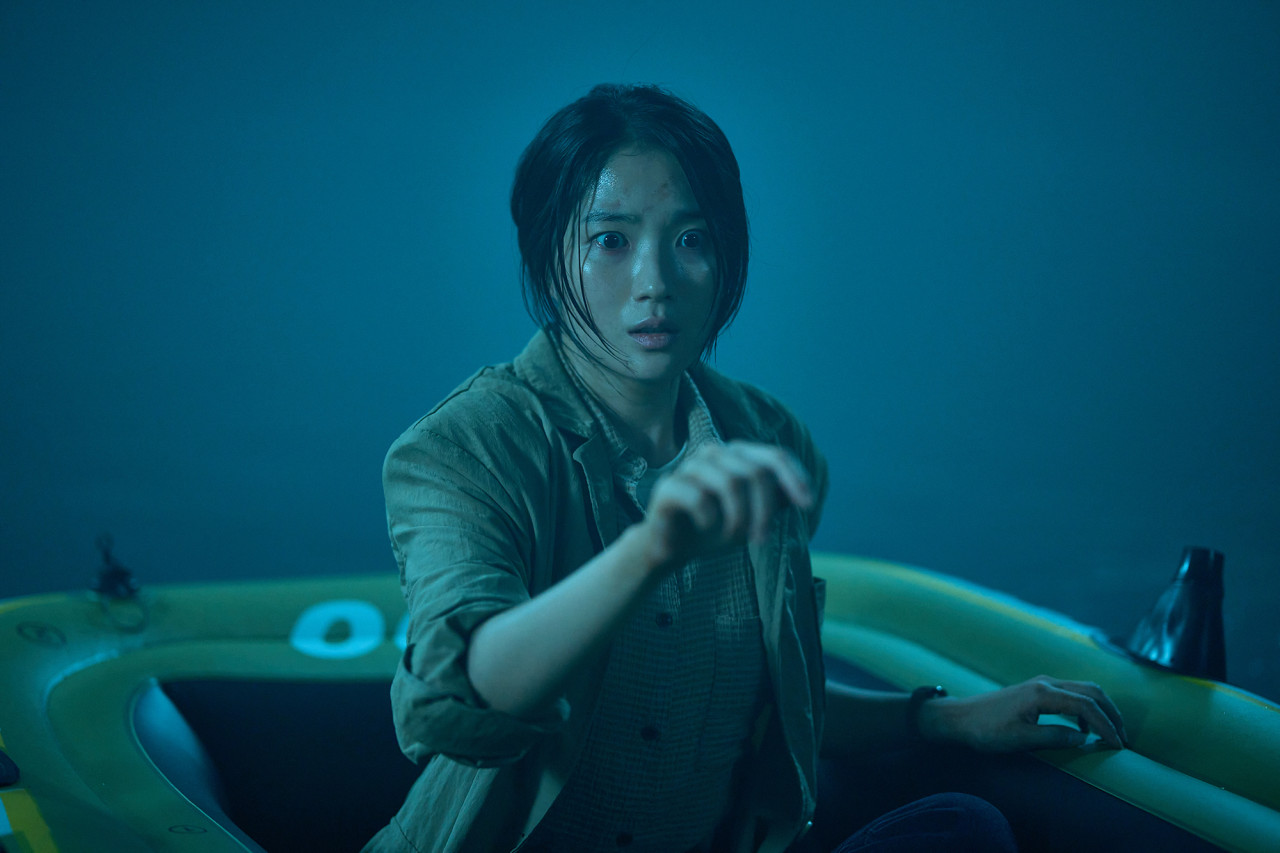
What Salmokji does best is show. What it struggles to do is build.
Horror isn’t just about sudden shocks. It’s about accumulation. Tension slowly tightening, unease creeping in, and fear taking shape before you even realize it.
But this film skips that process. Instead, it leans heavily on jump scares—sudden noises, quick appearances, flashlight glare cutting through the screen.
You do react. You do flinch. But only for a moment.
Because repetition turns surprise into expectation. And once you start anticipating the scare, the fear disappears. What’s left isn’t dread. It’s a pattern.
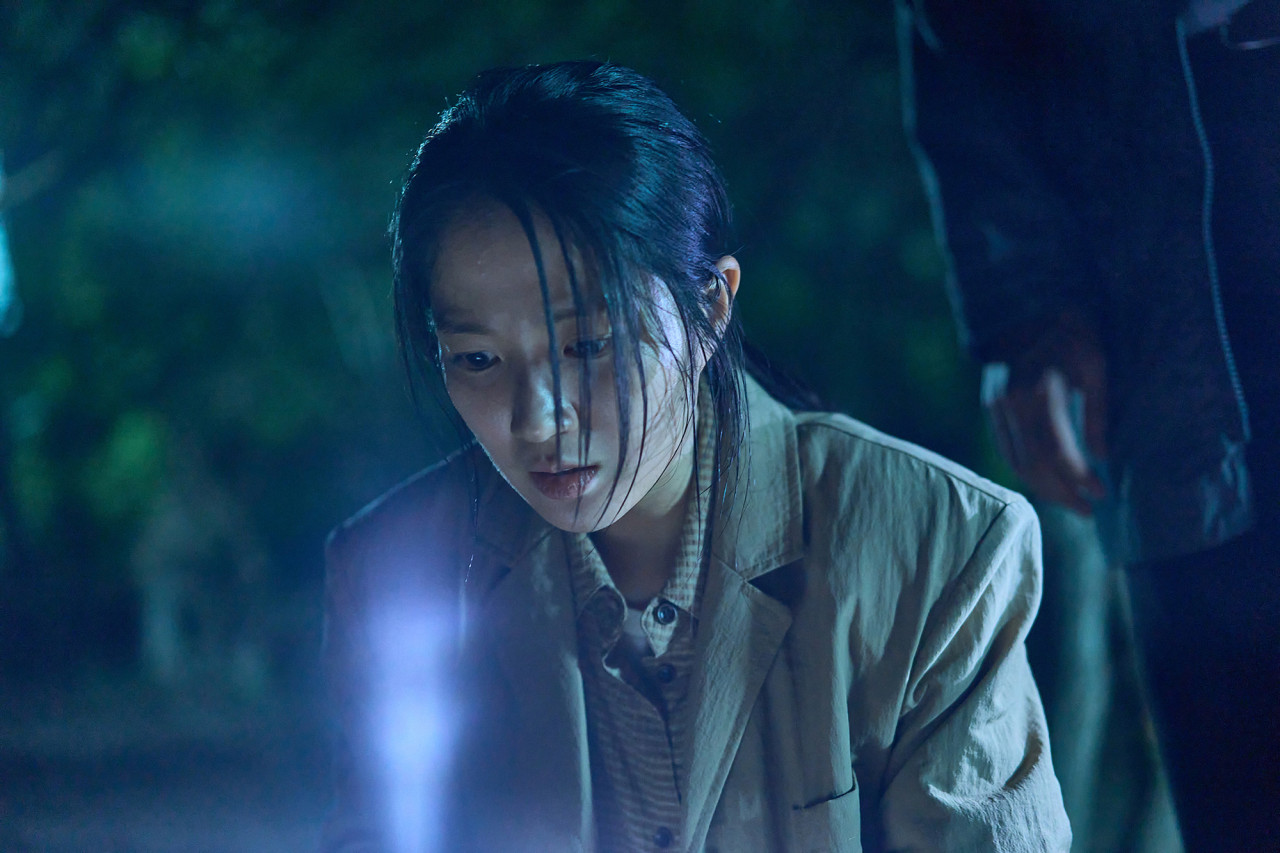
The same applies to its storytelling. Salmokji has a narrative—but it doesn’t leave much of an impression. Character arcs feel underdeveloped. Events don’t fully connect. The ending leans more on ambiguity than resolution.
So instead of remembering the story, you remember fragments. A dark forest. A body of water. A sudden presence. But horror that lingers isn’t built on fragments.
It’s built on emotional continuity. And that’s where the film falls short.
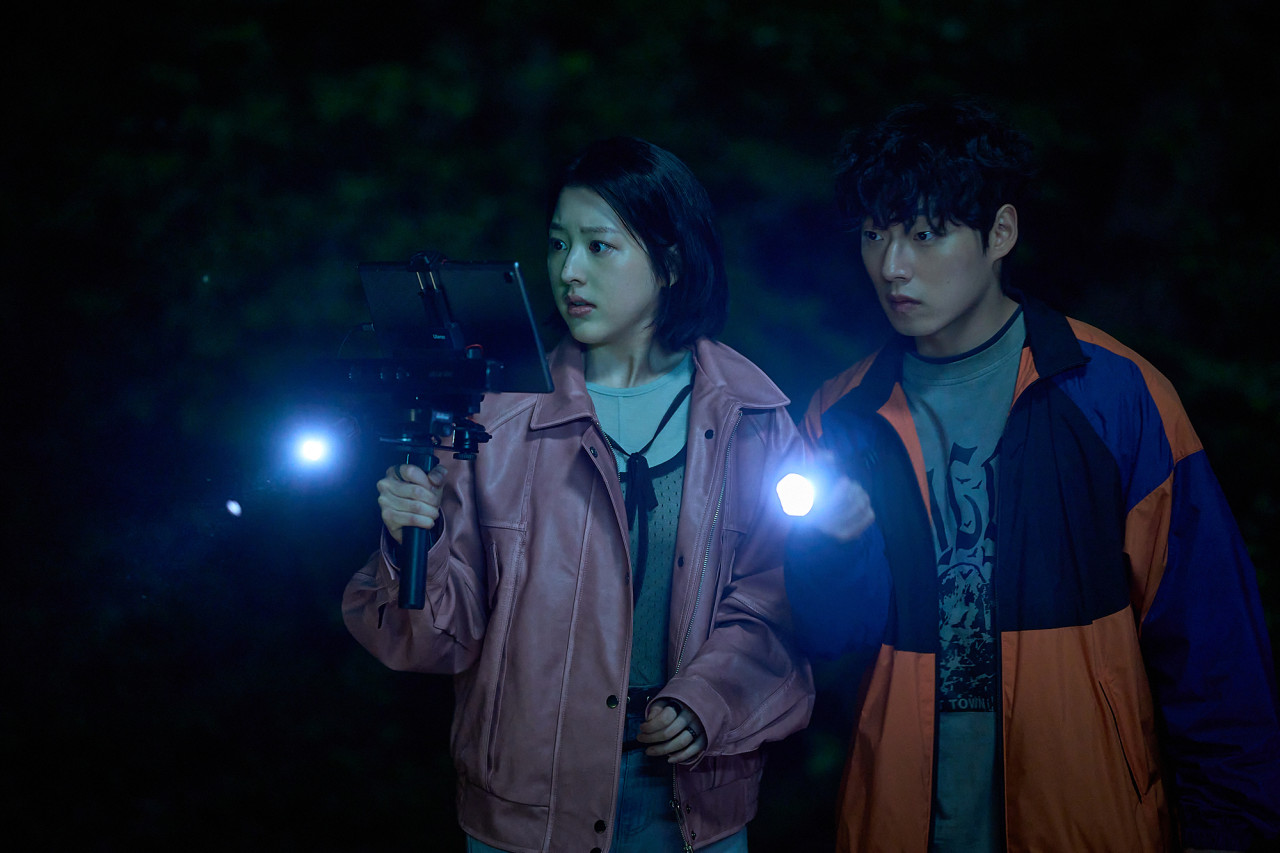
And yet, despite all of this, Salmokji works. Not as a film—but as a product.
Horror films are always in short supply. Audiences are always looking for the next thrill. Social media amplifies reactions, and filming locations turn into real-world experiences.
In fact, the actual reservoir in Yesan, South Korea, has seen a surge in visitors, to the point where access is now restricted overnight due to crowd control.
The film didn’t just stay on screen. It spilled into reality. And that matters. Because it reveals something bigger: This wasn’t just a film people watched. It was a film people consumed.
Which puts Salmokji in an interesting position. It’s not a failure.
There’s intention here. There’s experimentation. The use of space and perspective is worth noting. But when it comes to the fundamentals—emotional tension and narrative depth—it doesn’t quite deliver.
So if you had to sum it up in one line: This isn’t a well-crafted horror film. It’s a well-marketed one.
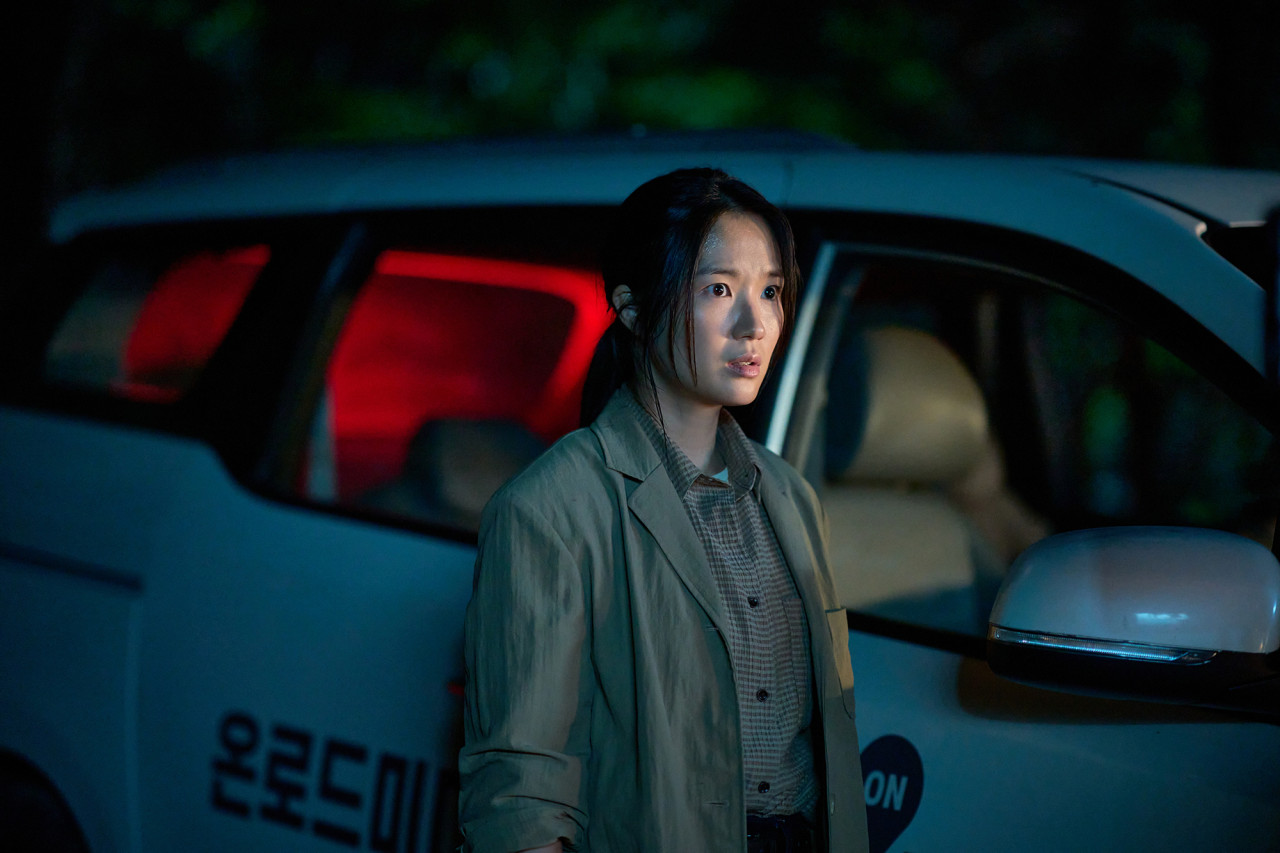
In the end, Salmokji succeeds where it matters commercially. It draws attention. It drives engagement. It creates conversation.
But as a horror experience, it doesn’t fully land. If you go in expecting genuine fear, you might walk out disappointed. If you treat it as a light, consumable thriller, it’s passable.
What it ultimately represents is something more telling than the film itself: The widening gap between hype and experience.
If you’re curious to read more honest film reviews and content insights like this,
log in to YEATU and opt in for marketing updates.
We’ll send you curated articles and newsletters that go beyond the surface—
and get closer to what actually works in today’s content landscape.