art-culture
Scent of a Thousand Years - Jeong Jong Han Solo Exhibition
Scent of a Thousand Years - Jeong Jong Han Solo Exhibition
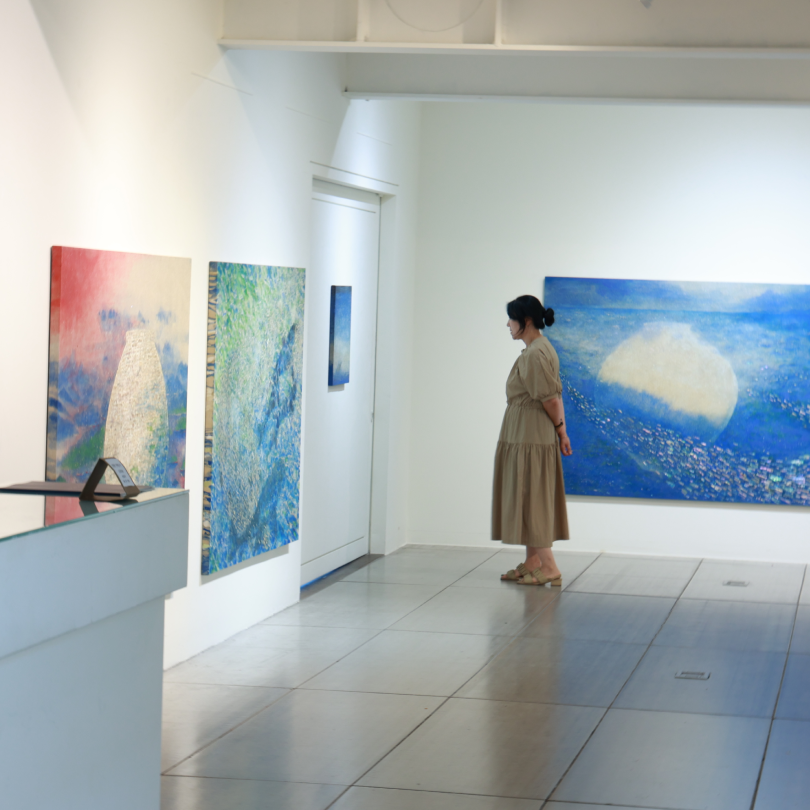
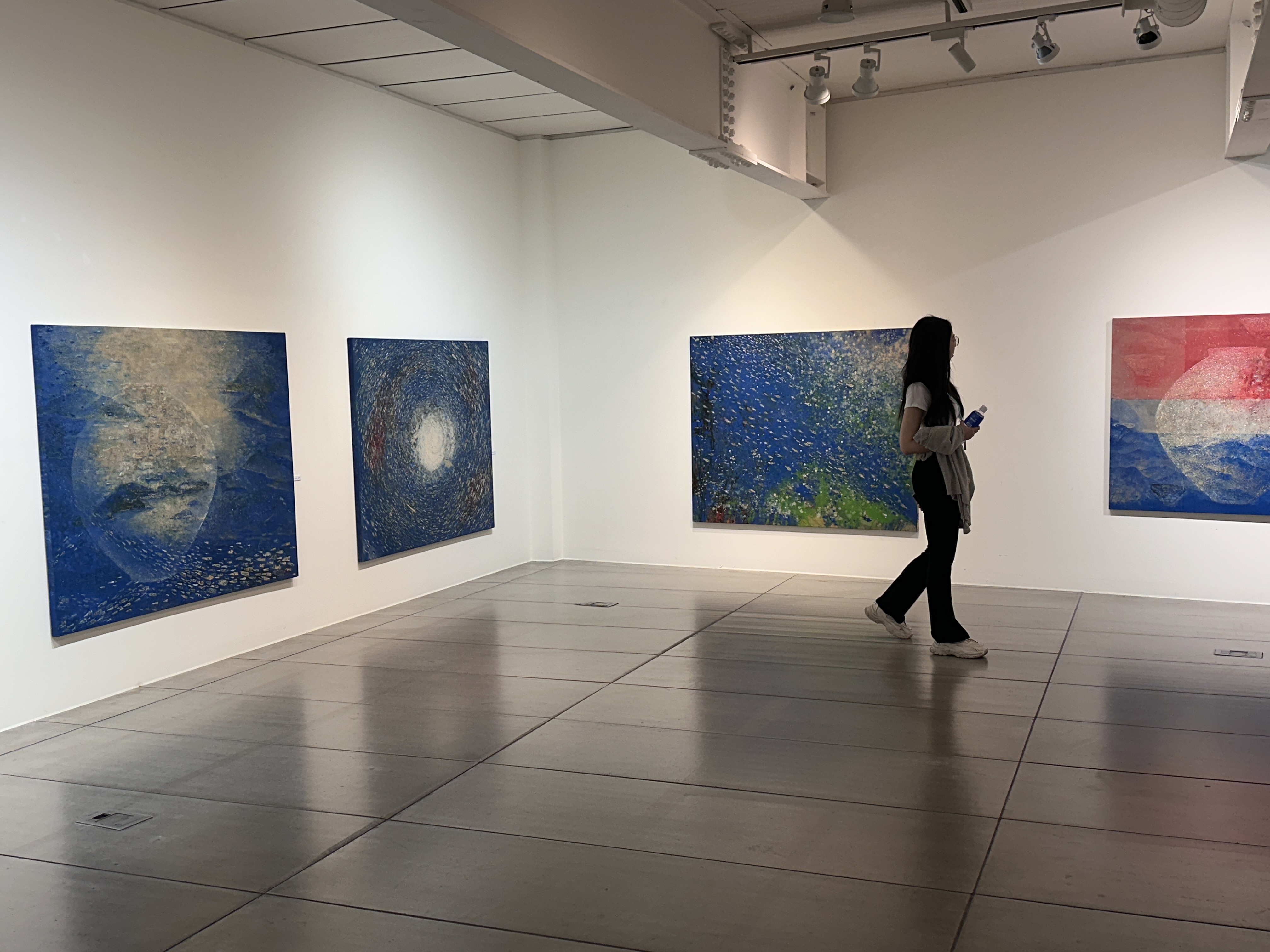
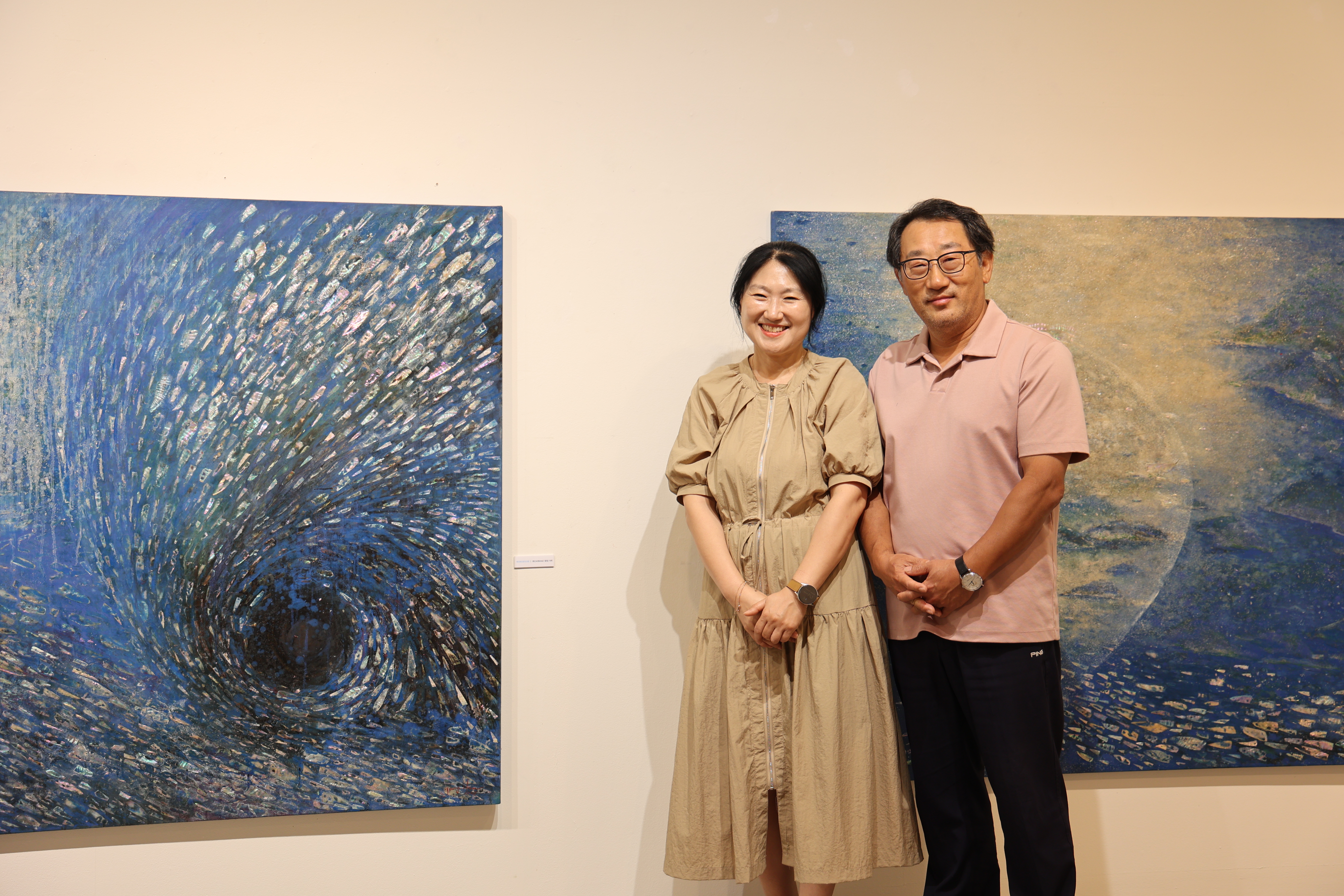
Painting the Sea, One Layer at a Time
Jeong Jong Han Solo Exhibition: Scent of a Thousand Years IV
July 23–28, 2025 | Insa Art Center, Hall 5F
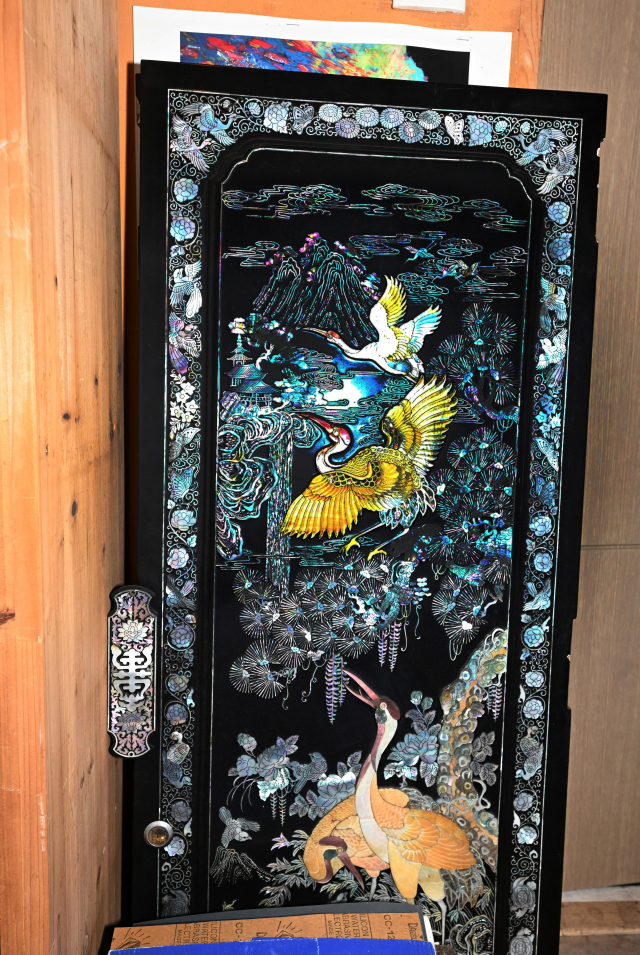
"Every morning, my grandmother would polish her mother-of-pearl cabinet. I’d lie beside her, mesmerized by its shifting colors—silver, blue, sometimes violet." That memory is where it all began for Jeong Jong Han.
Once a symbol of elegance and prosperity in the artist’s hometown of Tongyeong, mother-of-pearl furniture slowly disappeared as modern living took over. Years later, Jeong came across a discarded piece on the street—and took it home. It wasn’t nostalgia that moved him. It was a question:
If we don’t preserve our culture, who will?
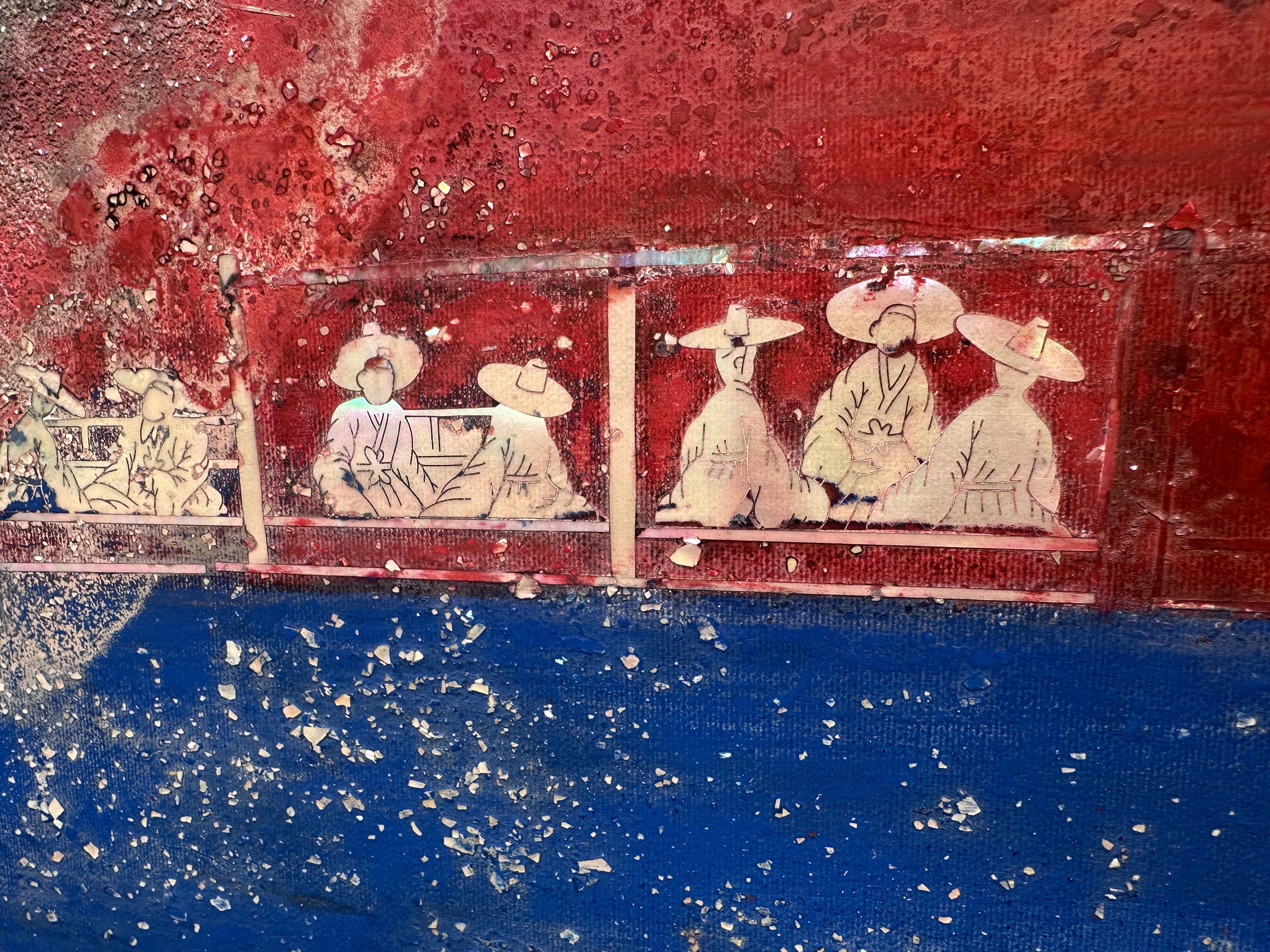
That question became a calling. For the past 20 years, Jeong has worked almost exclusively with lacquer and mother-of-pearl—two of Korea’s most traditional, and most demanding, materials. Each work begins with layers of natural lacquer, applied and dried again and again. Then comes the shell—cut by hand, fused with heat, embedded into the surface like memories in skin.
A Thousand-Year Hue, Revealed by Patience
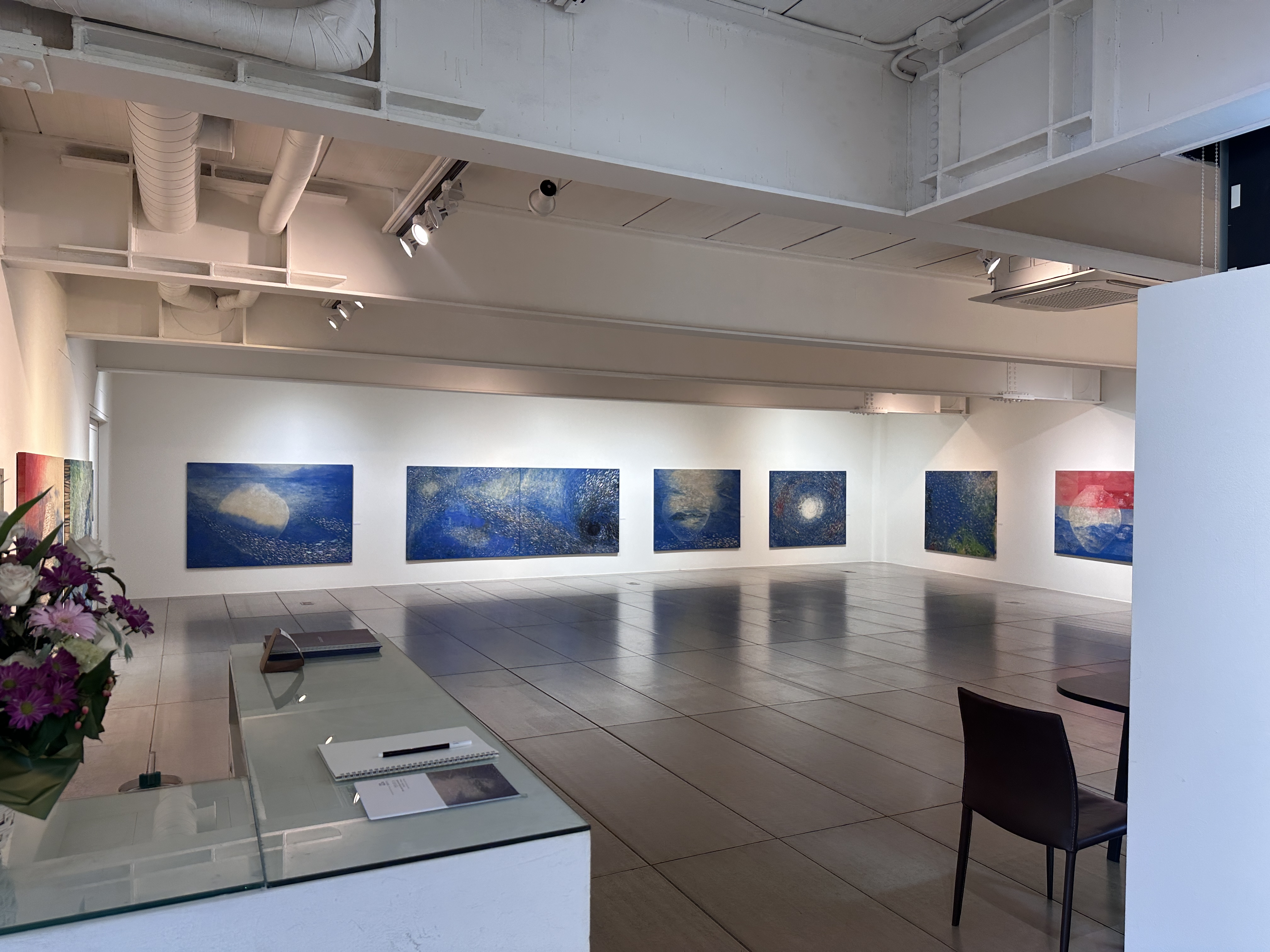
The title of Jeong’s latest exhibition, Scent of a Thousand Years IV, is a quiet nod to the timeless nature of lacquer itself—its color doesn’t fade, even after centuries.
This is his 23rd solo show, featuring 40 works that bring together tradition, memory, and a painter’s unshakable dedication to the materials that shaped his childhood.
Lacquer is notoriously fussy: it dries slowly, reacts to humidity, and requires dozens of coats for depth. Add mother-of-pearl, and the complexity multiplies. Jeong cuts each fragment by hand, applies glue, then uses a heated iron to secure it into place. The result? Surfaces that shimmer—not just with beauty, but with time.
The Sea, the Moon, and a Return to Innocence
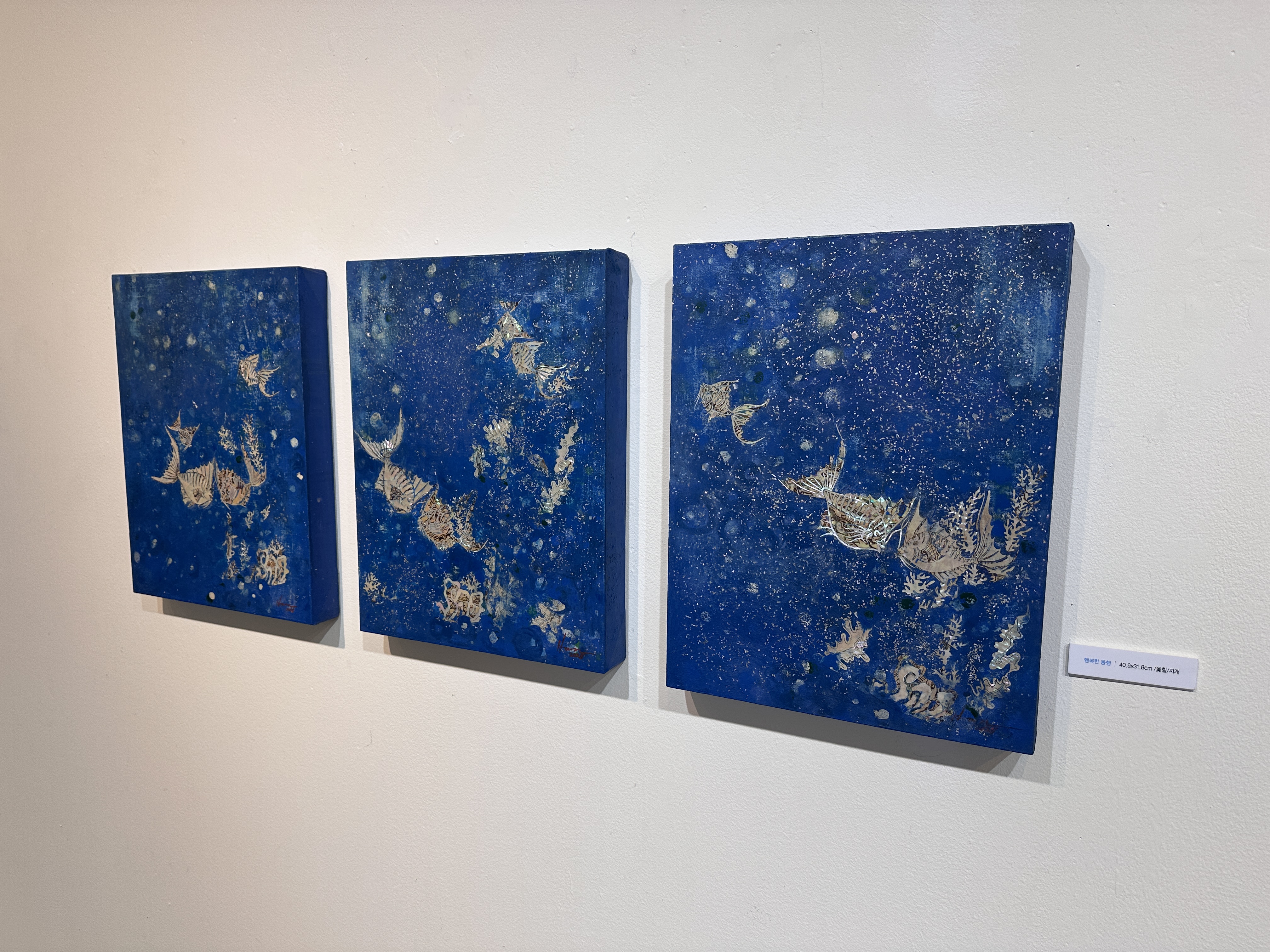
The sea is a recurring presence in Jeong’s work. Raised in a coastal village and now working from a studio overlooking Masan Bay, the ocean has never been far from view—or from mind.
Whales drift through crimson skies. Moon jars glow under fishing boats. Fish swim across panels like dreams he forgot to forget.
"At some point, I realized I was always painting the sea," Jeong says. "It never really left me."
That sea—expansive, ancient, and unpredictable—is both subject and metaphor: a return to childhood, a search for clarity, a longing for the kind of simplicity that only time makes sacred.
Tradition, Reimagined in the Artist’s Own Hands
Though he studied Western painting, Jeong chose to work with Korea’s oldest materials. His studio—a once-abandoned hanok in Masan—is a reflection of that commitment. He restored it by hand, installing mother-of-pearl tiles on the floor and converting a corner into a private gallery.
A salvaged wardrobe door stands against one wall. It’s a relic from that turning point—the day he chose to turn back toward tradition.
He doesn’t keep it for the aesthetic. He keeps it to remember where this journey began.
Why YEATU Is Paying Attention
At YEATU, we believe real value lives in time, patience, and meaning. Jeong’s work embodies all three.
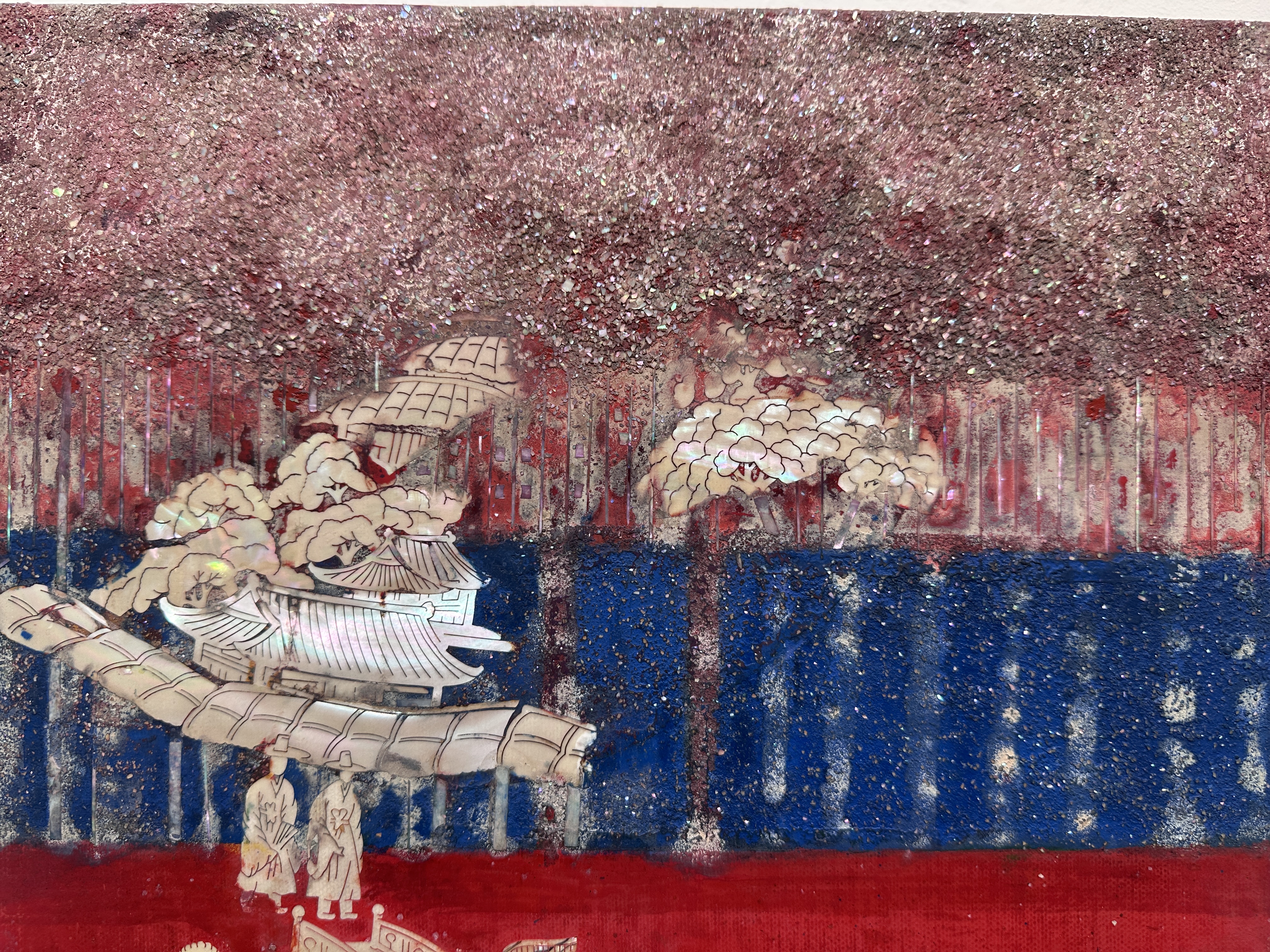
Each piece is rooted in heritage but never trapped by it. His techniques are ancient, but the result is unmistakably contemporary. Nothing is rushed, and nothing repeats. His paintings shimmer with precision, yes—but also with ritual, repetition, and a kind of reverence we rarely see anymore.
"Now, I’m just starting to understand the taste of the sea," Jeong says.
He dreams of painting the waters of Masan Bay—its islands and mountains, its quiet melancholy. His tools may be lacquer and shell, but his real medium is memory—shared, personal, and enduring.
Exhibition Info
Jeong Jong Han Solo Exhibition: Scent of a Thousand Years IV
July 23 (Wed) – July 28 (Mon), 2025
Insa Art Center, Hall 5F
41 Insadong-gil, Jongno-gu, Seoul, South Korea
Editor A’s Note
If “painted with lacquer and mother-of-pearl” sounds like a relic of the past, you haven’t seen Jeong Jong Han’s work.
This is not tradition preserved under glass. It’s tradition, reborn—layered by hand, shimmering with patience, and alive in every brushstroke.