investment-news
Fractional Investing Explained: Why Art Is Becoming the Next Big Asset
Fractional Investing Explained: Why Art Is Becoming the Next Big Asset

Fractional Investing Explained: Why Art Is Becoming the Next Big Asset
Humans see a new investment trend and immediately do the same thing.
“You know it’s a trend these days?”
“Everyone else is doing it.”
And just like that, the cycle begins. Most investment failures don’t come from a lack of information. They come from jumping in without understanding what you’re actually investing in. One of the terms that keeps appearing in today’s investment conversations is fractional investing.
You see it in the news. You hear about it on YouTube. Someone inevitably mentions it on social media. But if you ask most people to explain what it really means, the answer usually gets vague pretty quickly.
So let’s slow it down for a moment and talk about what fractional investing actually is, and why art fractional investing has suddenly become one of the most talked-about areas in alternative assets.
What Is Fractional Investing?
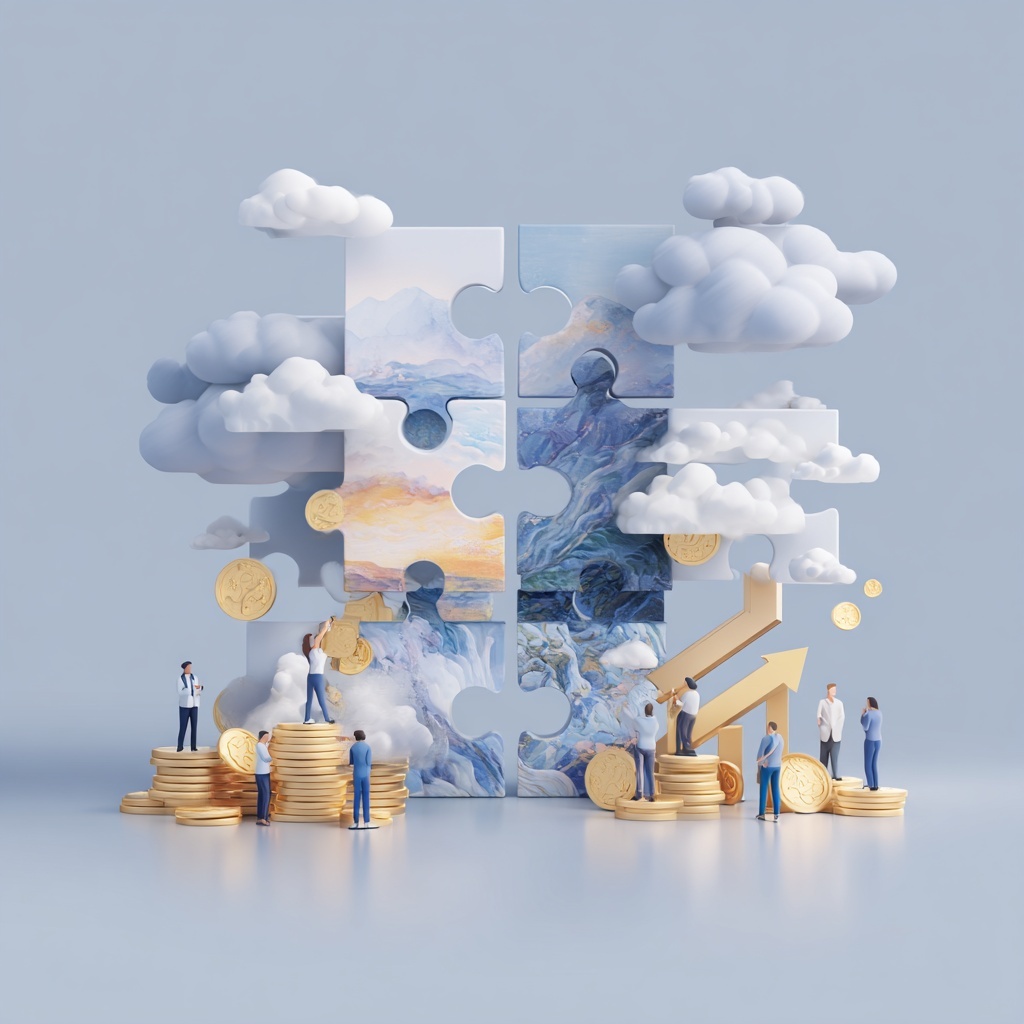
Fractional investing is exactly what it sounds like. Instead of one person buying an entire high-value asset, multiple investors purchase shares of that asset together. The asset is divided into ownership units, and investors participate based on the portion they hold.
Historically, many valuable assets were simply out of reach for most people.
Think about assets like: Fine art, Music copyrights, Real estate, Luxury collectibles, Livestock, Intellectual property, etc.
These markets were traditionally dominated by institutions, collectors, or very wealthy individuals. The entry price alone often started in the tens or hundreds of thousands of dollars.
Fractional investing changes that structure. By splitting ownership into smaller units, it allows a wider range of investors to participate in markets that were once inaccessible.
Returns from the asset, whether through appreciation or income, are then distributed according to each investor’s share. In other words, assets that once required enormous capital can now be accessed through smaller, diversified investments.
Why Fractional Investing Is Gaining Attention
The growing interest in fractional investing reflects a larger shift happening in global finance.
Traditional investment channels like stocks, cryptocurrency, and real estate are increasingly competitive and volatile. Information advantages are shrinking, and markets move faster than ever.
As a result, investors are starting to look beyond traditional financial products and into alternative assets. Fractional investing makes that transition easier.
It lowers the barrier to entry and allows investors to explore new asset classes without committing massive capital.
For many younger investors, particularly those in their 20s and 30s, the appeal is clear:
- The ability to start investing with smaller amounts
- The opportunity to diversify across different asset classes
- Exposure to markets that previously felt exclusive
In simple terms, fractional investing opens the door to markets that were once reserved for a very small group of participants.

The Rise of Fractional Art Investing
Among all the emerging areas within fractional investing, fine art has become one of the most rapidly growing sectors.
Globally, platforms have already begun building infrastructure around this concept. One of the most well-known examples is Masterworks, a platform that acquires major artworks and then sells fractional shares of those pieces to investors. This model has helped reshape how people think about art.
Instead of being seen purely as something to admire in galleries or private collections, art is increasingly viewed as an investment asset.
The same shift is starting to appear in the Korean market. Platforms connected to the art auction ecosystem have begun exploring similar models. Companies such as Seoul Auction Blue, K Auction, and Yeolmae Company have introduced investment structures linked to artwork ownership.

One widely discussed case involved Yayoi Kusama’s iconic “Pumpkin” series, which drew significant attention from investors and the public alike.
Moments like these helped spark a broader realization:
Art doesn’t have to remain confined to collectors and institutions. It can also exist within the world of investment.
A New Approach: The YEATU Platform
More recently, a new platform called YEATU has entered the space with a slightly different perspective.
While many art investment platforms focus solely on the ownership of finished artworks, YEATU expands the concept to include the broader creative ecosystem.
Instead of limiting investment opportunities to completed pieces, YEATU allows investors to participate in areas such as:
- Fine art such as artwork, film, musicals, IP
- Exhibition projects
- Artist development initiatives
This approach treats art not just as a collectible asset, but as part of a larger cultural industry.
For investors, it introduces new ways to engage with cultural markets.
For artists and creators, it opens doors to additional funding and growth opportunities.
The result is a model where investment and cultural production intersect.

When Art Meets Finance
Fractional art investing is about more than simply generating returns. It represents a structural shift in how cultural assets are accessed, funded, and shared.
For centuries, the art market has largely revolved around a relatively small circle of collectors, galleries, and institutions. But technology and new financial models are beginning to change that dynamic. Fractional investing allows more people to participate in cultural assets, not just as spectators, but as stakeholders.
Art, in this sense, becomes something more than a piece on a wall. It becomes part of a broader financial and cultural landscape.
And platforms like YEATU are part of the growing movement exploring how art, culture, and investment can coexist in the modern financial ecosystem.