art-culture
Timeless Tradition: The Contemporary Elegance of Duhyun Hwang’s Art
Timeless Tradition: The Contemporary Elegance of Duhyun Hwang’s Art
Timeless Tradition: The Contemporary Elegance of Duhyun Hwang’s Art
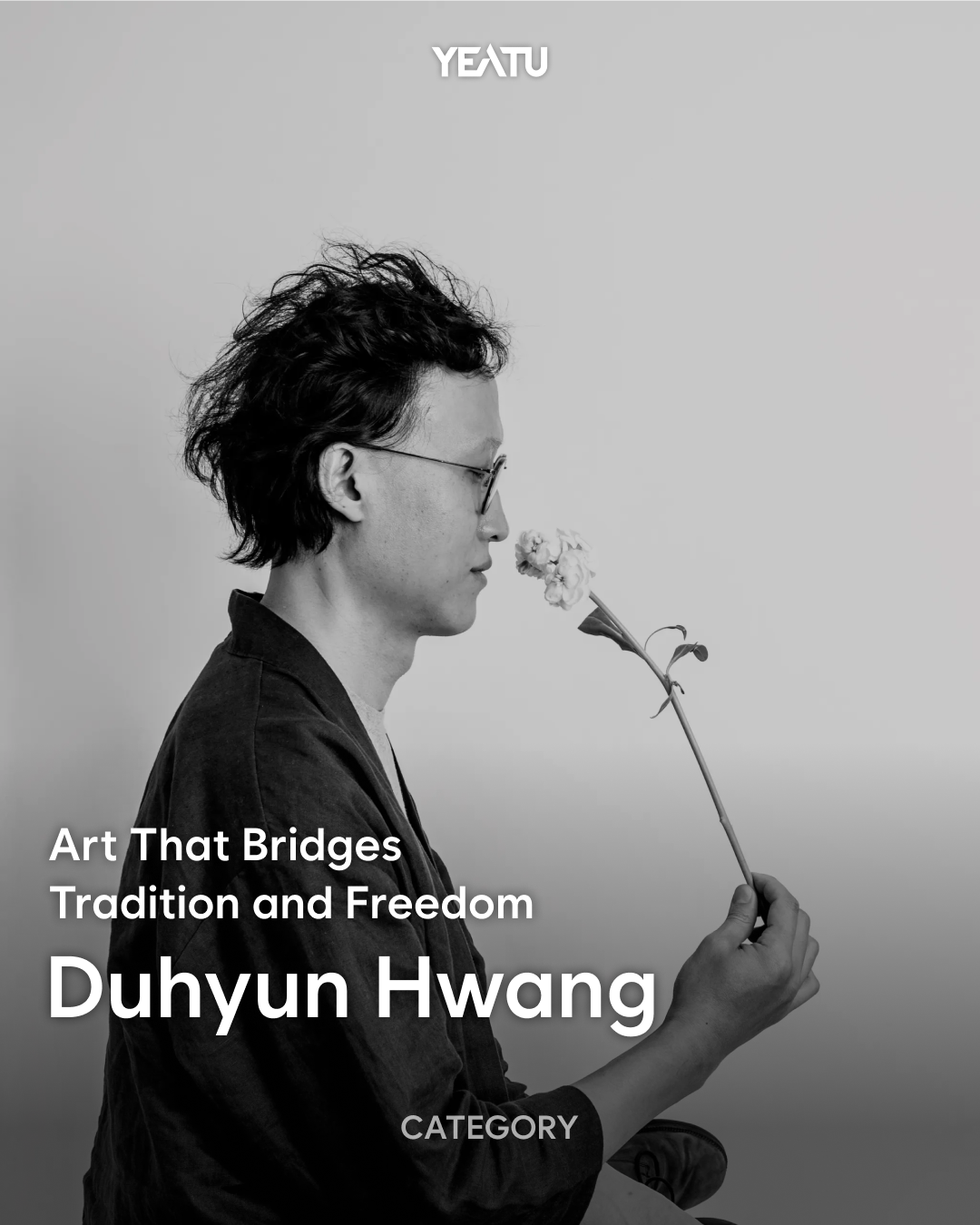
When you think of “tradition,” does your mind conjure up something outdated, rigid, or stuck in the past? Duhyun Hwang challenges that very notion.
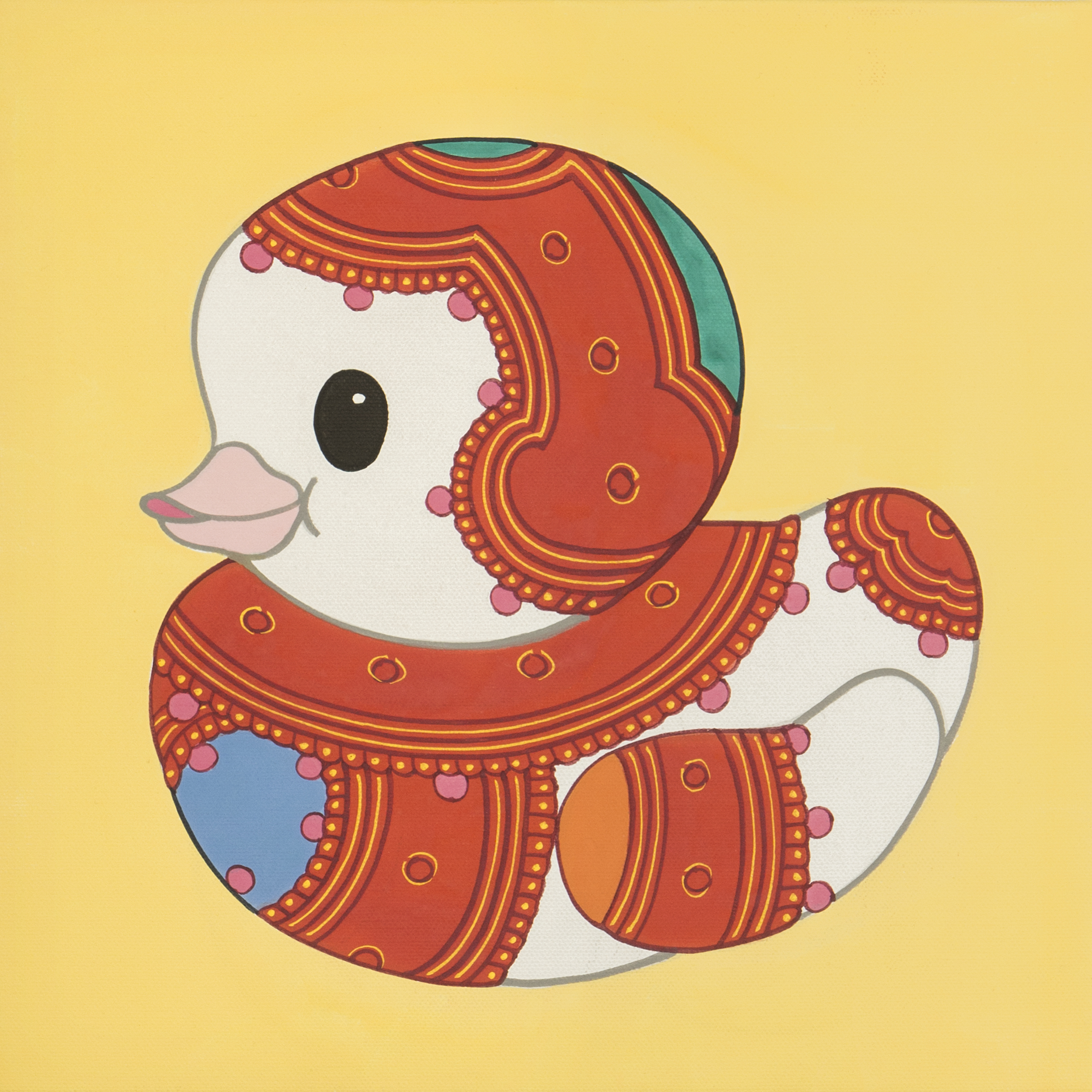
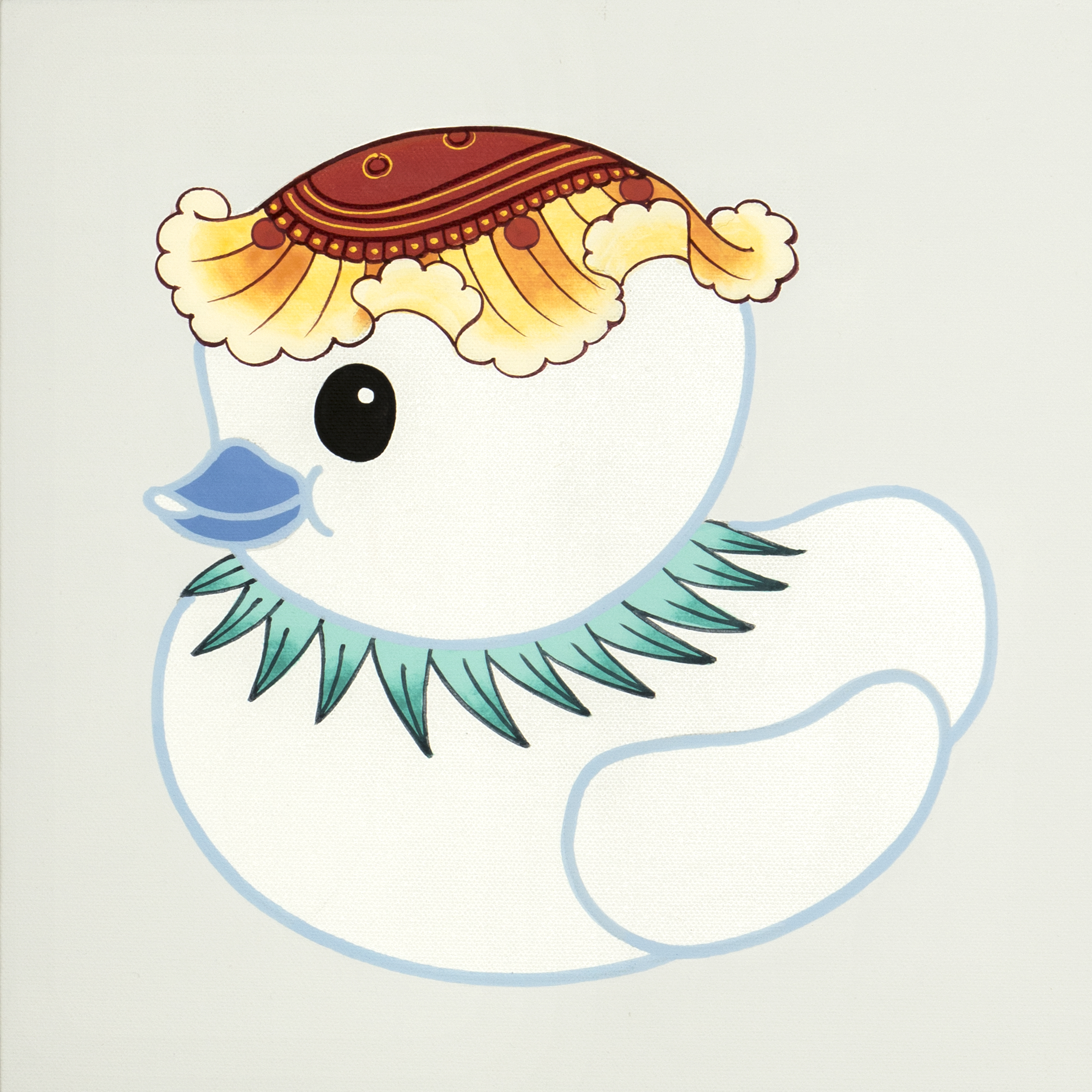
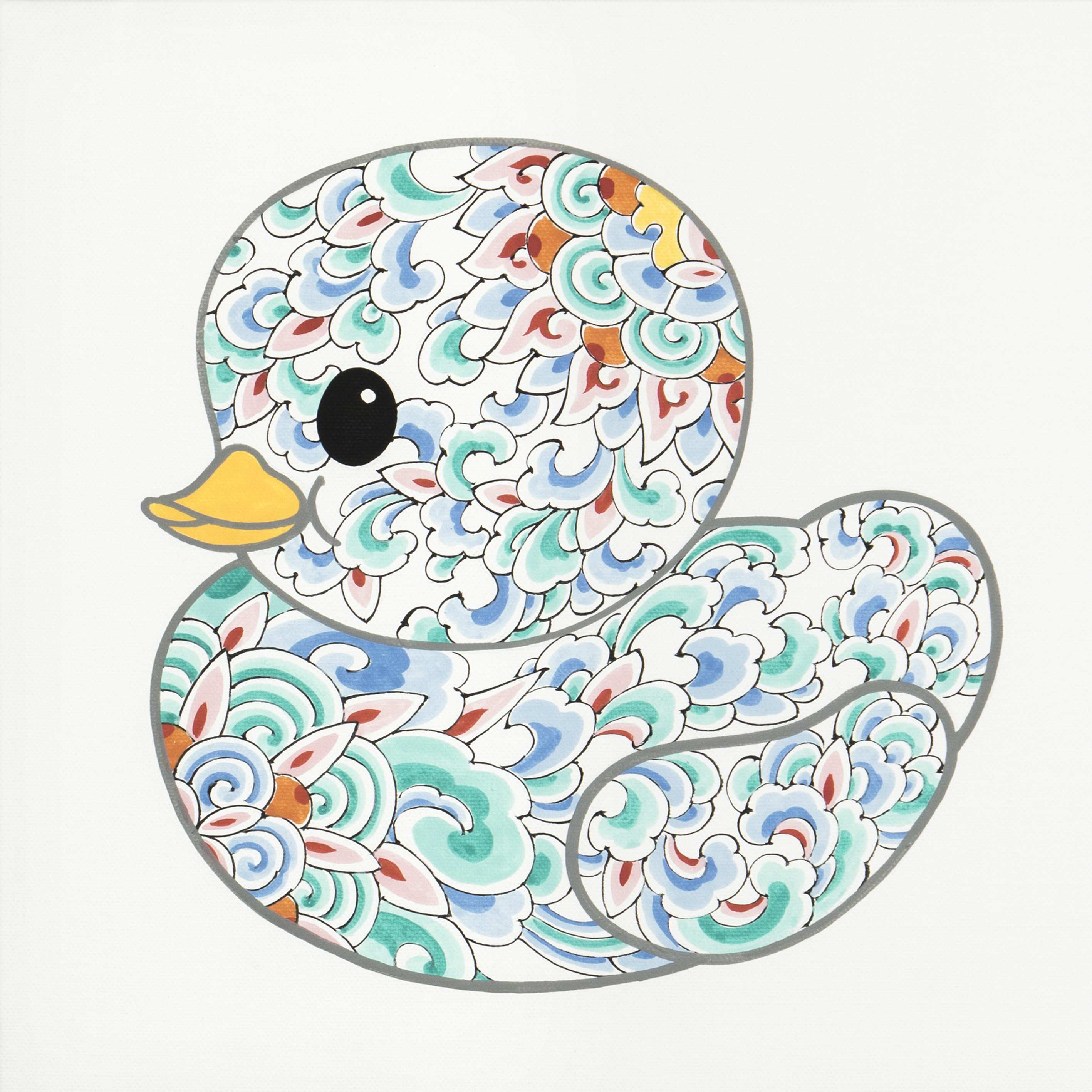
Through his masterful reinterpretation of Bulhwa (Buddhist paintings) and Dancheong (traditional Korean decorative coloring), he bridges history and modernity, preserving the essence of tradition while transforming it into an entirely new visual experience.
His art boldly asserts one powerful idea: tradition is sophistication.
Tradition Meets an Unexpected Canvas
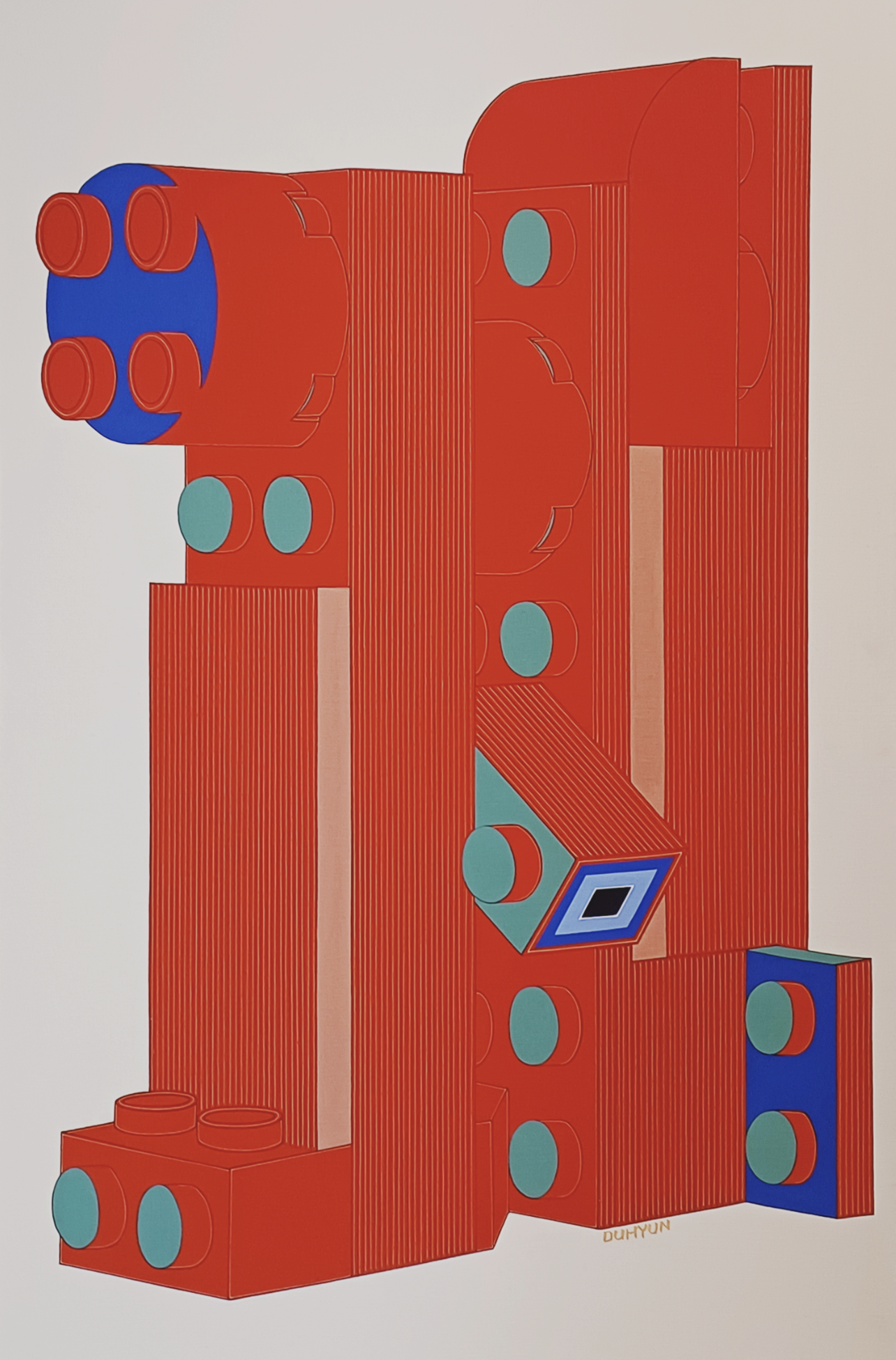
One of Hwang’s most striking experiments is painting intricate Bulhwa patterns onto LEGO bricks—a playful yet radical departure from tradition. This unconventional medium shatters the boundaries between past and present, fine art and pop culture, allowing audiences to view tradition through an entirely new lens.
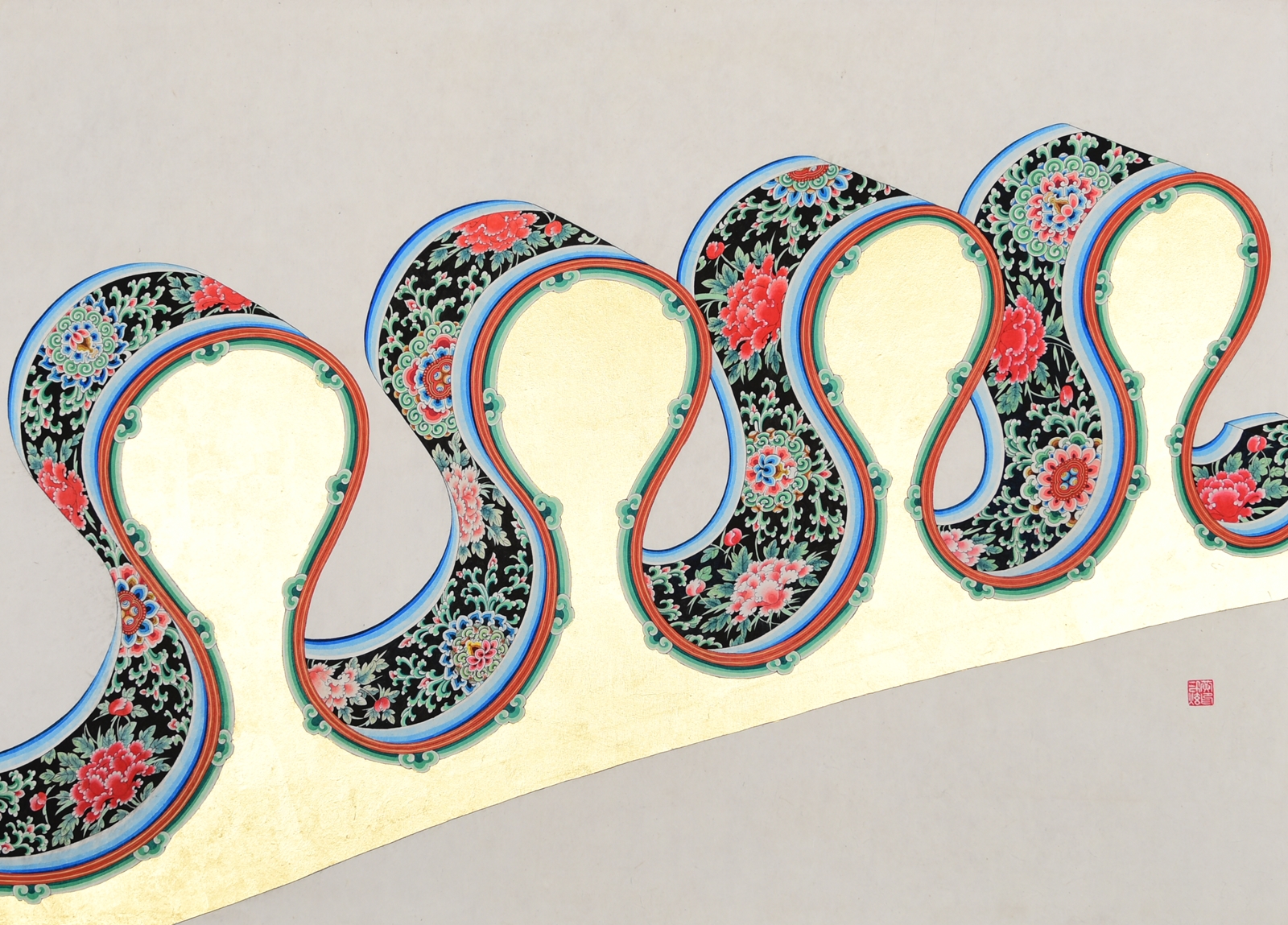
His color choices are unmistakable—deep reds, shimmering golds, and bold blues weave together a mesmerizing tapestry, evoking both mysticism and grandeur. But what makes his work exceptional is more than just color. The design logic of traditional Buddhist paintings—the harmony of chaos and order, complexity and simplicity—takes center stage in his compositions.
Viewers often find themselves caught off guard:
“Wait… this is Buddhist art?”
“I never knew tradition could feel this fresh.”
By seamlessly blending the old with the new, Hwang’s works transcend their religious origins. They are no longer mere icons of faith but rather open-ended canvases for personal interpretation—art meant to be experienced, not just observed.
The Art of Arrangement: Finding Harmony in Contrast
Hwang isn’t just painting traditional motifs; he is deconstructing and redesigning their very essence. What fascinates him most about Bulhwa is the art of placement—the deliberate balance between color, space, and form.
"Cool and warm tones collide, vast spaces contrast with confined details, and intricate patterns play against empty voids. This contrast itself is a kind of order."
This meticulous attention to composition and spatial balance makes his work feel not only aesthetically rich but also refreshingly modern. His paintings read like masterfully crafted designs, drawing the viewer into their precise yet organic structure.
A Dialogue with Time—and a New Challenge Ahead
In his previous works, Hwang focused on time, etching layers of memory and history into his paintings. But now, his attention has shifted toward movement and action. Instead of capturing static moments, he’s exploring new techniques like "chasing" and "scratching" to depict dynamic energy within his compositions.
And he’s setting his sights even higher:
"One day, I want to create a large-scale Buddhist mural."
The idea of expanding his intricate details onto an architectural level is both an artistic and technical challenge—one that could redefine how traditional art is perceived in a contemporary setting.
Reinterpreting Tradition, Liberating the Viewer
To Hwang, art is not about dictating meaning; it’s about creating space for personal interpretation.
"I’m letting go of the idea that art must convey a specific message. I want the audience to feel free."
As he continues to push the boundaries of what Bulhwa can be, his journey is far from over. Through his work, tradition is not just preserved—it is reborn, sophisticated, and endlessly inspiring.
A modern take on Buddhist art, a fresh approach to heritage, and a new way to see tradition—Duhyun Hwang is only getting started.