art-culture
“That’s It?” — Why Everyone Leaving Michael Is Already Waiting for Part 2
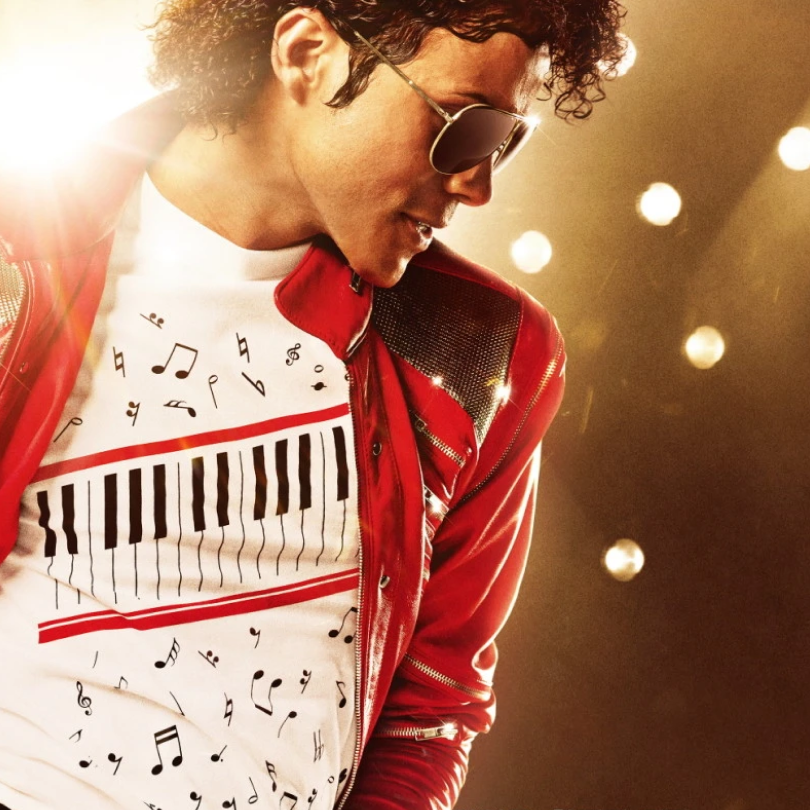

“That’s It?” — Why Everyone Leaving Michael Is Already Waiting for Part 2
Watching Michael feels strangely incomplete.
The performances are incredible. The music hits hard. The atmosphere is electric. And yet when the credits roll, one thought keeps lingering:
“So… when does the real Michael Jackson story begin?” Released on May 13, 2026, Michael instantly split audiences in half. Some people walked out amazed.
“This absolutely needs to be seen in theaters.”
“The performance scenes are insane.”
“Jaafar Jackson is terrifyingly accurate.”
Others were much colder.
“It’s all style, no depth.”
“The most important parts are barely explored.”
“If you’re expecting Bohemian Rhapsody, you’ll probably leave disappointed.”
The strange thing is… both sides are right. This movie has genuinely breathtaking moments.
But at the same time, it feels oddly hollow. It recreates Michael Jackson the performer almost perfectly, while carefully avoiding Michael Jackson the human being.
Honestly, Michael feels less like a biopic and more like a massive tribute concert.
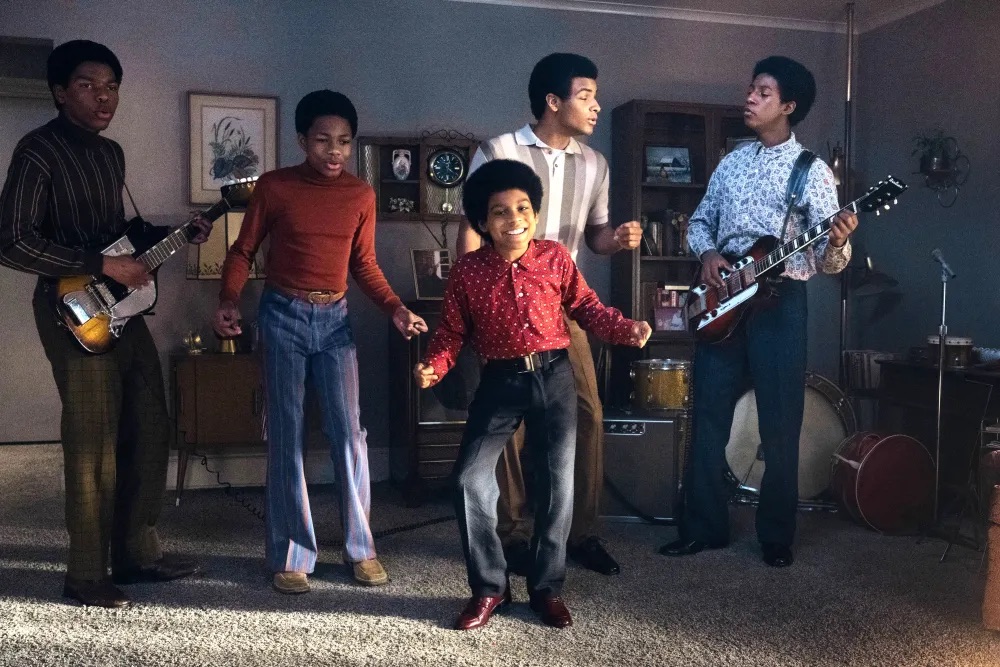
The theater experience is genuinely incredible
This part deserves credit. The performance scenes are fantastic. The second the bassline from “Billie Jean” kicks in, the theater changes. “Beat It” starts playing and suddenly the room feels bigger. The Jackson 5 scenes almost feel like time travel.
What makes the movie work is that it doesn’t rely purely on nostalgia. It taps into memory.
The era when Michael Jackson music played in clothing stores. When everyone tried to moonwalk at least once. When seeing him on TV actually felt like watching someone larger than life. That atmosphere comes flooding back. And audiences clearly felt it too.
“The rehearsal and stage scenes absolutely belong in theaters.”
“The movie is basically a nonstop stream of legendary songs.”
“It feels like a concert.”
That part is real. And Jaafar Jackson deserves a lot of praise here. At first, it honestly sounds like stunt casting. “Nephew playing Michael? Sure.” But after a while, you stop thinking about it.
The posture. The hand movements. The head tilts. The eye contact. You can tell he studied Michael obsessively. Sometimes it becomes genuinely eerie.
There are moments where it stops feeling like an actor performing and starts feeling like recovered footage from another era.
But the movie plays things far too safe
This is where the movie starts losing people. Because Michael touches almost every major part of his life… while refusing to fully confront any of them.
Vitiligo. Body image issues. Media humiliation. Addiction. Insomnia. Neverland. The abuse allegations. Public hatred.
The film brushes past them, but rarely stays long enough to say anything meaningful. It constantly feels like the movie is approaching something important… then suddenly cuts away.
Like:
“Here’s trauma.”
“Anyway, next scene.”

The biggest frustration is that the movie spends a huge amount of time repeating Michael’s conflict with his father, yet barely explores what that damage eventually did to him emotionally.
And that becomes increasingly noticeable as the film goes on. Every time it feels like the story is finally about to get deeper, the movie jumps somewhere else. It almost feels like watching a TV drama right before a commercial break.
A lot of audience reactions reflected the same frustration:
“The Jackson 5 storyline drags on too long.”
“The movie just lists events instead of exploring them.”
“The Peter Pan symbolism goes nowhere.”
“It feels like an empty concert movie.”
And honestly, viewers expecting something closer to Bohemian Rhapsody may struggle with this film. Because Bohemian Rhapsody eventually let Freddie Mercury become messy, vulnerable, self-destructive, and painfully human.
Michael, on the other hand, feels extremely cautious. You can almost feel the presence of the Jackson estate hovering over certain scenes. The movie becomes so careful that parts of it start feeling emotionally flat.

The biggest problem? 127 minutes is nowhere near enough
Michael Jackson’s life was simply too massive for a single movie.
The Jackson 5. Motown. Thriller. The moonwalk. The Pepsi burn accident. Vitiligo. The Oprah interview. Neverland. The trials. Painkillers. His death.
That’s not one movie. That’s practically an entire television series. And the film clearly struggles under that weight. Some life-changing moments fly by in three minutes. Some emotional shifts happen with barely any setup at all.
As the pacing speeds up, the movie slowly stops feeling like a biopic and starts feeling more like “The Michael Jackson Greatest Hits Experience.”
Which is probably why so many viewers walked out saying the same thing:
“This feels like Part 1.”
“The real story hasn’t even started yet.”
And honestly? They may not be wrong. Because right when the movie finally starts becoming emotionally interesting……it ends.
The credits roll and you’re left sitting there thinking:
“Wait. That’s it?”
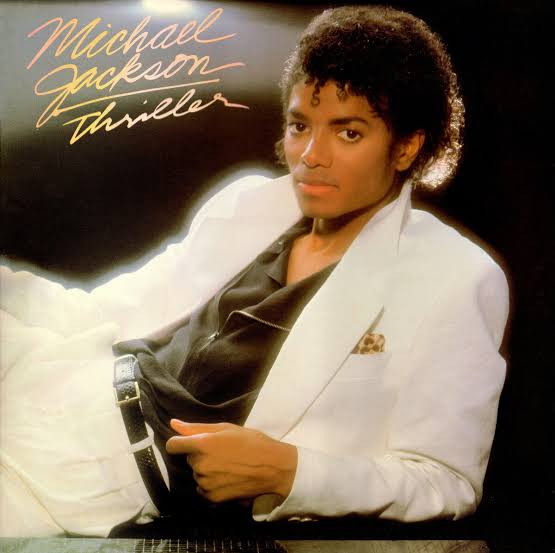
Still, the movie succeeds at one important thing
It reminds people why Michael Jackson mattered in the first place. After the movie ends, people immediately start searching him again.
They rewatch “Billie Jean.” They pull up moonwalk compilations. They revisit “Smooth Criminal.” They listen to “Man in the Mirror” all over again.
And somewhere in the middle of all that, the realization hits:
“Oh right… this man completely changed pop culture.”
Modern idol performances. Music video storytelling. Arena tours. Fan culture. Performance-focused pop music.
A huge part of today’s entertainment industry still exists in the world Michael Jackson created. And oddly enough, that may be the film’s greatest achievement. Not explaining Michael Jackson. But reminding people why nobody has truly replaced him.
So… is the movie worth watching?
Honestly? It depends on what you expect.
If you want a deep, brutally honest biopic, you may leave frustrated. But if you want to experience Michael Jackson’s music in a theater, surrounded by giant speakers and a crowd reacting to those songs again……it absolutely works.
Especially during “Billie Jean.” The moment that bassline starts, your body reacts before your brain does. And maybe that’s the entire point.
Because in the end, people often remember rhythm before story. And maybe that’s exactly why Michael Jackson still feels impossible to forget.