art-culture
Why did beardman hide behind his beard?
Why did beardman hide behind his beard?

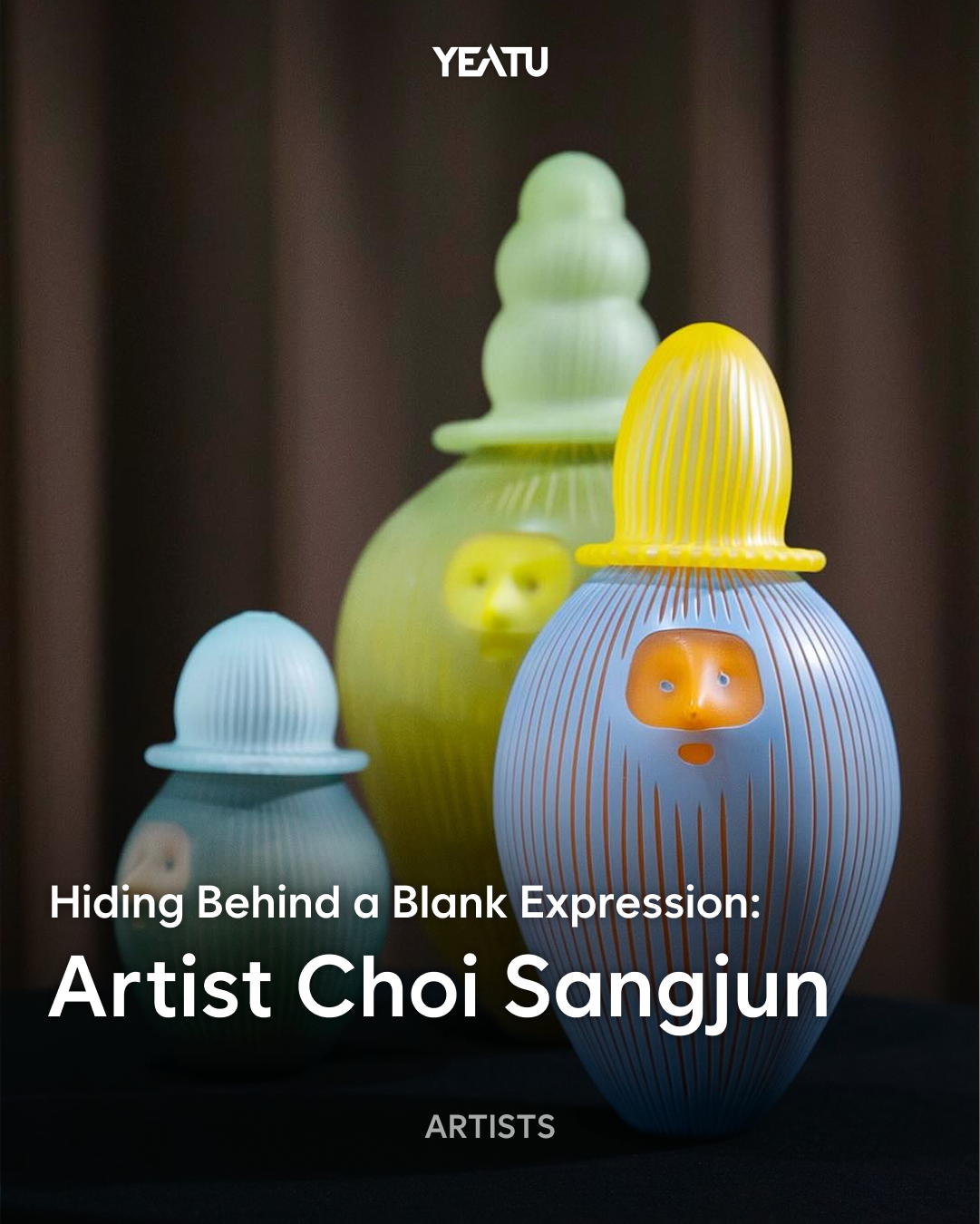
Why did beardman hide behind his beard?: A journey into the inner world of glass artist Choi Sangjun
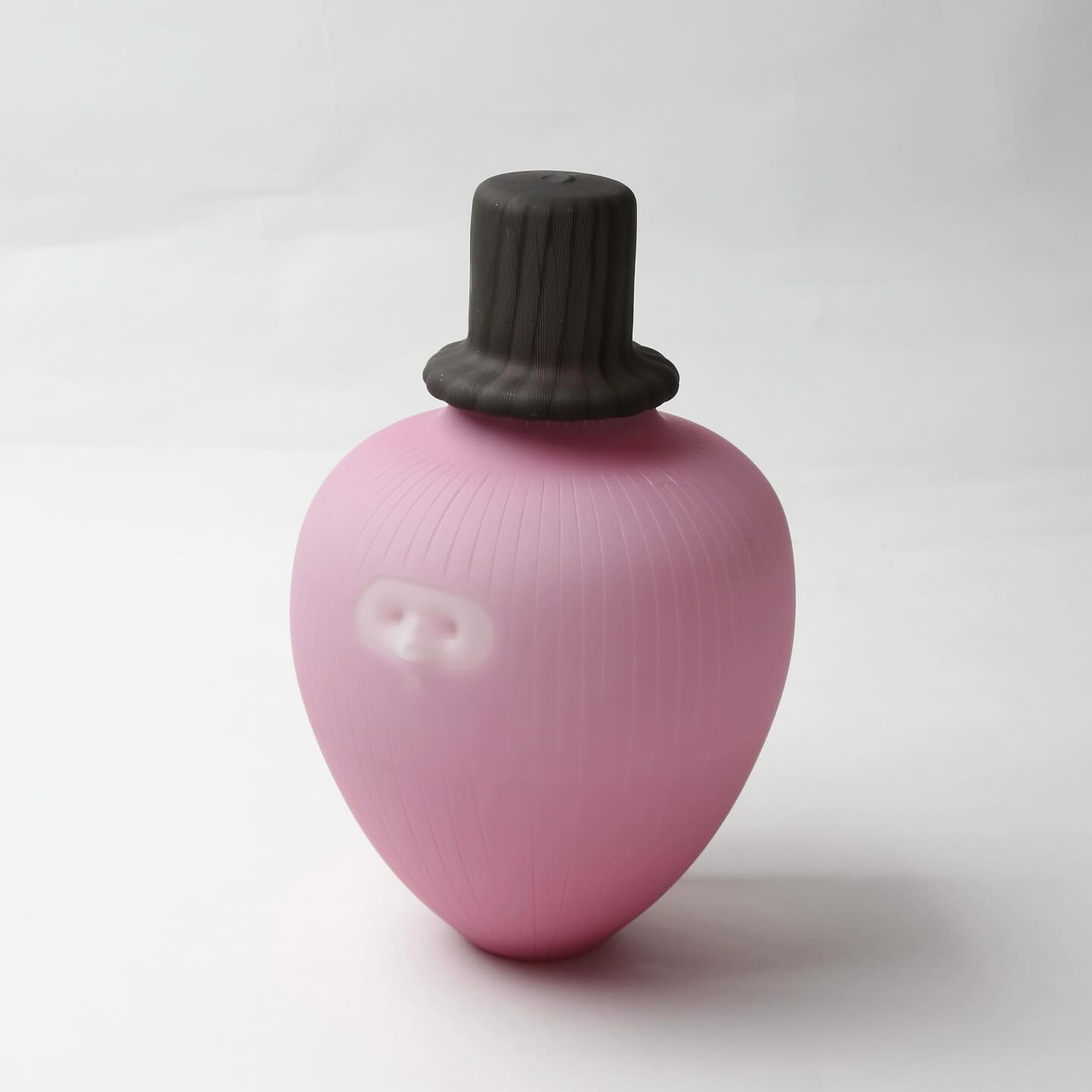
At first glance, beardman might look like a simple, quirky figure—expressionless, bearded, wearing a hat.
But behind that playful form lies a quiet yet powerful question, whispered through the glass:
“What’s the shield you hide behind?”
The quiet truth behind a loud world
Growing up, Choi Sangjun was the quiet type. He found comfort in solitude, kept his thoughts tucked deep inside, and rarely voiced his emotions. But the world doesn’t always embrace the quiet.
"As I got older," he says, "I realized I had to act extroverted—even if it wasn’t who I really was." The tension between who he is and who he had to be slowly took shape—until one day, it found form in a character named beardman.
A fragile defense, born from fire
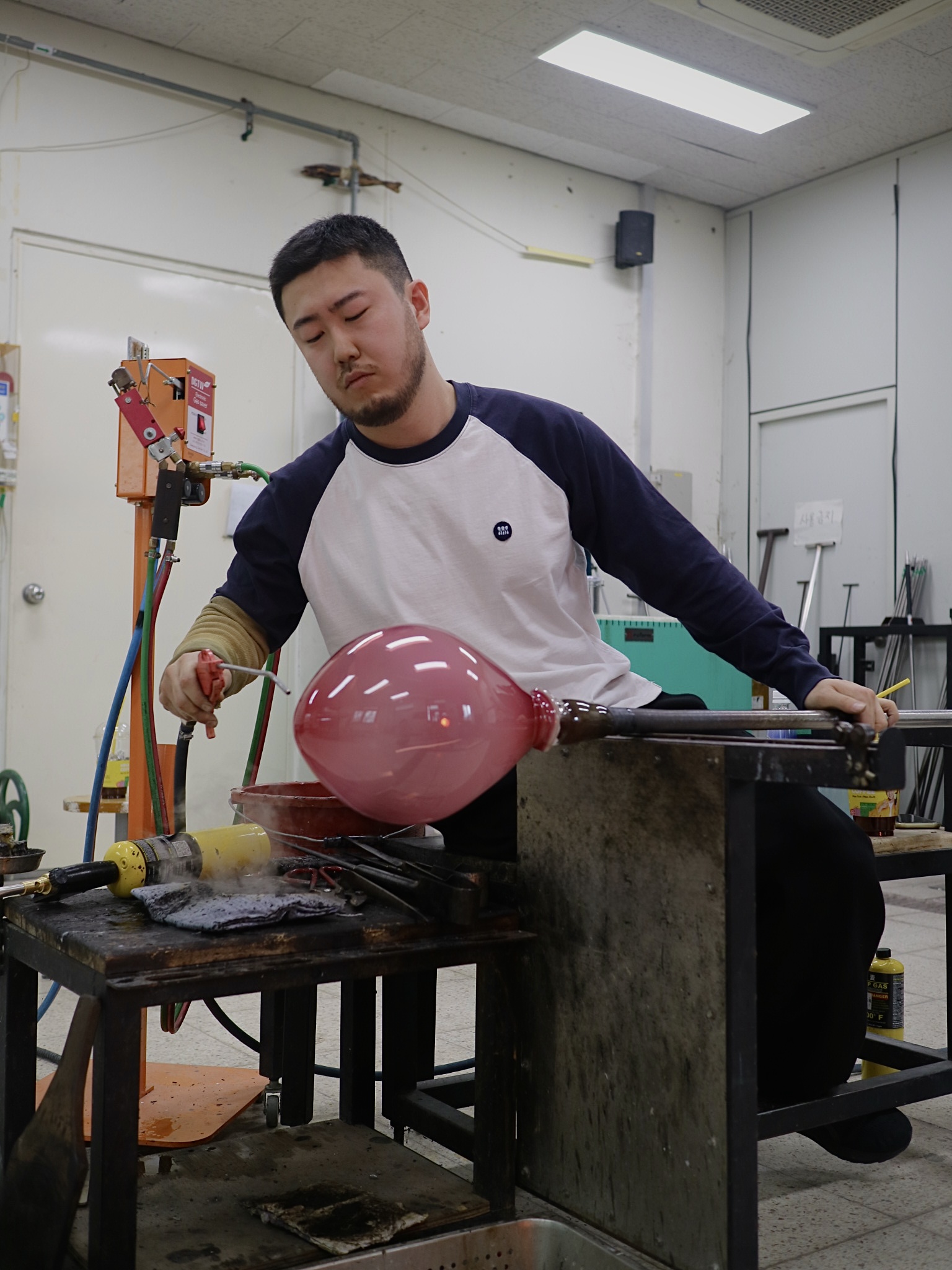
It started in college, the first time Choi saw molten glass being shaped. The split-second transformation—the sheer heat, the motion, the fragility—captivated him. He fell in love with glass.
But even in this collaborative art form, he chose solitude. He trained endlessly, teaching himself to work alone. The more he practiced, the more glass became a language for his inner thoughts—a way to explore stillness, anxiety, and desire.
And from that solitude, beardman was born.
beardman is me
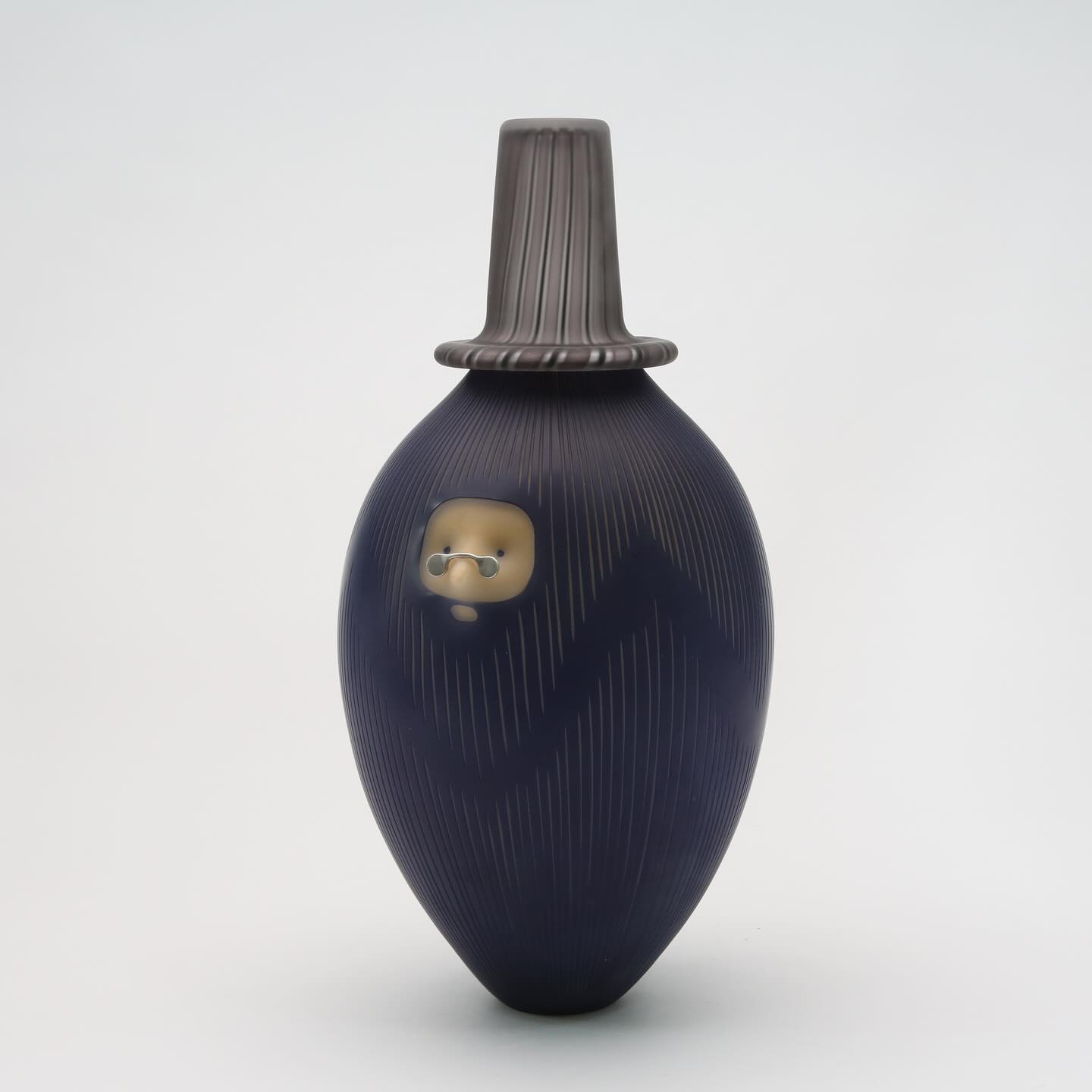
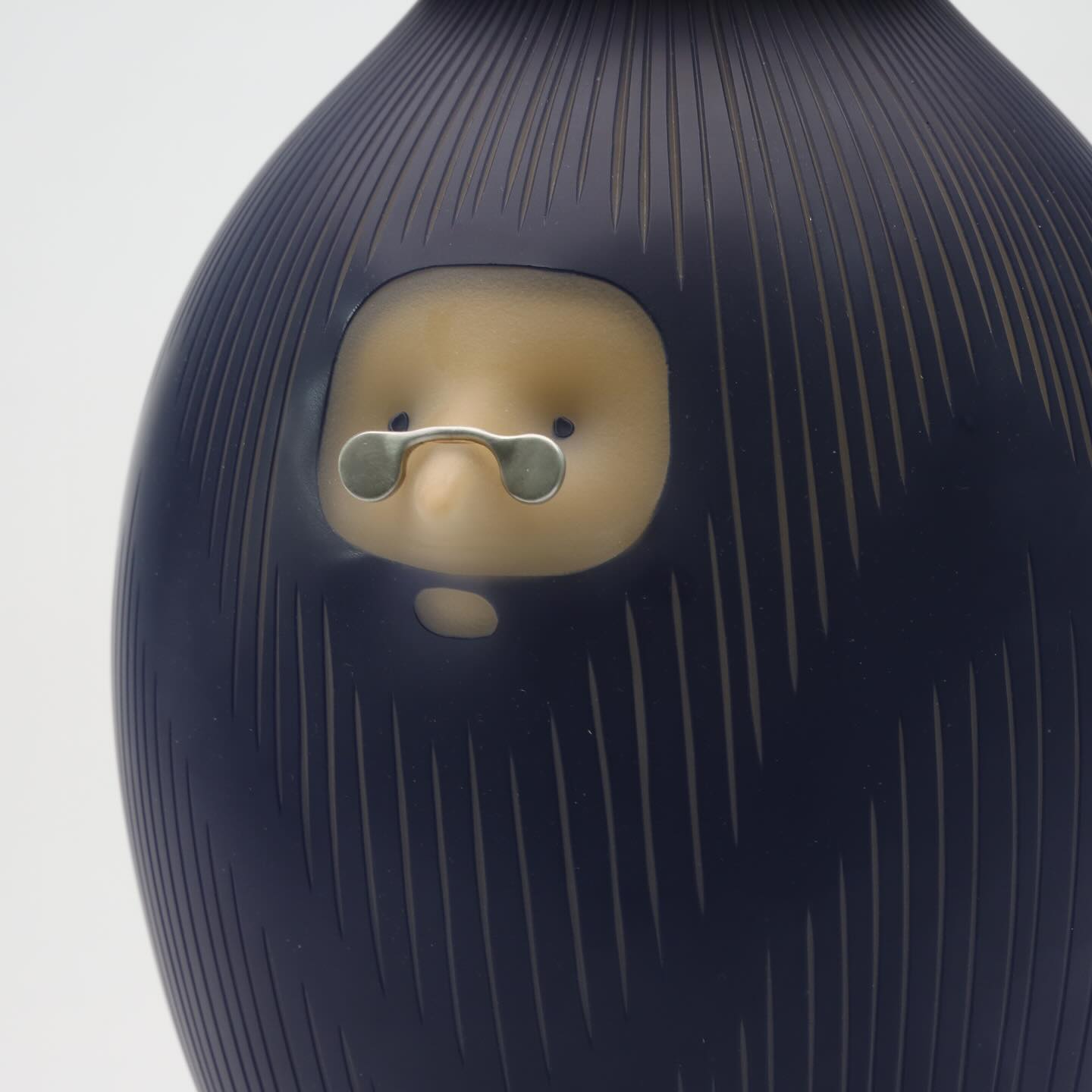
Beard. Blank face. Hat pulled low. Each part of beardman is a piece of Choi himself.
"The beard hides me, but it’s also a part of me. The blank expression is my way of protecting my emotions. The hat? It’s the door to my private world."
beardman is the version of him that wants to hide—yet longs to be understood.
Sound familiar? Maybe it’s you, too.
Between boundaries and compromise
“I focus on the tension between boundaries and compromise,” Choi explains.
We all draw lines to protect ourselves. But deep down, we also want to be seen, to connect. Somewhere between defense and openness is a fragile space—beardman lives there. So does Choi’s story.
The tool that sculpts emotion
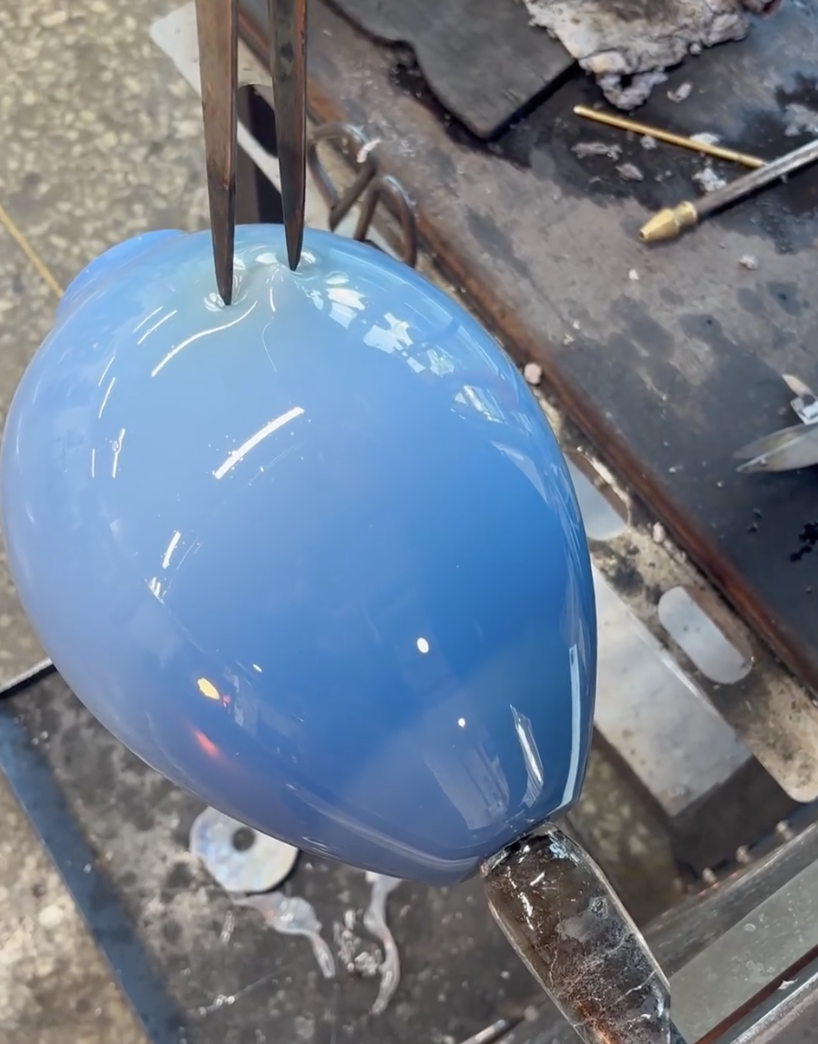
Choi’s most trusted tool is a jack—used to shape the molten glass, especially the face of beardman. But he doesn’t just sculpt features. He sculpts feelings.
Each curve, each line holds meaning. “Why this face? Why this form?” he constantly asks himself. If he can’t answer that, it’s not finished.
Beyond glass: expanding the emotional language
Today, Choi is venturing beyond glass, combining it with metal, exploring new textures and expressions. His medium may change, but his goal remains the same:
To touch something inside you.
What if you are beardman?
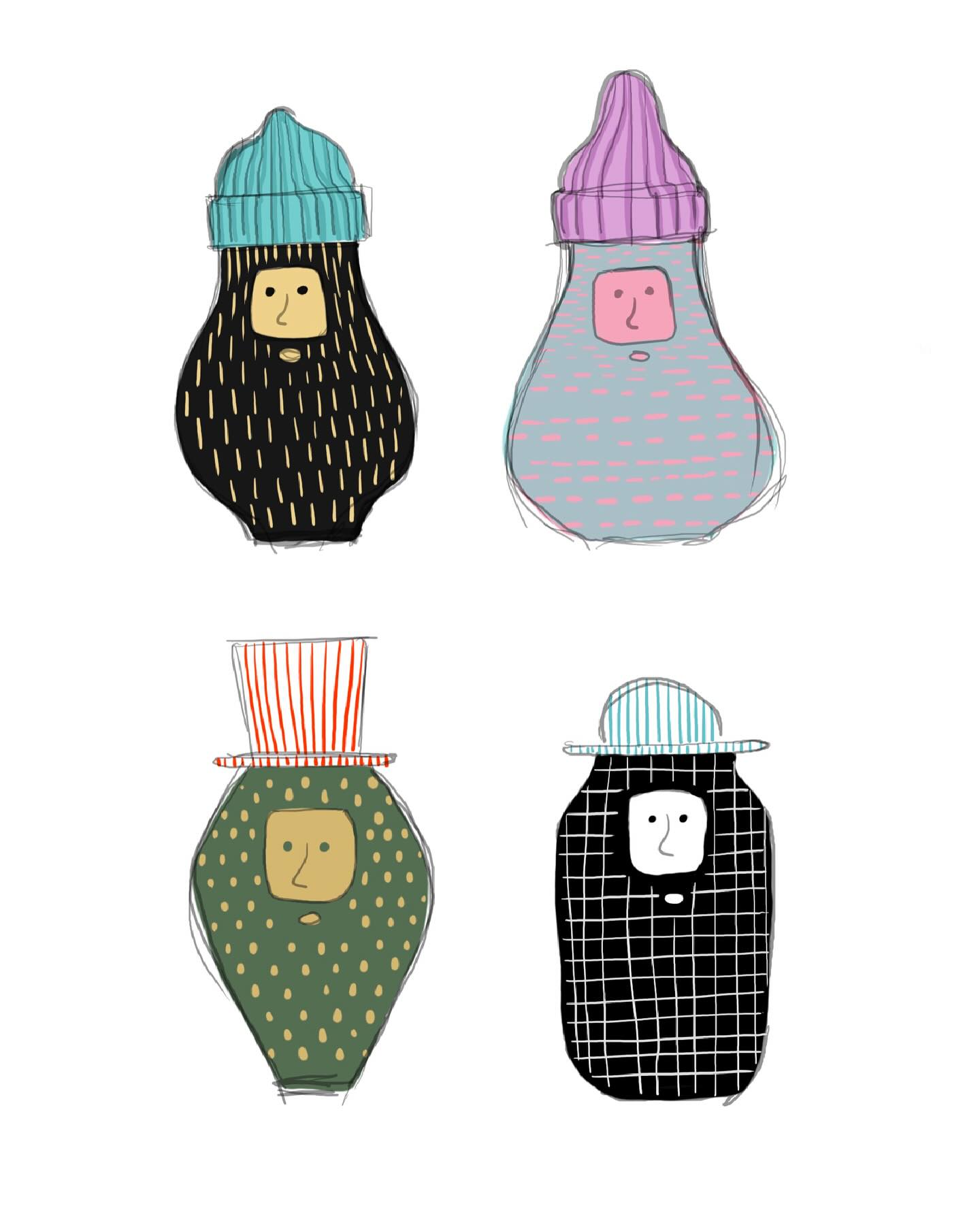
Choi’s work is, at its core, a question.
What’s your shield?
And what are you hiding behind it?
That blank expression, the beard that masks, the secret door into your own world—
Maybe beardman is you, too.
YEATU: A space for connection
Through YEATU, beardman steps out into the world. Choi’s quiet introspection finds resonance in our own hidden feelings. So—when faced with his silent question, how would you answer?