art-culture
The Quiet Lesson Behind All the Beauty in the World: The Metropolitan Museum of Art and Me
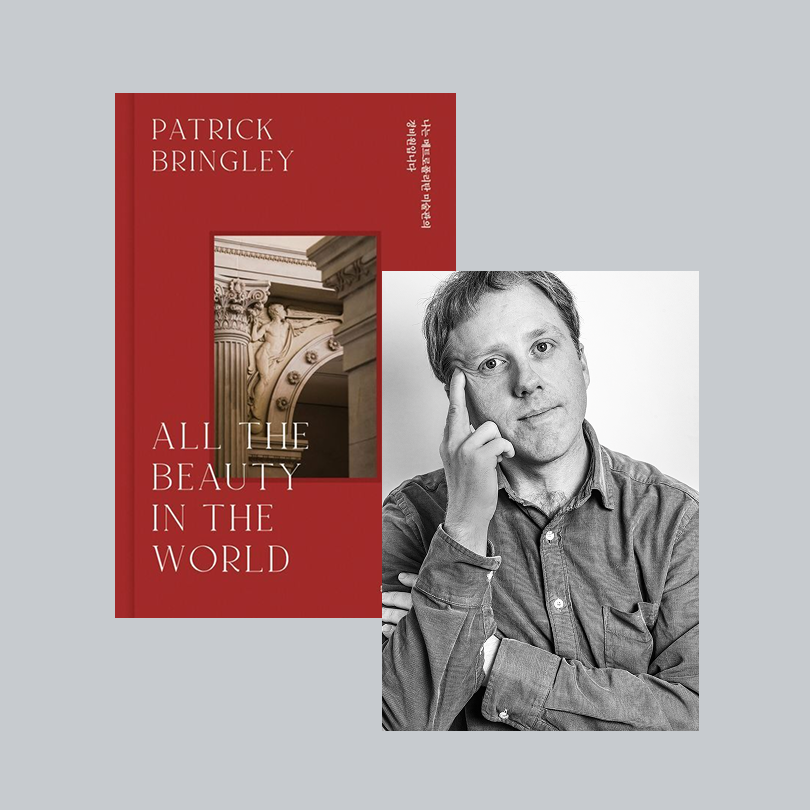

Why Did a Former New Yorker Employee Choose to Stand Still Inside a Museum for 10 Years?
The Quiet Lesson Behind All the Beauty in the World: The Metropolitan Museum of Art and Me
In the middle of New York City, everyone is moving. Someone is rushing to their next meeting. Someone is chasing a promotion. Someone is trying to become more successful, more recognized, more “something.” The city almost feels like it has one rule: Keep going.
So what happens when someone decides to stop? Patrick Bringley did exactly that.
After working at The New Yorker, a place many writers and creatives dream of reaching, his life seemed to be moving in the “right” direction.
Until everything changed.
After losing his older brother to cancer, the future he had been chasing suddenly lost its meaning. Instead of climbing higher, moving faster, and pretending everything was fine, he made a choice that surprised everyone.
He became a security guard at The Metropolitan Museum of Art. At first glance, All the Beauty in the World may sound like a book about working inside a famous museum.
But it is something much deeper.
It is a story about a man who entered one of the world’s greatest museums not to protect art, but to quietly rebuild himself beside it.
Was the Blue Uniform an Escape, or a Beginning?
A museum guard’s job seems simple.
Stand. Watch. Protect. Repeat.
But for Bringley, wearing the blue uniform of The Met meant something different. It gave him permission to pause.
A place where he did not need to explain his grief. A place where he did not need to constantly prove his value. A place where simply being present was enough.
While the rest of New York continued running, he stood still. In front of Rembrandt. Beside ancient sculptures. Next to objects created by people who lived hundreds, sometimes thousands, of years before him.
Most of us visit museums. We spend a few minutes with a painting, read the description, take a photo, and move on. Bringley did not move on.
He stayed. For hours. For years. And slowly, the artworks that he was supposed to protect began protecting him.
Museums Have a Different Sense of Time
The modern world is obsessed with speed. Faster results. Faster success. Faster growth.
Somewhere along the way, humans collectively decided that life needed to become a never-ending productivity contest. A very impressive achievement. Also slightly questionable.
But museums operate differently. A painting from 400 years ago waits patiently for someone who needs it today. A sculpture created by a person long gone can still create emotion in someone standing in front of it centuries later.
Art refuses to follow our timeline. That is what Bringley slowly discovers.
Art is not something you simply understand. It is something you spend time with. The value of an artwork cannot always be explained by a label on a wall or a number at an auction. Because behind every piece exists something harder to measure: Time. Memory. Human experience. A story.
The Guard Watches the Art. But the Art Watches Us Too.
A security guard observes people. Visitors walking too close. Children getting excited. Someone quietly crying in front of a painting. Someone standing still because, for some unknown reason, a piece of art reached something inside them.
Museums appear silent from the outside. But inside, they are full of human moments. People reveal themselves in front of art. Sometimes, a painting understands a feeling before we know how to explain it ourselves.
For Bringley, art did not magically fix his grief. It did something quieter. It gave him space. Space to stand. Space to feel. Space to slowly return to life.
Before Art Becomes an Asset, It Is a Relationship
This is where the story connects with the way YEATU views the future of art. When people hear the words “art” and “finance” together, they often think about numbers first.
Prices. Market value. Investment returns. And yes, those things matter.
Artists cannot continue creating with passion alone. Inspiration is wonderful, but unfortunately, paint, studios, equipment, and time still cost money. Reality has always been annoyingly practical. But if we only measure art through numbers, we miss the reason art became valuable in the first place.
Patrick Bringley’s years inside The Met remind us that the true power of art begins with connection. The ability to stop someone for a moment. The ability to carry a story across generations. The ability to connect a creator with someone they may never meet.
YEATU believes the future of art finance should begin from that same idea. Not turning art into just another investment product. But creating a system where artistic value, cultural meaning, and financial opportunity can grow together.
Through VALQ, YEATU’s AI-powered valuation system, we explore new ways to understand the potential behind creative works.
Through EVERSEAL, our blockchain-based authentication system, we help protect transparency and trust in the cultural asset ecosystem.
Because technology should not replace the emotional value of art. It should help preserve it.
A Museum Is Not Just Filled With Art. It Is Filled With People.
One of the most beautiful parts of Bringley’s story is that The Met is not only about masterpieces. It is also about the people around them.
The guards. The visitors. The artists. The strangers who all arrive carrying different stories. Some dream of becoming writers. Some are starting over. Some are searching for something they cannot quite name yet.
They all meet in one place because of art. This idea is also at the heart of EVERLYNQ. Because sometimes the biggest challenge for creators is not a lack of talent.
It is a lack of connection. An artist who never meets the right opportunity. A project that never finds the right partner. A powerful idea that disappears before the world gets to see it.
EVERLYNQ exists to close that gap. A global creative network connecting artists, companies, institutions, and opportunities. Just as museums connect the past with the present, EVERLYNQ connects creativity with possibility.
Maybe Everyone Needs Their Own Museum
Although this book is about a museum guard, it is really about all of us. Everyone loses something eventually. A person. A dream. A direction. A version of themselves they thought they would always be.
And when that happens, the world usually tells us to recover quickly.
Move on. Get back to normal. Continue.
Apparently, even sadness is expected to follow a schedule now. But Patrick Bringley shows another way. He did not rush himself back into life.
He simply stood still. He spent time with art. He allowed himself to slowly become whole again.
Art did not give him all the answers. But it stayed beside him while he searched for them. And sometimes, that is exactly what art is meant to do.
“Art stops us — and in that stillness, teaches us how to live again.” — Patrick Bringley

Where Art Becomes Finance. Where Creativity Finds Opportunity.
All the Beauty in the World reminds us that art is never just an object.
It is a record of human experience. A bridge between people. A connection between what was created and what is still possible. At YEATU and EVERLYNQ, we believe the future of art begins from that connection.
When appreciation becomes support. When support becomes opportunity. When opportunity allows more creativity to exist. That is how art continues moving forward.
YEATU
Where Art Becomes Finance
EVERLYNQ
Where Art Meets Opportunity